Kung Pao Chicken with Peanuts & Peppers
E
By Emma
Certified Culinary Professional
•
Recipe tested & approved
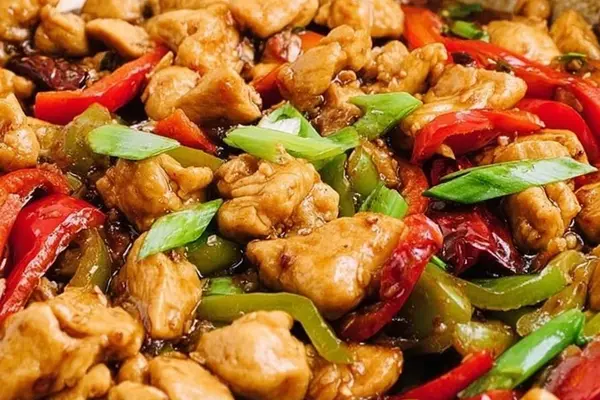
Kung pao chicken recipe featuring tender chicken thighs, bell peppers, and roasted peanuts in a savory sauce made with soy sauce, sesame oil, and rice vinegar.
Prep:
45 min
Cook:
18 min
Total:
63 min
Servings:
6 servings
Chicken hits the pan. Oil’s already shimmering. Forty-five minutes of prep behind you, and now eighteen minutes to nail it. Kung Pao chicken — the kind that tastes like you actually know what you’re doing, even if this is your first time making it.
Why You’ll Love This Kung Pao Chicken
One pot. Everything happens in the same pan. Spicy but not the kind that just burns your mouth — there’s heat with complexity because of the Sichuan peppers, and the sugar keeps it from being purely angry. Crispy chicken. Soft peppers. Both textures at the same time, which shouldn’t work but it does. Takes less than an hour total if you’re moving. Nineteen minutes of actual cooking. Leftovers taste better the next day. The flavors kind of marry overnight.
What You Need for Kung Pao Chicken
Chicken thighs. Not breasts. Thighs stay juicy even when you mess up the timing. Cut them into chunks about the size of your thumb — one and a quarter pounds total.
Cornstarch does the work here. Makes the chicken seal and get this specific kind of crunchy-tender texture. Two tablespoons split between the marinade and sauce.
Soy sauce. Four tablespoons across the whole thing. Not all at once.
Sesame oil. The toasted kind. Two tablespoons total, maybe a bit more for cooking. This is where the dish tastes like itself.
Sherry — the dry kind you’d actually drink. A tablespoon and a half.
Hoisin sauce. One tablespoon. The sweet part. Don’t skip it thinking you’ll add more sugar later.
Rice vinegar. Tablespoon. Cuts through everything.
Ginger and garlic — paste form works. Teaspoon each. Fresh if you can, but paste is fine.
Chili flakes. Two teaspoons. Unless you actually have Sichuan peppers, then use those instead. The numbing thing is real. Worth finding.
Sugar. Two teaspoons. Just enough to balance the heat and salt.
Bell peppers. Two of them. Any color. Cut them chunky — one-inch pieces. Seed them first, pull out the white stuff inside because that’s where the bitterness lives.
Green onions. Three. Sliced to one-inch lengths.
Peanuts. Half a cup. Unsalted roasted. Add them at the very end or they burn and taste like charcoal.
Salt. As needed. Probably a pinch at the finish.
Water. A tablespoon and a half total — mostly for the cornstarch slurries.
How to Make Kung Pao Chicken
Pat the chicken completely dry. This matters more than it sounds. Wet chicken steams instead of browns. Towel it down.
Make your marinade. Whisk together one tablespoon of the sherry, two tablespoons of the soy sauce, and one tablespoon of the sesame oil. Separately, mix one tablespoon of cornstarch with one tablespoon of water until there are no lumps — it should pour smooth, not gritty. Stir this slurry into the soy mixture. Toss the chicken in it. Make sure every piece gets coated. Cover it and let it sit in the fridge. Twenty-five to thirty-five minutes. The cornstarch is sealing moisture into the meat. This is why it works.
While the chicken’s in there, make your sauce. Combine the remaining half tablespoon of sherry, two tablespoons of soy sauce, one tablespoon of hoisin, two teaspoons of sugar, one tablespoon of sesame oil, one tablespoon of rice vinegar, the ginger paste, the garlic paste, and those chili flakes or Sichuan peppers. Make another cornstarch slurry — one tablespoon cornstarch mixed with half a tablespoon of water. Stir it into the sauce until smooth. No lumps. Set it aside.
Prep your peppers and green onions. Seed the bell peppers. Cut them into chunks. Slice the green onions. You’re not cooking yet, just getting everything in arm’s reach.
How to Get Kung Pao Chicken Crispy and Perfect
Heat your pan really hot. Like, hotter than you think. Add one to two tablespoons of sesame oil. When it shimmers and you smell that toasted sesame smell — that’s when you go.
Pull the chicken from the marinade. Don’t pour it in. Shake off the excess. Lay it in the pan in a single layer. Don’t crowd it. Crowded chicken steams. You want brown. Let it sit. Six to seven minutes. Stop moving it around. Listen for the sizzle — it should sound aggressive and crispy, not soft and wet. When the bottom has a golden crust and you can see the edges turning opaque white, flip it. Another minute or two on the other side. It should look mostly cooked through by now.
Pull the chicken out onto a plate.
Add another tablespoon of sesame oil to the same pan. If it starts smoking black, turn the heat down slightly. Add the bell peppers. Stir fry them for one minute — sixty seconds. You want them to get those little brown spots where they kiss the pan, not turn into mush. Green onions go in now if you like them softer. If you want them raw and crisp, hold them for later.
Pour your sauce over the peppers. Scrape the bottom of the pan with your spoon — all that brown stuck stuff is flavor. It dissolves into the sauce. Let it bubble. Two to three minutes. Watch the color. It should go glossy and thick. If it clumps instead, splash in a little water and stir.
Return the chicken to the pan. Add the peanuts. Fold everything together gently. You’re just warming it through. Listen for the hiss. When you see steam, it’s done. Maybe ten seconds more. Don’t hang around. Overcooking kills the texture now.
Kung Pao Chicken Tips and Common Mistakes
The marinade time matters. Twenty-five minutes minimum. I know it seems long. The cornstarch needs that time to actually seal the chicken.
Pat your chicken dry before the marinade or the whole slurry thing won’t stick. Wet meat rejects coatings.
When you’re cooking the chicken, don’t flip it early. The brown crust is doing something. It’s not just brown — it’s sealing. Let it happen. Six to seven minutes means six to seven minutes.
The pan gets hot. Really hot. The oil should shimmer almost immediately. If it’s just sitting there, turn up the heat.
Sichuan peppers are different from regular chili flakes. If you have them, use them. The numbing sensation is what makes kung pao kung pao. Regular peppers work, but it’s a different dish.
The peanuts add at the very end. Peanuts in hot sauce for too long taste burnt. Thirty seconds, maybe a minute. That’s enough.
Don’t add all the sauce at once if your pan isn’t at medium heat yet. Hot sauce hitting cool pan separates and breaks. Sauce goes in when the pan is still hot.
If your sauce looks too thin, you either didn’t reduce it long enough or you added too much water. Let it keep bubbling. It thickens.
Taste it before you serve. Add a pinch of salt if it needs it. Sometimes it does. Sometimes it doesn’t.
Kung Pao Chicken with Peanuts & Peppers
Prep:
45 min
Cook:
18 min
Total:
63 min
Servings:
6 servings
Ingredients
- 1 ¼ pounds boneless skinless chicken thighs cut into 1-inch chunks
- 1 ½ tablespoons dry sherry divided
- 4 tablespoons soy sauce divided
- 2 tablespoons sesame oil divided
- 2 tablespoons cornstarch divided
- 1 ½ tablespoons water divided
- 1 tablespoon hoisin sauce
- 2 teaspoons chili flakes replaced dried Sichuan peppers
- 2 teaspoons sugar
- 1 tablespoon rice vinegar
- 1 teaspoon fresh ginger paste
- 1 teaspoon garlic paste
- 2 bell peppers any color, seeded and cut into 1-inch chunks
- 3 green onions white and green parts sliced 1 inch
- ½ cup unsalted roasted peanuts
- Salt as needed
Method
- Marinade
- 1 Dust chicken chunks dry thoroughly to avoid steaming in pan. Whisk together 1 tablespoon dry sherry, 2 tablespoons soy sauce, 1 tablespoon sesame oil, then make cornstarch slurry with 1 tablespoon cornstarch and an equal amount water; mix slurry into marinade until silky smooth. Toss chicken in slurry marinade, coating evenly. Cover and chill 25 to 35 minutes. Rest here lets cornstarch seal moisture.
- Sauce
- 2 Combine remaining ½ tablespoon dry sherry, 2 tablespoons soy sauce, hoisin sauce, sugar, 1 tablespoon sesame oil, rice vinegar, ginger and garlic pastes, chili flakes, and remaining cornstarch slurry made from 1 tablespoon cornstarch plus ½ tablespoon water until smooth. No lumps, no grit.
- Veg Prep
- 3 Slice off bell pepper stems and hollow out seeds; discard white membranes, bitter. Chop peppers chunky. Trim green onions to 1-inch lengths. Reserve.
- Cook Chicken
- 4 Drain chicken from marinade, shake off excess liquid—don’t pour it in. Pan on really high heat, 1 to 2 tablespoons sesame oil. When oil ripples and smells toasted, slip in chicken in single layer. Let pieces brown; no crowding or steaming. When sizzling soft crackle and golden crust appear, flip. About 6 to 7 minutes should do. Look for opaque white insides. Pull chicken out, rest on plate.
- Make Sauce & Vegs
- 5 Add 1 tablespoon more sesame oil to same pan; red flags if oil smokes black, reduce heat slightly. Toss in bell peppers, stir fry 60 seconds; you want petal-like spots forming, not soggy. Add green onions here if you like a milder soft crunch. Pour sauce over vegetables. Scrape brown bits off pan bottom to deglaze—flavors trapped here. Cook sauce about 2 to 3 minutes, bubbling thick and glossy. Watch the shine; if sauce clumps, lower heat or thin with splash water.
- Finish & Serve
- 6 Return chicken and peanuts to pan, fold in carefully. Warm through until you hear the slight hiss and see steam rising. Do not overcook—peanuts burn, chicken toughens, peppers go limp. Taste for salt, add pinch if necessary. Serve instantly. Rice or noodles ready now.
- 7 End. No waiting. Eat hot or you lose texture.
Nutritional information
Calories
305
Protein
22g
Carbs
19g
Fat
16g
Frequently Asked Questions About Kung Pao Chicken
Can I use chicken breast instead of thighs? You can. Won’t be the same. Breasts dry out faster. You’d need to watch the timer closer and pull them out earlier. Thighs forgive you a bit more.
How spicy is this actually? Two teaspoons of chili flakes is moderate-hot. If you hate spicy, drop it to one teaspoon. If you want it brutal, go to three. The sugar keeps it from just being pure fire though.
What if I don’t have cornstarch? The dish falls apart without it. Cornstarch is doing the searing work. You could try arrowroot powder instead. Same job. But don’t skip it entirely.
Can I make this ahead? You can marinate the chicken up to two hours. Don’t cook it until you’re eating. Cooked kung pao chicken doesn’t hold heat well. The texture goes from crispy-tender to just soft.
What if my sauce breaks and gets lumpy? Lower the heat and whisk in a splash of water. Stir it constantly for a minute. Should come back together. Doesn’t always, but usually does.
Can I substitute the peanuts? Cashews work. So do almonds. Same amount. Not the same dish, but not bad. Peanuts have that specific flavor that belongs here though.
Is this one pot actually? You use one pan and one small bowl for the sauce. Everything else goes in the pan. So yeah. One pot.
How long does this keep in the fridge? Three days in a sealed container. Reheat it on the stove with a splash of water so it doesn’t dry out.
You’ll Love These Too
Explore all →
BBQ Chicken Quesadillas with Pineapple
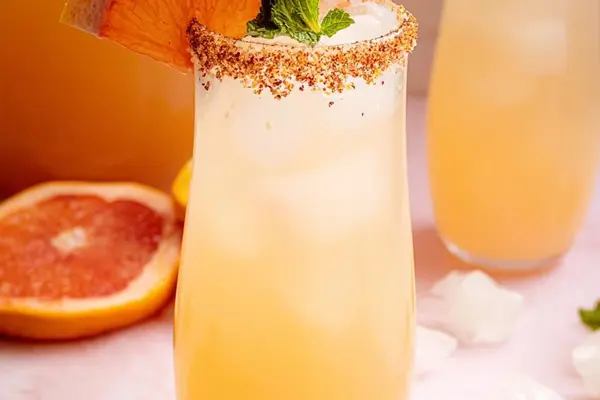
Pitcher Paloma Remix with Yuzu & Grapefruit
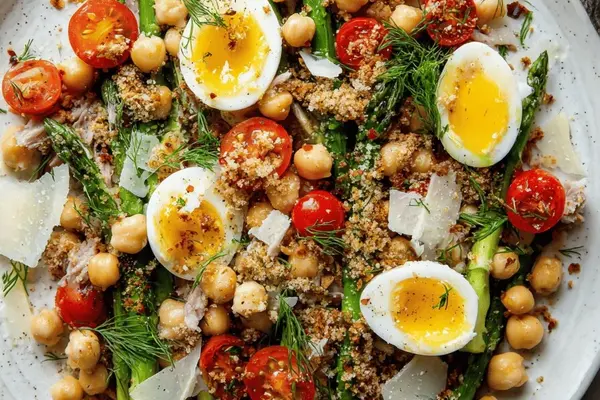
Crunchy Asparagus Tuna Salad with Eggs
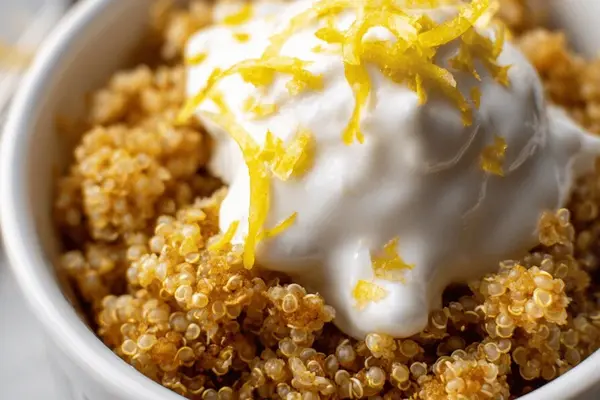
Dairy-Free Corn Crumble with Lemon Zest
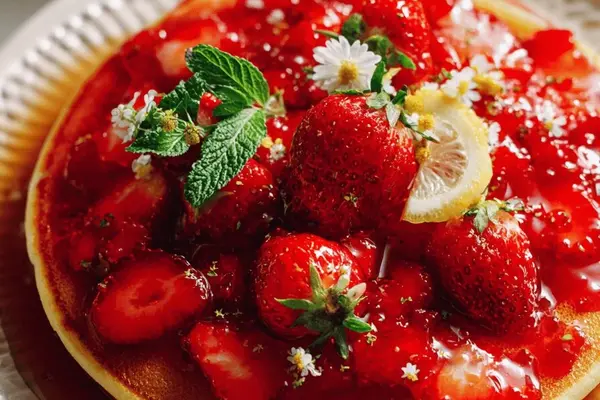
Homemade Strawberry Syrup with Honey
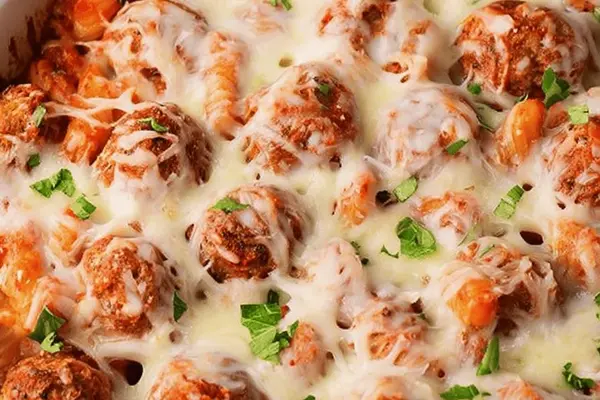
Baked Meatball Penne Casserole with Mozzarella
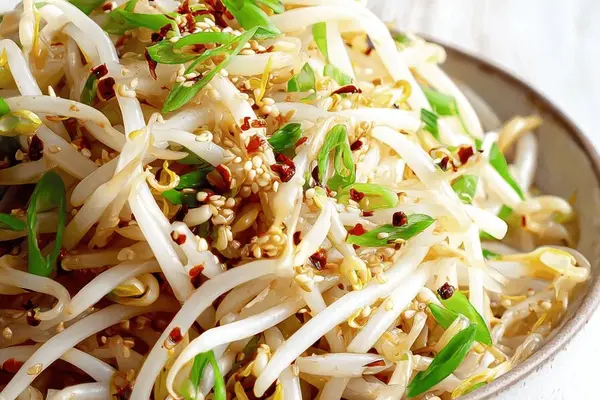
Asian Side Dishes: Marinated Bean Sprouts
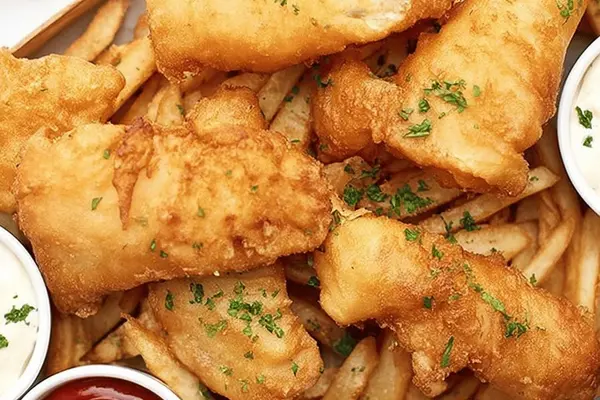
Crispy Beer Battered Cod with Pale Ale
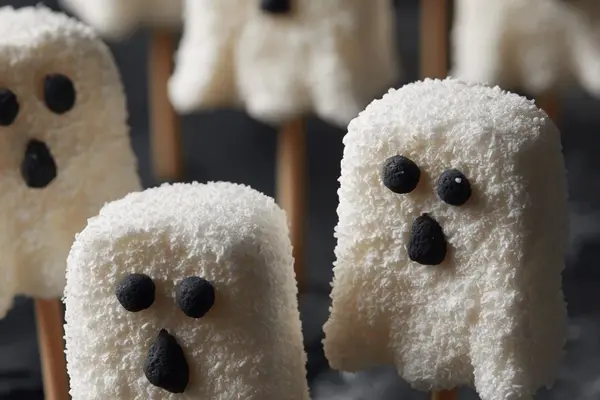
Popcorn Marshmallows | Homemade Ghost Pops
Easy Making Fudge with Chocolate Chips
Instant Pot Mac and Cheese with Smoked Paprika
Grilled Zucchini with Peppers and Eggplant
Maple Rosemary Twist Cocktail Recipe
Slow-Baked White Beans with Soft-Boiled Eggs
Instant Pot Chicken Burrito Bowl Recipe
Grilled Asparagus Silken Tofu Salad
Roasted Sweet Potatoes with Smoked Gouda
Grilled Tilapia with Pineapple Salsa
Butternut Squash Fritters with Couscous