
Corned Beef and Cabbage Soup Recipe
By Emma
Certified Culinary Professional
·
Recipe tested & approved
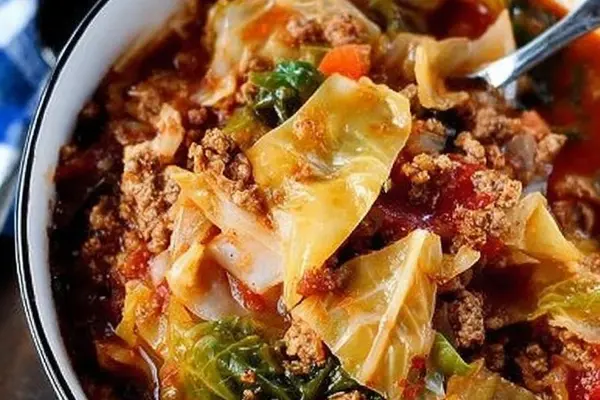
Corned beef and cabbage soup with ground beef, pearl barley, and fresh tomatoes. This hearty soup simmers in beef broth for rich, rustic comfort in under 35 minutes.
Prep:
20 min
Cook:
40 min
Total:
60 min
Servings:
8 servings
Sizzle in the pot, beef browns first—onion goes in next. Forty-five minutes and you’ve got a bowl that’s warm, thick, and tastes like someone cared. This isn’t fancy. This is the kind of soup that fills you up on a Wednesday night when the kitchen’s cold and you need something fast.
Why You’ll Love This Corned Beef and Cabbage Soup
One pot. That’s it. Brown the beef, dump everything else in, walk away for half an hour.
Works great cold the next day. Maybe better. Flavors settle overnight somehow.
The barley actually holds its shape. Rice turns into mush in beef broth. Tried it once. Never again.
Comfort food that doesn’t feel heavy. Beef and cabbage together, but broth keeps it light enough you won’t hate yourself after.
Fills the whole kitchen with smell. The good kind.
What You Need for Corned Beef and Cabbage Soup
A pound of lean ground beef. Not fancy. Ground works better than chunks here because it breaks up and distributes through the broth instead of sitting in clumps.
One medium yellow onion, chopped up. Size doesn’t have to be perfect. Rough chunks are fine.
Four cloves of garlic, minced. Small. Burn it and the whole soup tastes bitter. Not worth it.
A 28-ounce can of diced tomatoes. With juice still in there. Don’t drain it. That liquid matters.
Three cups of vegetable juice. Tomato juice works too. They’re basically the same thing here.
Four cups of beef broth. Use stock if you’ve got it. Store-bought is fine.
Pearl barley. One cup. Holds up in broth. Rice falls apart.
A small head of green cabbage, chopped rough. Bigger pieces. They shrink down anyway.
Salt and pepper. You’ll need both. Taste as you go.
Olive oil if you want to brown onions separate. I don’t. Skip it.
How to Make Corned Beef and Cabbage Soup
Heat a big pot—stock pot size—over medium-high. No oil needed. Throw the ground beef in dry. It’s got enough fat. Listen for the sizzle. That means the heat’s right. Stir it around. Watch for the color to shift from pink to brown. Takes maybe four minutes. Once it’s mostly brown, add the chopped onion. Keep stirring. The onion softens while the beef finishes cooking. The whole thing should look like cooked meat mixed with soft onion pieces, not separated. After maybe five more minutes, everything’s the right color and texture.
Drain the fat. Tilt the pot, use a spoon, get most of it out. Some people skip this. Then the soup gets greasy on top. Your call.
Back to medium heat now. Add the minced garlic. Stir it constantly. This is where people mess up. Garlic burns fast and turns bitter. You want maybe a minute of stirring—just long enough to smell it getting fragrant, not burnt. That’s the signal. One minute max.
Pour in the diced tomatoes straight from the can. Don’t drain them. Then the vegetable juice. Then the broth. Stir it all together. Bring it to a hard boil. Takes maybe five minutes.
How to Get the Texture Right in Corned Beef and Cabbage Soup
Once it’s boiling, stir in the pearl barley. Lower the heat way down. Like barely bubbling. Barley takes longer than rice—that’s the point. It keeps structure. Doesn’t turn into paste.
Dump in the chopped cabbage. Stir it into the liquid so it’s all mixed in. Put a lid on. Let it simmer. Don’t touch it for about 20 minutes.
After 20 minutes, check it. The barley should be starting to soften but still have a slight chew to it. The cabbage goes from bright green to kind of translucent. Stir it. If the bottom’s sticking, scrape it up. Lower the heat if it’s boiling too hard. It should barely bubble. The whole thing needs maybe 25 to 30 minutes total from when the barley goes in.
When the barley’s tender and the cabbage is soft but not falling apart, it’s done. Should be thick. If it looks too stew-like and dense, add more juice. It’ll thicken more as it cools.
Taste it. Salt heavily. Pepper too if you want it. I always add more salt than feels right at first. The broth needs it. If it tastes flat, that’s salt. Add it. Taste again. Adjust.
Corned Beef and Cabbage Soup Tips and Mistakes
Don’t rush the browning. Beef needs to actually color. That’s where the flavor comes from. No shortcuts there.
Garlic’s the thing people get wrong. Too early in the pot means it loses its punch. Too late and you’ll taste burnt. You want it right when the onion’s soft, before you add liquid. Thirty seconds of stirring. Then liquid goes in.
Cabbage chunks need to be bigger than you think. Quarter the head, chop from there. Smaller pieces disappear into the broth and you end up with soup with no texture. You want to bite cabbage.
Rice doesn’t work here. I tried. It gets mushy. Barley holds up.
Leftovers get thicker. This is normal. Barley keeps absorbing liquid. If you’re storing it, add more broth when you reheat. Or don’t. Depends how you like it.
Don’t cover it while it’s boiling hard. Steam pressure builds up and the pot boils over. Lid on low heat, yes. Lid on high boil, no.
Corned Beef and Cabbage Soup Recipe
Prep:
20 min
Cook:
40 min
Total:
60 min
Servings:
8 servings
Ingredients
- 1 pound lean ground beef
- 1 medium yellow onion chopped
- 4 cloves garlic minced
- 1 (28-ounce) can diced tomatoes undrained
- 3 cups vegetable juice (sub tomato juice)
- 4 cups beef broth (or homemade stock)
- 1 cup pearl barley (instead of rice)
- 1 small green cabbage coarsely chopped
- Salt and freshly ground black pepper to taste
- 1 tablespoon olive oil (optional to brown onions separately)
Method
- Browning and Base
- 1 Start by heating a stock pot over medium-high. Toss in the ground beef dry; no oil needed if meat has fat. Listen to the sizzle and watch for color shift. When it starts browning, add chopped onion. Keep stirring. Onion softens and sweetness emerges while beef loses pink. Drain all fat otherwise soup gets greasy. Some prefer to brown onions separately in olive oil but I skip it for efficiency and flavor layering here.
- Building Soup
- 2 Return beef and onion to pot; medium heat now. Toss minced garlic, stir constantly—few cooks mess this up by burning it. Garlic fragrance should fill the kitchen within a minute, not turn bitter. Pour in the undrained diced tomatoes straight from the can, vegetable juice, and beef broth. Bring this whole bowl to a hard boil. This blend is soup’s backbone, thick and tangy.
- Grain and Cabbage Addition
- 3 Once boiling, stir in pearl barley instead of rice. Barley takes longer but holds texture better under patience. Lower heat to a bare simmer. Dump in chopped cabbage, stir into the liquid thoroughly. Lid on. Simmer, allowing barley to plump and cabbage to soften. Should take about 25-30 minutes for barley to cook to a subtly chewy yet tender stage, cabbage becoming translucent but not soggy. Stir occasionally to stop barley from sticking to bottom.
- Finishing Touches
- 4 This is moment for salt and black pepper. I toss in large pinch, taste with a spoon. If it feels flat, add more salt; pepper always personal preference but adds critical background bite. If soup feels thick, splash more vegetable or tomato juice. Soup thickens upon resting, so if you want leftovers less stew-like add extra liquid now.
- 5 Taste, adjust, serve hot.
- 6 Traditional rice on first tries warped texture, mushy mess. Swapping barley gives more structure. Garlic’s timing crucial; add too early it loses zing, too late no aroma buildup. Cabbage must be chopped larger chunks to avoid disappearing completely. Don’t rush; texture signals are key here.
Nutritional information
Calories
395
Protein
31g
Carbs
31g
Fat
17g
Frequently Asked Questions About Corned Beef and Cabbage Soup
Can I use a crockpot instead of stovetop? Yeah. Brown the beef and onion on the stove first—that part matters. Then dump everything else in the crockpot on low for about four hours. Barley gets soft. Cabbage gets soft. Works fine that way too.
What if I don’t have vegetable juice? Tomato juice. Or just add more broth and a splash of water. The vegetable juice adds sweetness and tang. Without it, the soup tastes more straightforward. Still good. Might need more salt to balance it.
Do I have to use barley? Rice turns to mush. Oats could work. Lentils change the texture completely but they’d do it. Barley’s the move here because it holds. Don’t bother with rice.
How long does this keep? Five days in the fridge easily. Freezes for months. Thaw overnight, reheat on the stove. Gets thicker after a day or two because barley keeps drinking. Just add broth when you reheat.
Can I make this with diced corned beef instead of ground? Could. Changes the texture. Ground breaks up and spreads through the soup. Chunks sit there. If you want chunks, cube it small so it doesn’t feel chunky. Honestly, ground is better for this recipe.
What if the soup is too thick? Add more broth or tomato juice. Pour it in slowly, stir, taste. It’ll thicken again as it sits. Better to start thin and let it thicken than the other way around.
You’ll Love These Too
Explore all →
Rainbow French Bread Pizza with Fresh Veggies

Pumpkin Parmesan Bites with Smoked Paprika

Lemon Drop Martini with Lemon Vodka

Cinnamon Rolls with Cherry Preserves & Cream Cheese
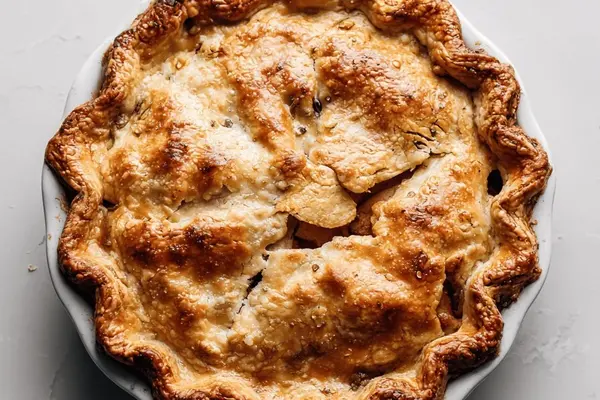
Pie Crust Recipe with Flax Egg and Canola Oil

Homemade Apple Pie with Lattice Crust

Thanksgiving Turkey Breast Roast with Pineapple

Grilled Banana Dessert with Maple Syrup

Maple Cinnamon Brioche Rolls with Butter Glaze
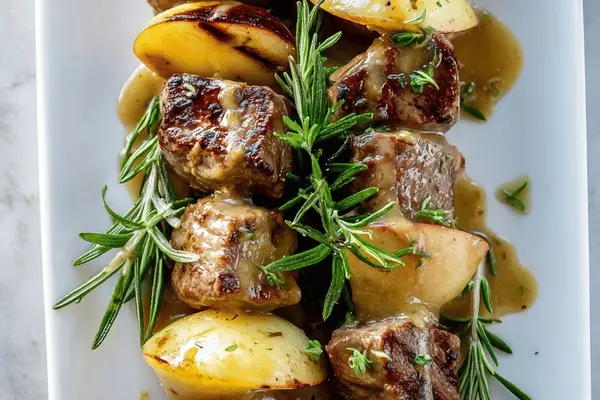
Grilled Lamb Skewers with Honey Mustard
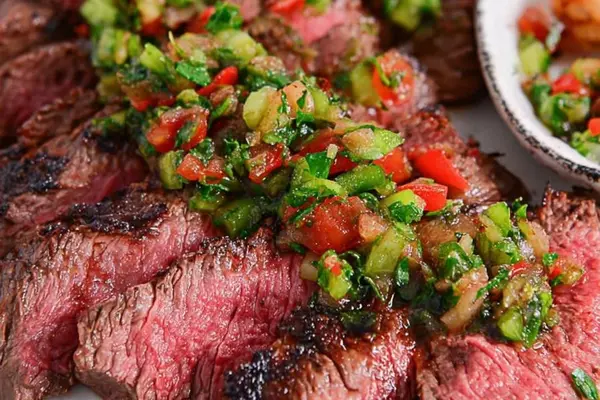
Marinated Bavette Steak with Cilantro Sauce

Baileys Brownies with Irish Cream Frosting
Recipe For Bean Salad With Wild Rice
Beef Burger Recipe with Chipotle Cheese
Caramel Popcorn Cake with Peanut Chocolate

Strawberry Lemon Bars with Buttery Crust

Autumn Roasted Vegetables with Pear

Crispy Ranch Potatoes

Buttered Tofu Recipe with Tomato Cream Sauce