Charcuterie Board with Chorizo, Cheese & Fruit
By Emma
Certified Culinary Professional
·
Recipe tested & approved
Set the board first. That’s the whole thing. Everything else follows. Wood gets warm. Slate stays sharp. Marble feels cool under your hands. Pick one and you’ve basically won already. Had a dinner where I grabbed a cutting board last minute and the whole spread felt wrong because of it — not the food, just the board. Changed everything once I switched surfaces.
Why You’ll Love This Charcuterie Board
Takes 38 minutes total if you don’t stress. Most of it’s just arranging things you already like eating anyway. Guests show up and the board’s already there. Doesn’t need cooking, reheating, last-minute panic. Just sitting there looking expensive. Works for literally any holiday. Thanksgiving appetizers, Christmas charcuterie board, Halloween charcuterie board — swap the colors and the board works the same. Leftovers taste better the next day. Flavors get closer. Textures hold up fine if you keep it covered. No cookbook required. Build it however you want. Nothing breaks.
What You Need for a Charcuterie Board Platter
Large wooden cutting board. Or slate. Or marble. Just something with a flat surface that doesn’t slide around. Not a plate. Something substantial.
Small bowls for spreads — two or three, depends how many condiments you’re bringing. Honey in one. Maybe mustard in another.
Mini appetizer forks, spreaders, small knives, small spoons. Get them on the board before people arrive or you’ll be hunting for utensils while someone’s hovering over the brie.
Mixed fresh fruit washed and patted dry. Grapes, figs, apples. Not wet. Seriously. Wet fruit kills the whole thing — colors go dull, crackers go soggy, everything slides around.
Gouda cheese, sliced thick. Thick enough that it doesn’t bend when someone stabs it. Cheddar, sharp kind, sliced the same way. Brie wedge sliced thin and careful — brie’s soft and it’ll crack if you’re rough.
Smoky chorizo sausage instead of prosciutto. Paper-thin slices. It’s spicy and the color pops against everything else.
Roasted almonds. Just a handful. Dried apricots for sweetness contrast. Mixed olives. Crackers or sliced baguette.
How to Build a Charcuterie Board for Thanksgiving Appetizers
Start with the board itself sitting in front of you. Grab those small bowls — honey in one, anything else you’re bringing in the others. Set them in the center. Use small spoons in the bowls so people don’t double-dip with their fingers. Gross becomes inevitable otherwise.
Wash the fruit now. Grapes, figs, apples — all of it. Then towel dry. Actual drying, not a quick swipe. Wet fruit kills everything. Trust me on this one.
Slice the cheeses and chorizo while the fruit’s drying. Gouda and cheddar thick — thick enough to hold up when someone’s moving things around. Brie thin because it’s already soft and you want it to practically fall apart in someone’s mouth. Chorizo paper-thin still, spicy edge counts more when it’s thin.
How to Arrange Charcuterie Board Christmas and Holiday Spreads
Start from the center and work out. Bowls in the middle, then cheeses and meats radiating from center like you’re building outward. Red chorizo against pale brie? Works. Rough edges next to smooth wedges creates visual tension and that’s what makes people actually want to eat it.
Cluster grapes loose — people want them to feel full and plump. Figs quartered so the purple shows. Apples fanned so they look deliberate. Almonds scattered but grouped. Dried apricots filling gaps but not randomly.
Crackers and baguette rounds go around the edges acting as holders. They’re technically edible handles for the cheese and meats. Olives go where there’s space and color needs balancing. Everything should feel arranged but not stiff. Like you weren’t thinking too hard about it but you were thinking.
Serve immediately after building. Fruit weeps moisture fast. Crackers get soggy. Keep the honey covered until the last second to avoid sticky mess everywhere. Keep an eye on the board — replenish broken crackers, move things around if they’ve dried out. Better to have too much than too little. People eat more when it looks abundant.
Charcuterie Board Tips and Thanksgiving Appetizer Menu Planning
Don’t overcrowd. There’s a difference between abundant and chaotic. Space matters. Your eyes need to land somewhere.
Slice everything right before serving if possible. Gouda and cheddar can sit maybe an hour. Brie gets weird if it sits too long — starts sweating. Chorizo’s fine for a while but it dries out eventually.
Colors matter more than flavors. Red, pale, orange, green, purple. If everything’s the same color the board looks wrong even if the food tastes good.
Buy a wheel of gouda instead of sliced. Sliced gouda from a package gets that plastic film taste. Fresh sliced is different.
Knife marks on soft cheese like brie look messy. Use a hot knife. Dip it in hot water, wipe it dry, slice. One clean cut. Don’t saw at it.
Mix textures. Soft things next to hard things. Smooth next to rough. Crunchy almonds between creamy brie. That’s what makes it interesting.
Don’t put the board on a hot surface. Marble stays cool naturally. Wood and slate you just keep away from the stove. Cheese will sweat and slide if it gets warm.
Charcuterie Board with Chorizo, Cheese & Fruit
Prep:
18 min
Cook:
20 min
Total:
38 min
Servings:
8 servings
Ingredients
- large wooden cutting board or rectangular slate or marble board
- small bowls for spreads
- mini appetizer forks
- spreaders and mini knives
- small spoons
- mixed fresh fruit (grapes, figs, apples), washed and patted dry
- a wheel of gouda cheese, sliced
- chunk of sharp cheddar, sliced
- smoky chorizo sausage, thinly sliced instead of prosciutto
- creamy brie wedge, sliced carefully
- handful roasted almonds
- small jar of honey
- mixed olives
- crackers or sliced baguette
- optional: dried apricots for sweetness contrast
Method
- 1 Start choosing your board: wood for warmth, slate for sharp edges, marble for cool elegance; the base sets the vibe. No board? Use parchment paper on baking sheet, sure beats messy counters.
- 2 Grab small bowls, forks, spreaders, mini knives and spoons. Efficient plating demands utensils upfront or chaos will reign when guests arrive early.
- 3 Fruit waits last. Wash grapes, figs, apples. Gently towel dry. Wet fruit dulls colors and soggy bits kill textures. Don’t skimp on drying — trust me, learned that by accident.
- 4 Slice cheeses and meats. Gouda and cheddar need thicker slices to hold texture under guest fingers; brie sliced thin for melting softness. Chorizo replaces prosciutto for spicy edge, but slice paper-thin still. Don’t mash the slices.
- 5 Begin assembly by setting bowls centrally for spreads, nuts, olives. Use small spoons in bowls to avoid double-dipping ugly moments. Next, place cheeses and meats radiating from center out, playing off color and shape. Red chorizo clashing on pale brie? It works. Rough edges next to smooth wedges—creates tension. Contrasts engage eyes and palates.
- 6 Add fruit and dried apricots. Cluster grapes loosely for plump bursts, figs quartered for purple pops. Apples sliced and fanned. Place crackers or baguette rounds around edges to act as edible holders.
- 7 Serve ASAP. Keep eye on moisture from fruit dragging down crackers and cheese. Keep honey covered tightly until serving to avoid sticky mess. Replenish plated quantities, inspect knife marks and broken crackers. Best not to overcrowd, but always better to have too much than too little.
Nutritional information
Calories
320
Protein
13g
Carbs
14g
Fat
24g
Frequently Asked Questions About Charcuterie Boards for Holiday Appetizers
How far ahead can I prep a charcuterie board for Thanksgiving appetizers? Slice everything maybe 2 hours before. Keep the cut cheese covered with plastic wrap or it’ll dry out. Fruit goes on last, 20 minutes before people arrive. The board itself can be set up hours early — that’s just the physical setup, nothing spoils.
What if I don’t have a wooden board? Parchment paper on a baking sheet works. Slate, marble, even a big platter. Nothing’s actually wrong until you try it. Wood just feels right though.
Can I make this ahead for a Christmas charcuterie board? The board itself? No. You can prep ingredients in containers. But once it’s all together it needs to be eaten within a couple hours or fruit moisture ruins everything and crackers go soft. Build it close to when people arrive.
Should I include mustard or other spreads? Yeah, one small bowl. Honey’s essential. Mustard or something sharp works. Keep spreads minimal or the board gets cluttered and nobody knows what to eat.
How do I keep brie from sweating? Don’t slice it too far ahead. Brie’s temperature-sensitive. Slice it 30 minutes before max. Keep the board away from warm rooms. Brie melts and looks terrible when it’s warm.
Is homemade better than store-bought? You’re not making cheese here. Buy good cheese from an actual cheese counter. Ask them to slice it. Gouda from the bulk section is worth it. Everything else comes from a store.
What if people don’t eat everything? Leftovers are better. Flavors integrate overnight. Cover it, throw it in the fridge, eat it the next day cold. Cheese tastes deeper. Crackers stay somehow crunchier than you’d think.
You’ll Love These Too
Explore all →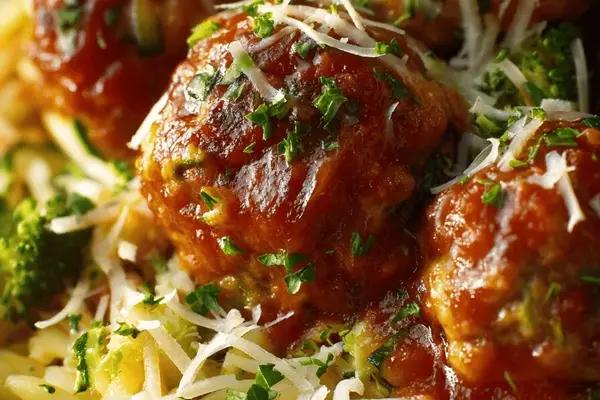
Sausage Meatballs with Orzo and Broccoli
White Chocolate Brownies with Vanilla
Stuffed Peppers with Ground Turkey
Chicken Pasta with Turmeric and Preserved Lemon
Ricotta Spinach Fazzoletti with Plum Tomatoes
Cabbage Pancakes with Shrimp and Bacon
Coconut Cream Pie with Toasted Coconut Flakes
Roasted Brussels Sprouts with Bacon Dressing
Chilled Almond Soup with Garlic & Grapes
Flammekuchen Recipe: Crispy Crust with Pancetta

Pain Au Chocolat Recipe with Orange Zest
Crispy Battered Fish with Honey Dijon
Kale Chicken Salad with Goat Cheese
Grapefruit White Chocolate Scones
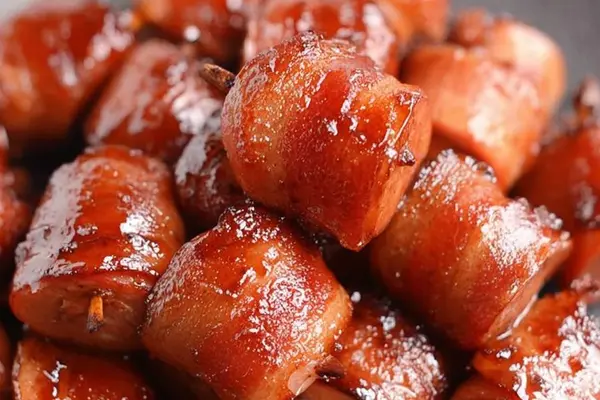
Brown Sugar Bacon Kielbasa Bites Recipe
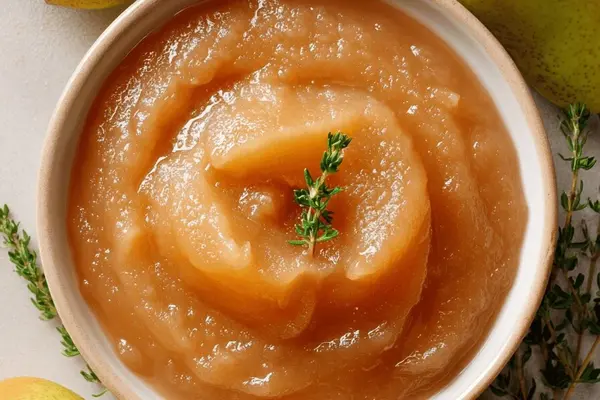
Homemade Pear Butter with Lemon Juice
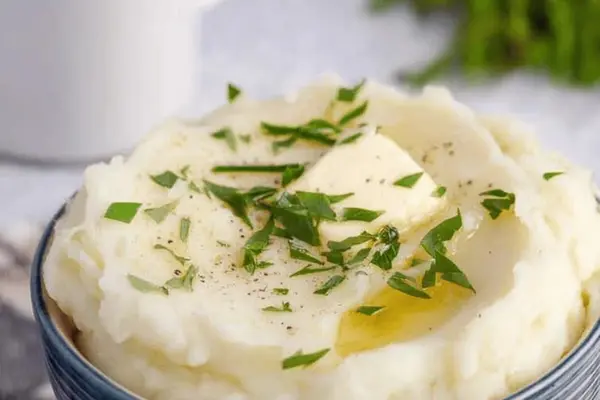
Creamy Mashed Potatoes with Mushroom Stock
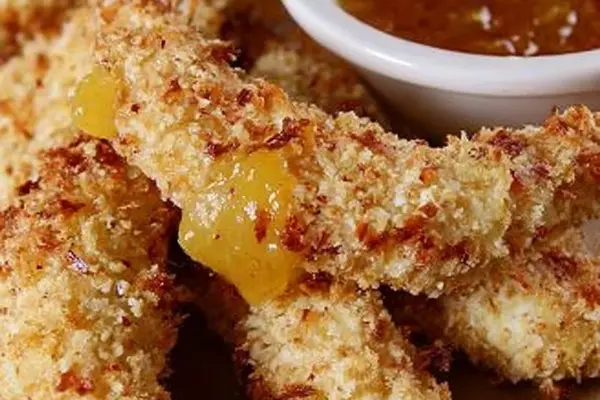
Crispy Coconut Chicken Tenders Recipe
Spiced Rum Glazed Butter Cookies with Apricots