Making Sugar Cookies with Cake Flour

By Emma
Certified Culinary Professional
·
Recipe tested & approved
Overnight in the fridge. That’s the move nobody skips once they’ve made them. Sugar cookies spread if you don’t chill the dough, and chilling is what actually makes the frosting stick right. Had a batch once with zero patience. Spread into blobs. Never again.
Why You’ll Love These Frosted Sugar Cookies
Takes two and a half hours total, but most of that’s hands-off. Actually overnight if you want the real thing—do the dough before bed, bake and frost the next day. Breakfast dessert situation. Works for holidays, works for a random Tuesday. Nobody questions why sugar cookies are in the box.
One bowl. One mixer. Clean-up is five minutes. Not nothing, but close.
The frosting stays put. Dipped, not spread. Snaps when you bite it. Most homemade cookies get soft edges—these stay structured, especially with the shortening in the dough. Lofthouse cookies vibes without the weird texture.
Brown sugar in cookies makes them chewy. This recipe says no—uses granulated, so they stay crisp. Pick your side.
Store them right and they last almost a week. Actually last. Not turn to hockey pucks.
What You Need for Frosted Sugar Cookies
Cake flour plus all-purpose. Not just all-purpose. The cake flour keeps things tender; all-purpose alone gets too dense. Could swap regular flour for the cake flour and it still works, but texture changes. Not the same.
Baking powder and cream of tartar. The tartar does something to flavor—not much, but it’s there. Could leave it out. Cookies still happen.
Half a cup of softening butter. Needs to be actual soft, not melted. Room temperature. This matters. Cold butter won’t cream right with the shortening.
Vegetable shortening. A third of a cup. Butter alone gets too cakey. Shortening keeps edges from browning too fast and helps with the spread. Not substitutable. Well—you could try all butter. Cookies spread more. Edges get darker.
One egg and one egg white. The yolk stays separate for glaze or whatever. The white goes in for structure, keeps them from being greasy. Whole eggs work if you’re lazy about separating them. Cookies come out richer.
Store-bought frosting in a tub. Vanilla or almond. This isn’t a from-scratch frosting recipe. Tub frosting works better for dipping than anything homemade anyway. It sets faster. Spreads cleaner.
How to Make Sugar Cookies
Whisk cake flour and all-purpose together with baking powder and cream of tartar. Get it smooth. Lumps break up when you sift but honestly a whisk works fine if you’re not lazy about it. Set it aside.
Beat the sugar, butter, and shortening on medium speed until it goes pale. This takes maybe three minutes. The sound actually changes—louder, lighter, kind of squeaky. That’s when the air’s in there. Add vanilla. Add the whole egg. Mix until it’s blended, then add the egg white. Mix again. Scrape down the sides because dry pockets hide in the corners and ruin everything.
Gradually add the dry mix on low. Go slow. If you dump it all in at once, flour flies. Keep going until the flour vanishes into the wet. Literally no specks of white flour showing. Stop there.
Cover it with plastic wrap. Put it in the fridge. Overnight is best—at least seven hours minimum. The dough gets firm. The flavors sit with each other. You try to bake cold dough straight away, the cookies spread into pancakes instead of holding their shape.
How to Get Perfectly Crispy Christmas Sugar Cookies
Heat the oven to 380 degrees. Line two trays with parchment. Pull the dough out when it’s really cold and firm—if it’s soft, back in the fridge for ten more minutes.
Flour your work surface lightly. Roll the dough about half an inch thick. Not thinner. Thinner cookies bake too fast and the centers stay raw. Use floured cutters—flour them well or shapes stick and tear. Cut shapes. Place six cookies per sheet, spaced out. They don’t spread much, but enough that edges touch and merge if you crowd them.
Bake one sheet at a time. Nine to thirteen minutes. The edges should feel firm when you touch the edge. The very center stays slightly soft. You want no browning at all—just pale, almost white. That’s the thing. These aren’t supposed to brown. Listen for small crackles from the oven. That’s the dough setting. Check at nine minutes the first batch.
Cool them on the pan for three to four minutes. Too soon and they break. Too long and the bottoms get sticky and peel off. Then transfer to a rack or parchment.
Holiday Cookie Tips and Common Mistakes
Cold dough is non-negotiable. Room temperature dough spreads and the shapes blur. Chill it.
Don’t brown the edges. Lofthouse cookies stay pale. If your oven runs hot, lower the temp five degrees and add a minute. Every oven’s different. Your temperature is just a starting point.
The frosting dip matters. Store-bought tub frosting works because it sets quickly. Homemade royal icing takes forever and runs. Dip the top straight down, one motion, lift, let drips fall off. Don’t swirl it on the paper or you get messy spots.
Sprinkles go on while the frosting’s wet. Once it dries, sprinkles don’t stick. Thirty seconds. That’s your window.
If frosting gets too thick while you’re dipping, microwave it in short bursts. Fifteen seconds at a time. One burst usually does it. Overheat and you’ll see oily spots and smell it going wrong. Just use it as-is if that happens—thinned out too much and it’s basically unusable.
Stacking wet cookies smudges the frosting. Dry them at room temp for an hour before you stack them. Parchment between layers if you’re paranoid about stick-on.
Brown sugar cookies are a thing. Different recipe. This one uses granulated for that crisp edge. Not interchangeable.
Making Sugar Cookies with Cake Flour
Prep:
60 min
Cook:
25 min
Total:
2h 25min
Servings:
12 servings
Ingredients
- 1 cup cake flour
- 1 ⅓ cups all-purpose flour
- 1 tsp baking powder
- ½ tsp cream of tartar
- ¾ cup granulated sugar
- ½ cup unsalted butter softened
- ⅓ cup vegetable shortening
- 1 tsp vanilla extract
- 1 large whole egg
- 1 large egg white (save yolk for glaze or discard)
- For frosting: store-bought tub frosting (vanilla or almond)
Method
- Cookies
- 1 Combine cake and all-purpose flours with baking powder and cream of tartar. Whisk thoroughly, no lumps. Set aside. Texture here matters; too coarse dough ruins cut shapes.
- 2 In a large bowl, beat sugar, butter, and shortening until pale and fluffy. Use a hand mixer on medium. The sound changes as air whips in – listen for that lightness. Add vanilla, whole egg. Beat until mixed. Then add egg white, beat again to blend. Pause. Scrape sides with spatula to avoid dry pockets.
- 3 On low, add dry mixture gradually. Mix until flour vanishes into wet. No raw flakes hiding or you’ll get patchy spots after baking.
- 4 Cover with plastic wrap, chill refrigerated overnight or at least 7 hours. Dough firms and flavors meld. Trying to skip this? Expect spreading cookies.
- Baking
- 5 Heat oven to 380°F (up by 5 degrees for a bit more crisp edges). Line two trays with parchment. Roll chilled dough on a lightly floured surface about ½ inch thick. Floured cutters necessary–flour them well. Shapes pop out clean.
- 6 Place 6 cookies per sheet; space well or edges merge. Bake one sheet at a time for 9 to 13 mins. Edges should feel firm, center slightly soft, no browning. Listen for quiet crackles from the oven—that’s your cue to check.
- 7 Cool cookies 3 to 4 minutes on tray before transferring. Too soon breaks tops; too late, sticky bottoms.
- Frosting
- 8 Peel lid and foil off frosting tube. Put in microwave-safe dish if you want better control. Heat 25 seconds, stir. Repeat in 15-second bursts until pourable but not runny. Overheated splits or separates; you’ll smell it and see oily spots.
- 9 Pour about ¾ inch layer in shallow bowl. Hold cookie by edges, dip top side straight down in glaze. Lift; let drips roll off. Flip face up on parchment. Don’t swirl dipped cookie on paper or messy spots.
- 10 Sprinkle immediately; frosting dries quickly. If frosting thickens, reheat carefully. Repeat dipping till done.
- 11 Dry at room temp about 1 hour before stacking to avoid smudges.
- 12 Store cooled, frosted cookies in airtight container between parchment sheets.
Nutritional information
Calories
200
Protein
2g
Carbs
28g
Fat
10g
Frequently Asked Questions About Sugar Cookies
How long do frosted sugar cookies last? Week, maybe nine days if it’s dry and you keep them sealed. The frosting locks out air. After that they get hard. Not stale—like, biscotti hard. Still edible, just not fun.
Can I use all all-purpose flour instead of cake flour? Yeah. Cookies get denser, less tender. Not bad. Different texture. Cake flour’s softer; it makes them more like lofthouse cookies instead of like—well, regular cookies.
What if my dough spreads anyway? Too warm. The shortening melts faster than butter. Your kitchen’s probably hot or you didn’t chill long enough. Next time, chill it overnight. Actually overnight, not “a few hours.”
Do I need an egg white or can I use a whole egg? Whole egg works. Cookies come out richer, slightly more tender. Less structural. The white adds a bit of crisp. Not a huge difference.
Can I make these without shortening? Not really. All butter and they spread more and brown faster. Shortening’s doing the work here. Edges stay structured.
How do I get the frosting smooth when I dip? Microwave it until it’s pourable but not thin. Takes like thirty seconds total usually. Dip straight down, hold for one second, lift. Let gravity do it. Don’t swirl. Don’t second-guess. One motion.
Are these like Lofthouse cookies? Close. Similar structure, same dipping frosting method, similar texture. Lofthouse probably has more stuff in them—corn syrup, maybe gums or something. These are the homemade version that actually hold their shape.
Can I use brown sugar in this recipe? You can. They’ll be chewier, less crispy. Different cookie. Not the holiday cookie vibe. Granulated sugar’s the call for these.
You’ll Love These Too
Explore all →
Grilled Lamb Skewers with Honey Mustard
No Bake Cheesecake with Strawberry Oreos
Creamy Custard Fruit Salad with Pecans

Red Lentil Soup with Cumin and Carrot
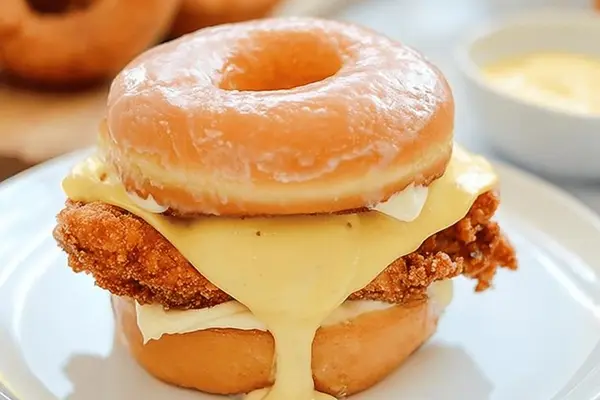
Donut Chicken Sandwich with Maple-Dijon
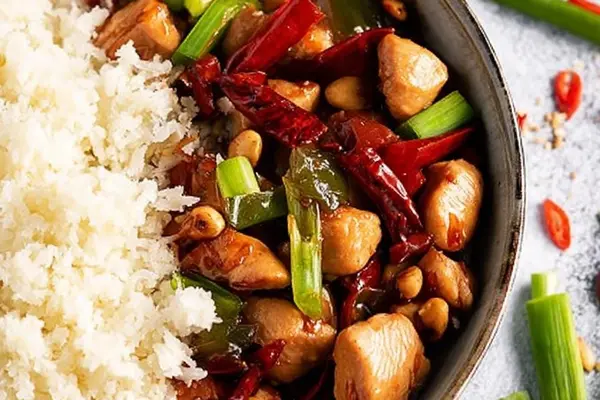
Kung Pao Chicken with Snap Peas
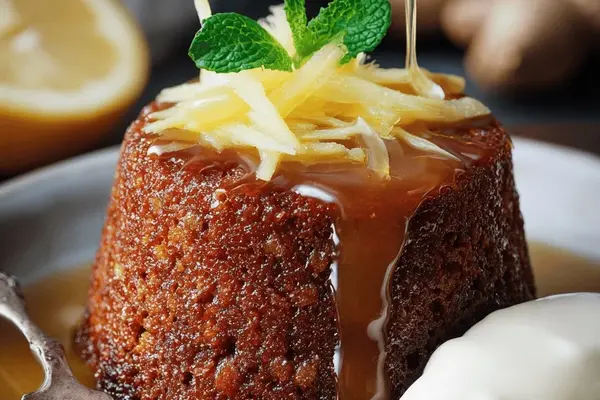
Coconut Oil Baking: Ginger Steamed Pudding
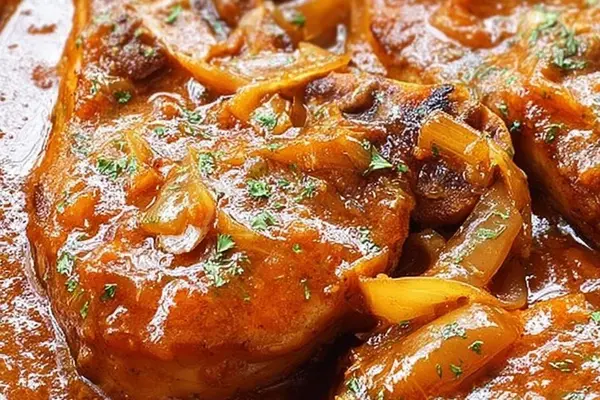
Slow Braised Pork Chops with Caramelized Onions
Vegan Ice Cream with Coconut Cream
Slow Cooker Chicken Thighs with Potatoes
Cinnamon Toast Crunch Cheesecake Bites
Grilled Pork Chops with Roasted Zucchini Salad
Almond Joy Cookies Recipe with Coconut
Coffee Caramel Macarons with Hazelnut
Lemon Granita Affogato with Coconut Milk
Homemade Andouille Sausage Recipe
Ricotta Tartlets with Fresh Tomatoes
Yule Log Cake Recipe with Chocolate Ganache
Stuffed Zucchini Flowers with Fennel