French Toast Recipe with Almond Extract
By Emma
Certified Culinary Professional
·
Recipe tested & approved
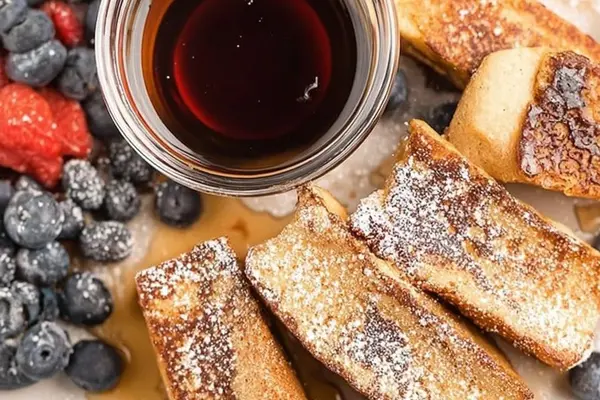
Heat the butter till it smells nutty. That’s your signal. Dip the bread — all sides, but don’t soak it to death — and watch the pan hiss. Four slices of thick white bread, cut into sticks, gone in 11 minutes total.
Why You’ll Love This French Toast
Takes 16 minutes to prep if you move, then 11 minutes cooking. Done before your coffee gets cold.
Almond extract instead of vanilla — sounds weird, works. Deeper flavor without tasting like extract overdose.
No flipping a dozen thin slices. Sticks are faster. Easier to flip. Way less fussy.
The cinnamon goes straight into the custard, not dusted on top after. Means every bite has it built in. Not like a topping that falls off.
Works as actual breakfast or dessert. Cold next day, reheats fine in the toaster oven. Some people say it’s better that way. Not convinced, but it happens.
What You Need for Cinnamon French Toast
Thick white bread. Not thin. Crust off. The kind that holds custard instead of falling apart.
Three eggs. Large. Non-negotiable if you want actual richness.
Heavy cream. A quarter cup. Coconut milk works if you’re doing dairy-free — honestly tastes pretty close.
Almond extract. A teaspoon. Switch to vanilla if almonds are a problem, but almond is better. It’s just deeper.
Powdered sugar and cinnamon mixed in the custard, not sprinkled after. Two tablespoons powdered, one teaspoon cinnamon. Goes right in with the eggs and cream.
Butter for the pan. Real butter. Not oil. The brown bits matter.
Extra cinnamon sugar or powdered sugar for dusting after they come off heat. Optional but recommended.
How to Make French Toast Sticks
Cut the crusts off first. Clean edges soak better. No tough bits getting in the way. Then cut each slice into 1-inch sticks — uniform size so they cook at the same speed.
Crack three eggs into a wide shallow bowl. Whisk hard till yolks and whites look like one thing, no streaks. Pour in a quarter cup heavy cream or coconut milk. Add the almond extract. Whisk again till it looks smooth. Add powdered sugar and cinnamon directly to the custard and whisk once more. Everything mixed. Everything sweetened. Everything spiced. One bowl, done.
Heat your nonstick pan or griddle on medium. Add a knob of butter — not a pat, actually a knob — and let it melt till it foams and smells like toasted nuts. That’s when you know the temp is right.
Dip each bread stick into custard. All sides need to touch. But don’t let it sit there. In, turn, out. That’s the timing. Too long and it turns to mush. Not long enough and the middle stays dry.
Place sticks on the hot pan with a little space between each one. Listen for the sizzle — steady and confident, not frantic. Gentle press with the spatula early on just to make sure they’re touching heat. Four to six minutes on the first side. You’re waiting for golden brown creeping up the edges. That’s when you flip.
Second side goes the same amount of time. Golden tan. Touch it — should feel springy, not mushy, not hard. When it smells like sweet butter and warming spice, you’re done.
How to Get French Toast Crispy
The butter matters more than you think. Brown butter, not just melted. That nutty smell means the proteins are caramelizing and the heat is actually there.
Medium heat works. Too hot and the outside burns while the inside stays custard-y. Too cool and you get soggy bread that never crisps. Medium. Listen to the pan.
Don’t crowd it. If you stack five sticks in there, they steam instead of toast. Work in batches if you have to. One batch takes 11 minutes. Worth it.
Paper towel drain right after they come off. One minute max. Gets rid of the grease that makes them soggy later. Then dust with cinnamon sugar or powdered sugar while they’re still hot. The warmth actually grabs the sugar.
Eat them right away or put them on a low oven rack covered loosely with foil to keep warm. Crisp goes away fast once they cool down. Reheating in the toaster oven brings some of it back — not all, but enough.
French Toast Recipe Tips and Common Mistakes
Custard too thin. Add more powdered sugar or an extra egg yolk. Too thick and sticky. Splash more cream or milk.
Bread matters. Day-old is better than fresh. Fresh bread is too spongy and soaks up too much custard. If your bread is fresh, toast it lightly first or use less soak time. Brioche or challah work way better than regular white bread — more buttery, richer texture. Regular sandwich bread is fine. Just not as good.
If the butter browns too fast and smells burned, lower your heat or add more butter before the pan gets too hot. Sticking mid-batch? Wipe the pan down quick or add a dab more butter.
No cinnamon? Nutmeg works. Pumpkin pie spice works. Don’t skip the spice entirely — it’s half the point.
Allergic to almonds? Vanilla extract is the safe swap. Not as interesting, but it works.
Sticks soak but never crisp? Pan’s probably too cool or you’re not using enough butter. Heat matters. Butter matters.
Listen for the sizzle sound and watch for the golden hue — those tell you when to flip and when you’re done. Timer is less reliable than your senses here.
Work in batches if you’re making a big breakfast. Keep the cooked sticks warm on a low oven rack covered loosely with foil so they don’t steam themselves into mush.
French Toast Recipe with Almond Extract
Prep:
16 min
Cook:
11 min
Total:
27 min
Servings:
4 servings
Ingredients
- 4 slices thick white bread, crust removed
- 3 large eggs
- 1/4 cup heavy cream (or coconut milk for dairy-free)
- 1 teaspoon almond extract (substitute vanilla)
- 2 tablespoons powdered sugar
- 1 teaspoon ground cinnamon
- Butter for cooking
- Cinnamon sugar or powdered sugar for dusting
Method
- Preparing bread sticks
- 1 Start by trimming all crusts from bread slices; clean edges help custard soak better without tough crust interference. Cut each slice into 1-inch sticks. Uniform size ensures even cooking later — no guessing.
- Making the custard
- 2 Crack eggs into a wide, shallow bowl. Whisk vigorously till yolks and whites are one unified color. Pour in cream (or coconut milk) and add almond extract instead of vanilla — a bold move for extra depth. Whisk till custard seems homogenous, not lumpy.
- 3 Add powdered sugar and cinnamon directly to custard. Whisk again to combine. This combo spices the sticks up without extra steps. Sweetness and warmth locked in now.
- Cooking technique
- 4 Heat a heavy nonstick pan or griddle on medium. Add a knob of butter, let it melt until it foam-sizzles and releases a nutty scent; signals prime temperature.
- 5 Dip each bread stick fully in custard, all sides coated but not soggy – avoid over-soaking or sticks fall apart. Place carefully on griddle with slight space between sticks.
- 6 Listen for steady sizzle not frantic crackling; adjust heat accordingly. Press sticks gently with spatula early on to ensure contact. Cook about 4-6 minutes per side. Look for golden brown color creeping up edges before flipping. Flip gently, do not poke.
- 7 Cook second side to same golden tan. Touch test: slightly springy, not mushy or hard. Smell sweet butter and warming spice, that’s done.
- Serving
- 8 Remove sticks from pan, drain briefly on paper towel to avoid soggy bottoms. Dust with cinnamon sugar or powdered sugar immediately; warm surface grabs it.
- 9 Eat soon or lose crispness. Leftovers? Reheat gently in toaster oven or on pan to revive crunch.
- Tips and fixes
- 10 If custard too thin, add more powdered sugar or extra egg yolk for richness. Too thick? Splash more cream or milk. Bread too fresh and spongy? Use day-old or lightly toasted slices. Bread too dry? Soak shorter, add splash more cream.
- 11 Butter browning too fast? Lower heat or add more butter. Pan sticking mid-batch? Wipe down quickly or add dab more butter.
- 12 No cinnamon? Nutmeg or pumpkin pie spice work well. Allergic to almonds? Vanilla extract is safe fallback.
- 13 Tried with brioche or challah? Way better flavor, more buttery texture. Standard white or sandwich bread works fine but not as rich.
- 14 Work in batches if pan crowding slows cooking or makes steaming instead of toasting.
- 15 Keep cooked sticks warm on low oven rack covered loosely with foil.
- 16 If sticks soak but don’t crisp, pan likely too cool or butter insufficient.
- 17 Master the sizzle sound and golden hue—those reveal when to flip or call done.
Nutritional information
Calories
320
Protein
9g
Carbs
28g
Fat
18g
Frequently Asked Questions About French Toast
How thick should the bread be? Thick. Like, an inch or more. Thin bread soaks through and falls apart. You want something that can handle custard without turning into mush.
Can I make this with day-old bread? Yeah. Better, actually. Day-old bread doesn’t soak up as much liquid and keeps more structure. Fresh bread is too spongy.
Can I use brioche instead of white bread? Do it. Brioche or challah are richer, more buttery. Better flavor than regular sandwich bread. Way better.
Why almond extract instead of vanilla? Deeper flavor. Vanilla tastes like vanilla. Almond tastes like something else that works better in custard. If you can’t do almonds, vanilla’s fine.
Can I make this overnight or prep ahead? You could mix the custard the night before and keep it in the fridge. Bread can’t sit in custard overnight or it turns to pudding. Cut and soak right before cooking.
What if I don’t have heavy cream? Coconut milk works. Whole milk works but won’t be as rich. Cream is better. Coconut milk is close.
Can I use an air fryer for french toast sticks? Yeah. 375 degrees, about 8 minutes, shake the basket halfway. Won’t be quite as crispy as pan-cooked but still pretty good. Watch the first batch to dial in your air fryer.
How do I reheat leftover french toast? Toaster oven on low heat brings back some crunch. Pan on medium with a tiny bit of butter works too. Microwave kills the texture — don’t do it.
You’ll Love These Too
Explore all →
Roasted Potatoes with Duck Fat and Maple Syrup
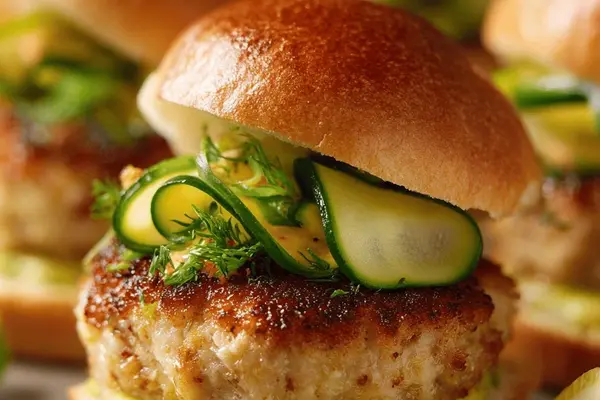
Mini Crab Sliders with Sriracha Mayo
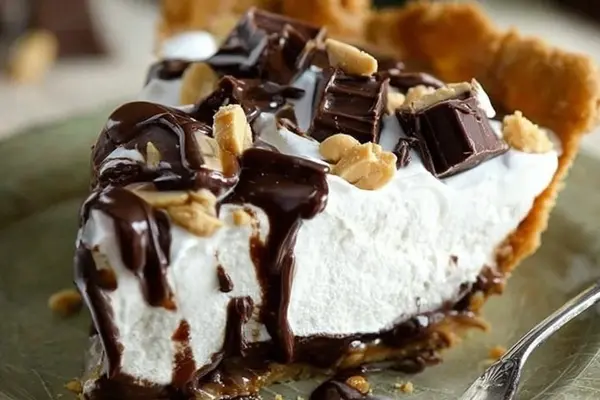
Amaretto Peanut Butter Pie Recipe No Bake
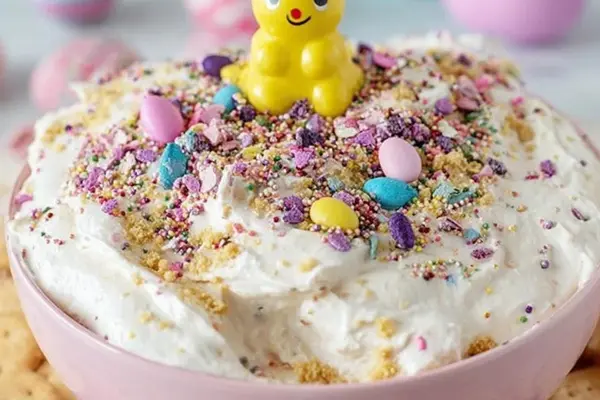
Easter Dunkaroo Remix: No-Bake Yogurt Dip
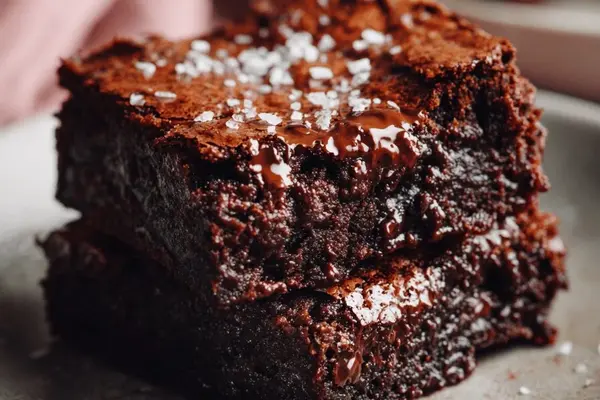
Slow Cooker Chocolate Brownies with Hazelnuts
Ham With Apricot Glaze Recipe
Lemon Dessert Bars with Ricotta Filling
Lactose-Free Strawberry Ice Cream with Coconut
Turkey Injection Marinade with Apple Cider
Dark Chocolate Chip Muffins with Sour Cream
Cheesecake Almond Cookies with Candied Cherry
Fluffy Omelette with Ricotta Salata
Beet Pomegranate Sorbet with Ginger
Grilled Pork Chops with Wild Rice & Sesame
Homemade Brownie Mix with Dutch Cocoa
Cannellini Bean Salad with Grilled Shrimp
Macaroni Cheese in a Crock Pot
Gingerbread Men Cookies with Cream Cheese

Lychee Lime Granita with Mango & Mint