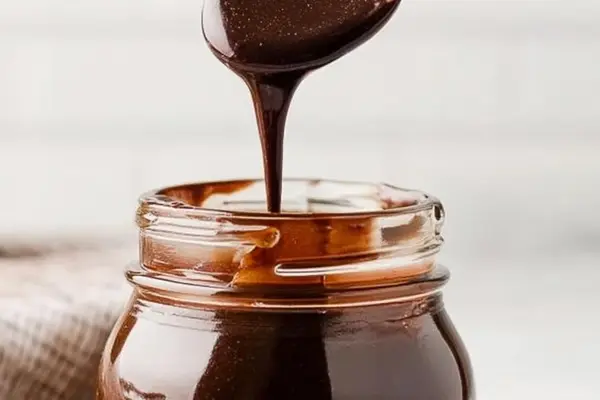
Velvety Hot Fudge
E
By Emma
Certified Culinary Professional
•
Recipe tested & approved
A rich, hot fudge sauce blending butter, cream, sugars, and a twist with peanut butter replacing marshmallow fluff. Cooked carefully until bubbling spots appear on the edges then finished by stirring in the replacement ingredient for extra silkiness. Serves many; intense calorie load but worth every spoonful.
Prep:
6 min
Cook:
6 min
Total:
12 min
Servings:
48 servings
#dessert sauce
#chocolate
#peanut butter
#American cuisine
#confectionery
Before You Start
Hot fudge is a dance of heat and texture. Butter melting into cream, sugar granules disappearing, and cocoa powder dispersing thick emotion across the pan’s surface. The faint crackle as bubbles edge slowly appear—listen for this; it’s the sign you’re past the raw phase. Overcooking dries and grainifies the fudge, undercooking leaves it watery and dull. I switched marshmallow fluff for peanut butter once just because—no regrets. That unexpected earthy richness changes the game. Makes sauce more steadfast on ice cream, less flighty in warm bowls. Simple ingredients but demanding timing, rewarding if you watch, listen, feel through every step. No rigid clocks, trust the simmer spots, the spread of glossy thick layers on spatula. I’ll share why every cooking choice matters and what to do when stoves don’t behave. Bonus tips on saving a sauce too thin or grainy.
Ingredients
- 1 cup heavy cream
- 6 tablespoons unsalted butter
- 1 cup granulated sugar
- 3/4 cup unsweetened cocoa powder
- 1/4 teaspoon salt
- 1/2 cup smooth peanut butter
In The Same Category · Sauces and Condiments
Explore all →
Smoky Lime Chipotle Remoulade

Indian-Spiced Mayo Twist
Clarified Butter Remix
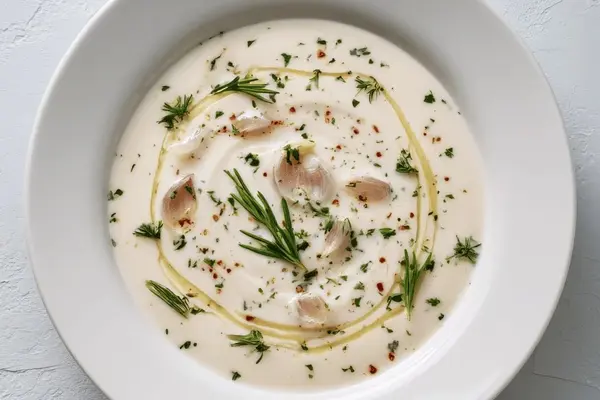
Twist on Béchamel
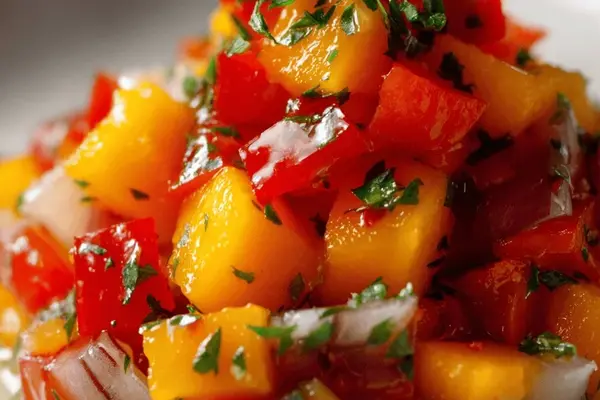
Tropical Mignonette Twist
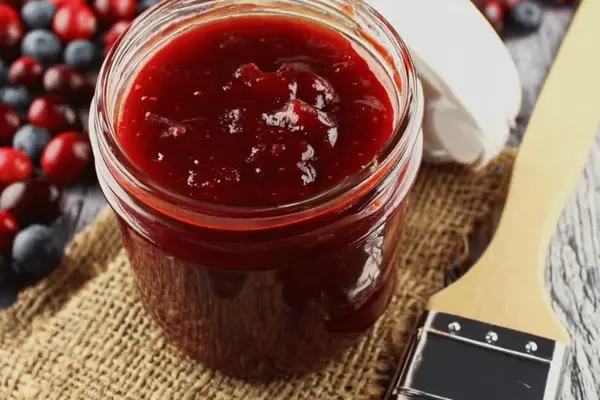
Tangy Cran Blueberry BBQ
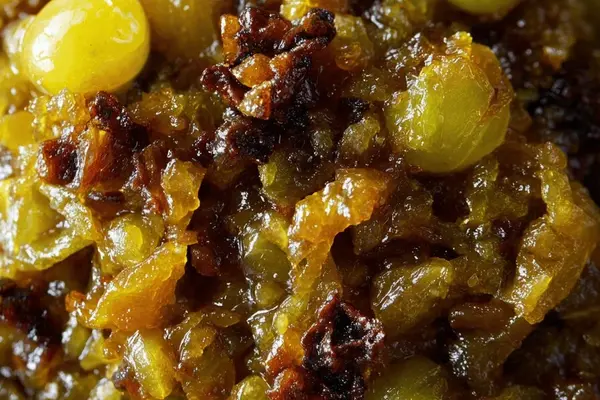
Ginger Grape Chutney
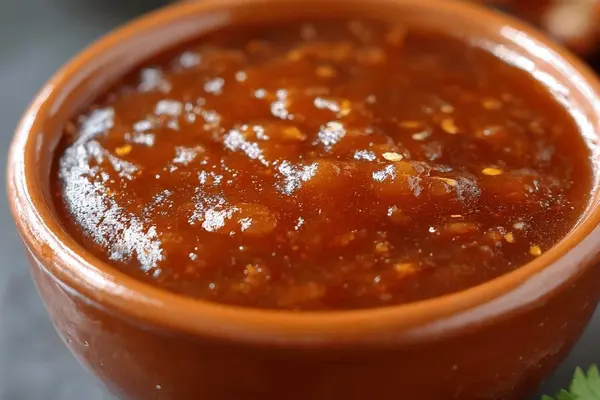
Smoky Tangy BBQ Sauce
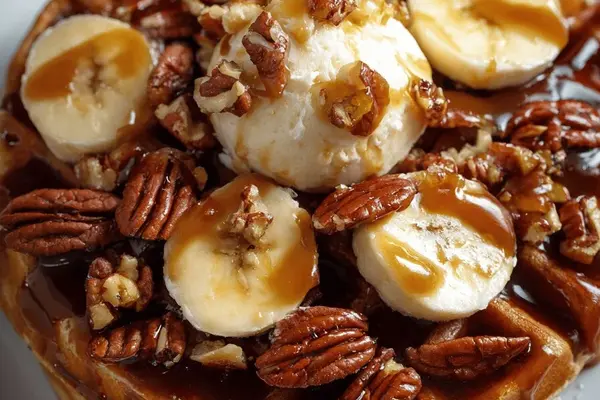
Banana Caramel Sauce
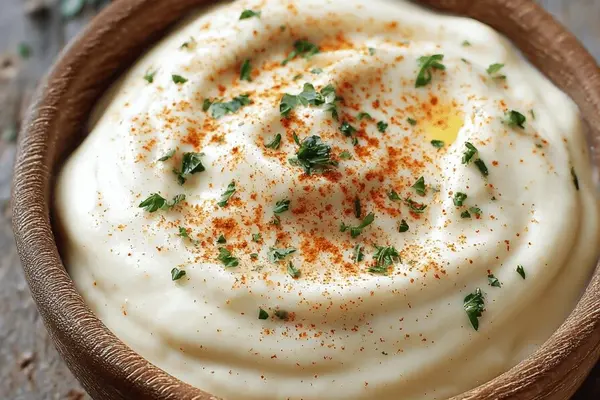
Garlicky Whip Sauce
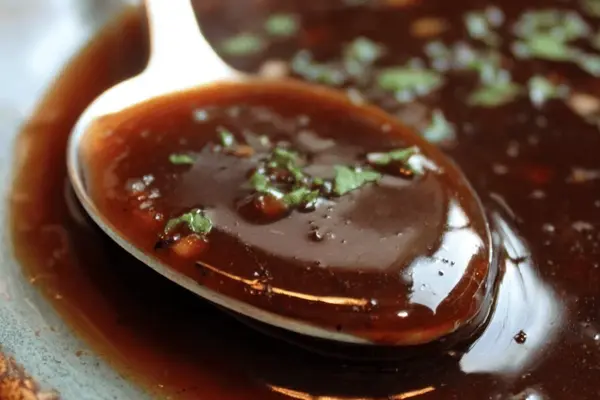
Quick Dark Sauce Gravy
Smoky Ranchero Sauce
Rough Pecan Caramel Sauce
South Carolina Mustard BBQ Sauce Twist
Rustic Tomato Basil Sauce
Rustic Seasoned Salt
Brown Sage Butter Sauce

Citrus Twist Syrup
Fresh Tomato Sauce Twist
Herb Garlic Salt Twist
About the ingredients
Cream and butter establish the luscious base. The butter’s fat coats others, preventing scorching and adding silk. You can substitute light cream but sauce thins out noticeably. Using natural peanut butter instead of marshmallow fluff shifts flavor and texture — more stability, less sweetness, though always check salt level; no one wants salty fudge. Cocoa powder must be unsweetened and sifted before; lumpy fudge is criminal in my book. Sugar adjusts viscosity; if you want a less sweet sauce, reduce granulated sugar by a couple tablespoons but watch doneness closely. Salt is subtle but essential; enhances cocoa’s depth, cuts cloying edges. If peanut butter isn’t an option, white chocolate chips or cream cheese adds body but expect texture further from traditional hot fudge. Avoid premixed sauces—fresh is worth fussing over. Keep all ingredients measured but rely on texture over clock.
Method
===
- Pour cream, butter chunks, sugar, cocoa, and salt in a medium saucepan. Butter at the bottom helps prevent scorching; no clumps here, whisk it smooth right off the bat.
- Set burner medium heat—medium-low if your stove runs hot. You want butter melting slow and sugar dissolving completely. Stir constantly attending the textures, watch the cocoa darken but not dry out.
- Edges start to bubble first–not a rolling boil, that’s your cue. Almost a teasing simmer on sides while center still sings quietly. Keep stirring every 5-10 seconds; fudge thickens and darkens quickly here. Stop as soon as bubbles form and linger along borders, 2-3 minutes after; focus on even cooking.
- Remove from heat right away. Stir in peanut butter thoroughly, not like marshmallow fluff but fatty and nutty instead. It melts into the fudge sauce creating a rich sheen and subtle nuttiness. Texture will go from glossy to deeper body.
- Let cool partially for a sticky but pourable consistency. Serve warm or store in airtight jar once cooled. Reheat gently in microwave or double boiler, whisk before use.
Cooking tips
Start by combining everything except peanut butter in a medium heavy-bottom pan—thicker pans distribute heat more evenly, less chance of burning. Medium heat crucial. Too hot and sugar chars before dissolving; too low and it drags on leaving a grainy mouthfeel. As butter melts, constantly whisk to integrate cocoa fully, breaking any clumps early. The telltale bubbling at edges is your breakthrough—never wait for full rolling boil. Once bubbles hold and slightly cling around pan rim, lower heat immediately or remove to prevent curdling. Stirring constantly keeps sugar evenly dissolved and peanut butter, added off heat, emulsifies without separating. Cooling time crucial for settling flavors and thickening. Don’t tempt fate by plugging fudge in fridge when hot; condensation ruins texture. To fix thin fudge, briefly reduce on stove or whisk in more peanut butter or cocoa. Grainy fudge often due to undissolved sugar; whisking and temperature control key. Serve warm but not burning-hot, coating scoops instead of sliding right off.
Chef's notes
- 💡 Heat medium low — slow melt needed. Butter chunks first avoid burning. Whisk sugar early — clumps mean gritty fudge. Notice cocoa darkening but no dryness. Watch edges, bubbles form slowly, never full boil. Stir constant; thickens fast once bubbling. Timing off? Reheat gently, add cream splash for thin fudge fix. Peanut butter emulsifies best off heat, melts in glossy. No metal whisks for thick sauce. Silicone or wooden spatula works better.
- 💡 Bubble edge sounds important — soft crackling, faint pop signals. Center stays quiet, fudge thicker there. Watch color deepening, not blackening. Sugar chars if heat too high, bitter instant. Adjust stove, burner size matters too. Use good heavy pan bottom, distributes heat evenly. Burnt fudge score zero. Cooling time critical; hot fudge plugging fridge traps steam, skin forms bad texture. Reheat slow or microwave low power, stir well. Sauce thickens as cools; warm gently to loosen, not scorch.
- 💡 Peanut butter swap changes game — less sweet, savory notes show. Salt level must be guarded; natural peanut butter varies. Use fresh, no oil separation, old jars ruin texture. Alternatives? Cream cheese adds body, less sweetness. White chocolate chips melt texture but sweeten. Avoid premixed; fresh control wins every time. Sugar reduction cuts sweetness but watch viscosity tight, fudge fails to thicken.
- 💡 Clumps kill gloss—sift cocoa powder pre-use always. Undissolved sugar makes grainy fudge. Whisk till no grit. If grainy happens despite, reheat low with splash cream, whisk aggressively. Quick fixes save sauce. Overcooking dries fudge out; monitors bubbles, stops right when cling edge spotted. Soft but sticky cooling tells pourable stage. Too thin? Lower heat, add more peanut butter or cocoa slowly while warm. Timing trumps clocks; feel, smell, listen. Can’t rely on timers alone.
- 💡 Storing fudge room temp needs airtight seal. Skin forms fast otherwise. Fridge changes texture—firms but risks water condensation if covered wrong. Freeze okay in tighter containers; thaw slow fridge. Stir gently after defrost. Use silicone whisk if stirring thick sauce; metal scratches pans plus cleanup toughest. If fudge separates off heat add small cream splash, whisk fast restores emulsion. Keep cool but not fridge-chilled always. Patience in bubbling stage yields deeper color and taste.
Common questions
How to know when fudge is ready?
Watch bubbles edge softly crackling. Center stays quiet. Stop just when bubbles hold on sides but not rolling. Too hot burns sugar fast, bitter taste. Timing varies stove. No full boil needed. Whisk tells texture; thickens quick after bubble stage.
What if fudge grainy or lumpy?
Cause often undissolved sugar or cocoa clumps. Whisk longer on medium heat. Reheat gently with splash cream fixes most. Using sifted cocoa powder helps. Don’t rush cooling or start stirring when cold. Adjust heat lower if sugar chars easily.
Can peanut butter be swapped for something else?
Yes. Cream cheese or white chocolate chips works. Cream cheese adds rich body but more softness. White chocolate sweeter, changes sweetness level a lot. Avoid marshmallow fluff unless want sweeter soft fudge. Natural peanut butter best for balance savory layer, no oil separated jars.
How to store hot fudge sauce?
Multiple ways. Room temp airtight ok short term but skin forms easy. Refrigerate slows spoil but causes texture change, condensation risk. Freeze works for months, defrost in fridge slow. Always stir before serving. Cover tight to prevent contamination, use silicone whisk careful with thick sauces.
You’ll Love These Too
Explore all →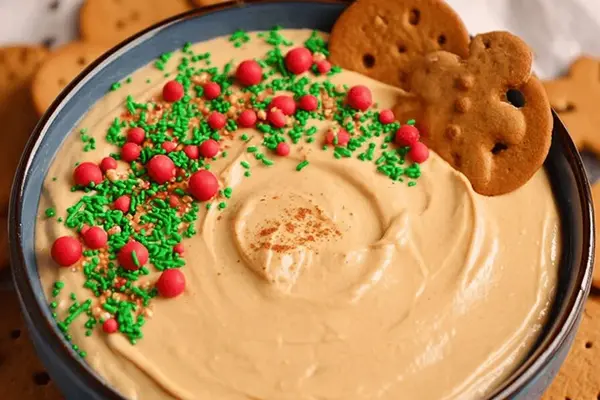
Gingerbread Cream Cheese Dip

Peach White Rum Cooler

Twisted Chocolate Croissants

Chilly Melon Banana Blend
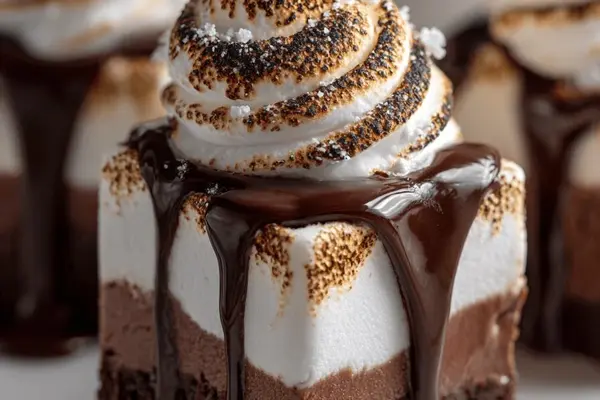
Marshmallow Hot Chocolate Cubes
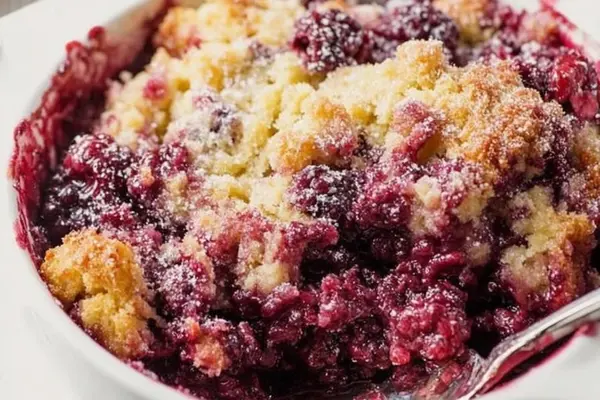
Easy Blackberry Cobbler
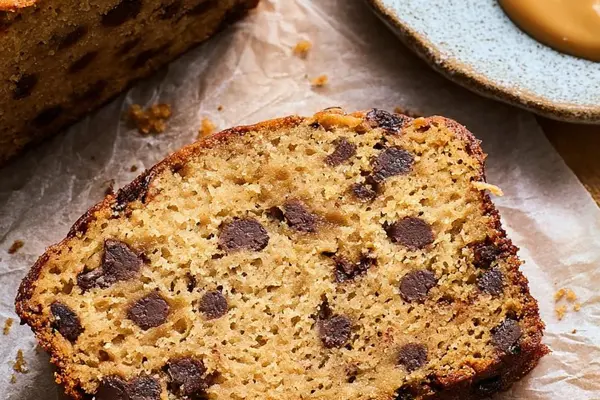
Peanut Butter Chocolate Chip Banana Bread
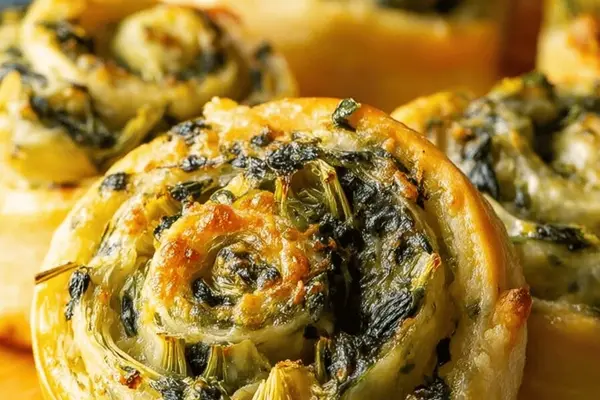
Spinach Artichoke Pinwheels
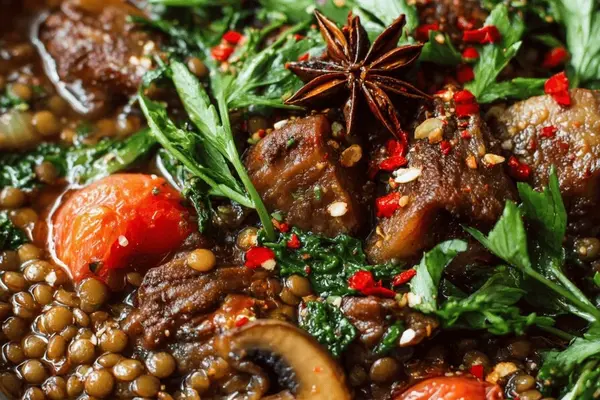
Spiced Lentil Beef Stew

Crispy Coconut Chicken Fingers
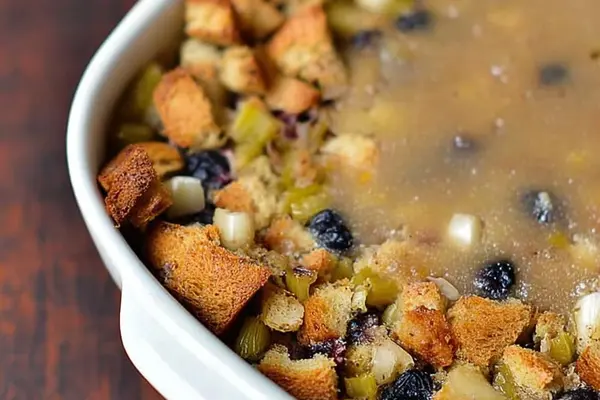
Chestnut Apple Dressing
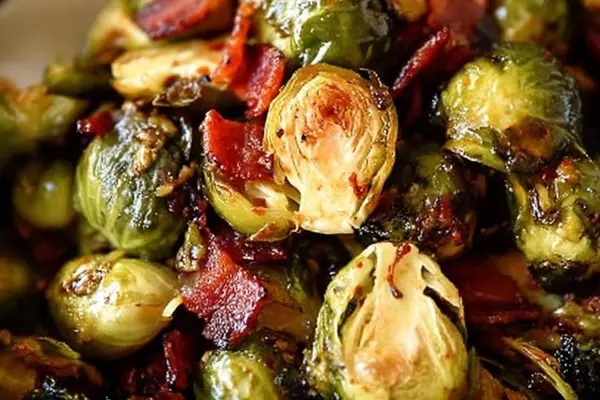
Roasted Brussels Sprouts Bacon Dressing

Peanut Soba Chicken

Iced Coffee Delight

Samoan Sweet Coconut Rolls
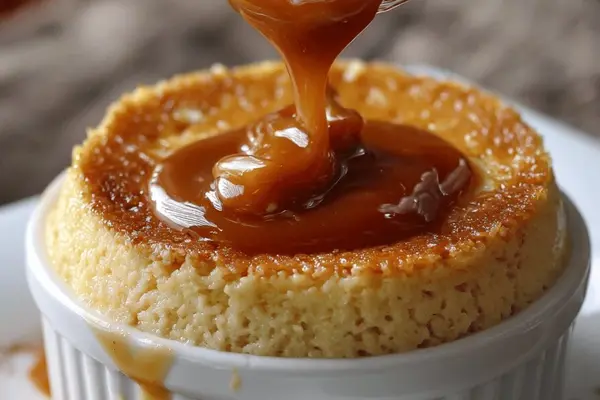
Sugar Cream Pudding Remix
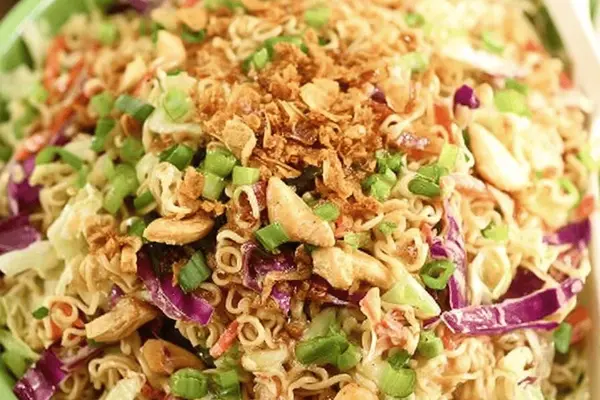
Toasted Crunchy Asian Slaw

Souffle Cheddar Omelette Maple Popcorn
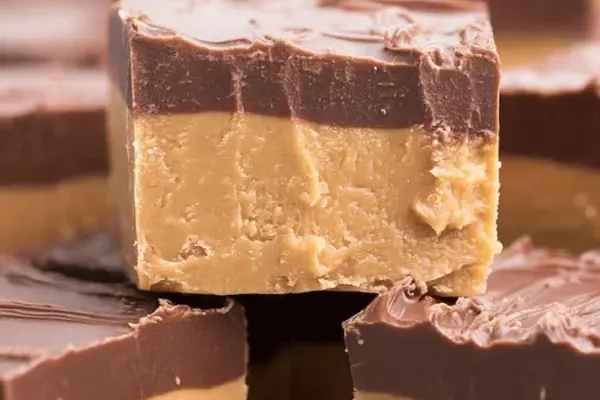
Chunky Peanut Butter Chocolate Fudge

Caramel White Chocolate Tangerine Tart