Yellow Cake Recipe with Buttermilk
E
By Emma
Certified Culinary Professional
•
Recipe tested & approved
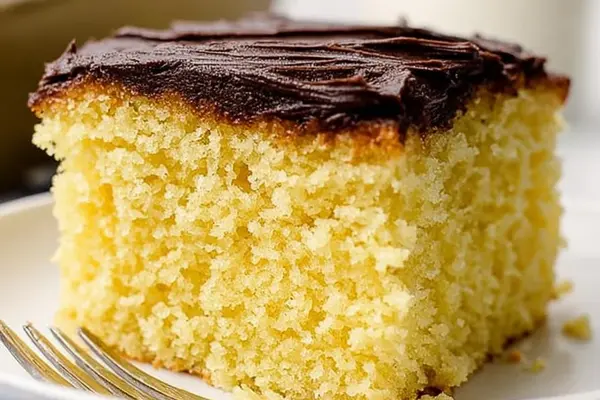
Tender yellow cake made with buttermilk, eggs, and vanilla. Soft crumb texture bakes evenly in a 9x13 pan. Moist, fluffy, and perfect for any occasion.
Prep:
12 min
Cook:
33 min
Total:
45 min
Servings:
12 servings
Cut the eggs into a bowl. Yolks separate. Whisk it with buttermilk and vanilla until nothing’s lumpy — that’s the whole thing. Takes 45 minutes total if you’re not slow. Twelve to prep, thirty-three in the oven. People think yellow cake is some complicated thing. It’s not.
Why You’ll Love This Yellow Cake
Tastes homemade because it is. That’s the whole point. Not from a box.
Comes out tender. Like actually tender. The buttermilk does that. The extra yolks too.
Takes 12 minutes to get ready. The oven does the rest.
Works for any dessert moment — birthday, Tuesday, when you just want cake. Comfort food that’s still impressive.
Leftovers get better. Stays soft. Moisture stays in it somehow.
What You Need for Homemade Yellow Cake
Two large eggs plus two yolks. The yolks make it richer. Skip them and it’s drier.
One and two-thirds cups buttermilk. Not regular milk. Buttermilk has tang. Regular milk won’t work the same.
Three and a quarter cups all-purpose flour. Nothing fancy. Unsifted first, then you sift it with the leavening.
One and three-quarters cups granulated sugar. That’s a lot. It’s supposed to be.
Baking powder and baking soda — one and a half teaspoons of powder, one and a quarter of soda. Both. Not one or the other. They work together. The soda reacts with the buttermilk’s acid. The powder gives extra lift.
Fine salt. A quarter teaspoon. Cuts the sweetness so you can actually taste the butter.
Half a cup unsalted butter, softened. Not melted. Softened at room temp. There’s a difference. And half a cup vegetable oil. Sounds weird with butter in there too. Keeps the crumb from getting tough.
How to Make Yellow Cake
Heat the oven to 345. Not 350. That’s specific for a reason — stays off the crust. Center rack. Grease a nine by thirteen pan with baking spray then dust it light with flour. Pat the edges dry if there’s extra sitting there. Dry edges matter more than you think.
Crack the eggs plus the yolks into a medium bowl. Whisk fast with the buttermilk and vanilla. One minute. Until it’s smooth and there’s nothing separated or lumpy just sitting there. Rest it for a second.
Sift the flour with baking powder, baking soda, and salt. This is not optional. It sounds boring but it makes the difference between a cake that’s even and one with dense spots. Pour that into another bowl and add the sugar. Mix on low speed for thirty seconds with a paddle. The paddle motion helps keep the sugar from clumping later. That’s the thing people don’t talk about — sugar pockets ruin it.
Add the softened butter chunk by chunk. Slow. Then the oil in a steady stream. Turn the mixer up gradually. After a minute it’ll look sandy and then creamy. That’s when you know it’s working. Switch to slow speed and add the liquid mix in three separate additions. Scrape the sides every time. Keep doing this until it’s all incorporated and the batter’s light and voluminous with no visible flour streaks.
How to Get Yellow Cake With the Perfect Tender Crumb
Stop mixing once you can’t see dry flour. Overmixing tightens the crumb. Tight crumb is bad.
Pour the batter into the prepared pan. Drop the pan on the counter three or four times to get air bubbles out. Don’t shake it side to side or you’ll get dense spots.
Bake thirty to thirty-five minutes. At the twenty-five minute mark jiggle the pan gently to check the center. Should feel slightly springy but set, like it’s almost there. Insert a toothpick near the center after thirty minutes. Moist crumbs on it. Never wet batter. If it’s wet, add three to five minutes and check again. Every oven’s different so just look at the cake, not the clock.
Cool it on a wire rack completely. Don’t skip this. A hot cake on the counter gets a soggy bottom. After fifteen minutes you can loosen the sides with a thin offset spatula if it’s stuck. Usually it’s fine though.
Yellow Cake Tips and Common Mistakes
The butter has to be softened. Cold butter won’t cream. Melted butter won’t work either — it gets greasy. Leave it out for an hour. That’s enough.
Buttermilk is not optional here. It’s not just for tang. It reacts with the baking soda and creates lift. Regular milk doesn’t do that.
Don’t open the oven before thirty minutes. Just don’t. The cake will fall. Wait.
If the top cracks, the oven’s too hot. Lower it to 340 next time. Cracking means the outside set too fast.
Storage is easy. Cover it on the rack once it cools. Room temperature for two days, no problem. After that wrap it or it gets stale. Freezes fine too — wrap it tight, goes three months easy.
Yellow Cake Recipe with Buttermilk
Prep:
12 min
Cook:
33 min
Total:
45 min
Servings:
12 servings
Ingredients
- 2 large eggs
- 2 large egg yolks
- 1 2/3 cups buttermilk
- 3 teaspoons vanilla extract
- 3 1/4 cups all-purpose flour
- 1 3/4 cups granulated sugar
- 1 1/2 teaspoons baking powder
- 1 1/4 teaspoons baking soda
- 1/4 teaspoon fine salt
- 1/2 cup unsalted butter softened
- 1/2 cup vegetable oil
Method
- 1 Heat oven to 345 F instead of 350 to avoid crust cracking. Rack center. Grease 9x13 pan with baking spray then dust lightly with flour. Pat edges dry if extra flour on sides. Set aside.
- 2 Crack eggs plus extra yolks in med bowl. Whisk fast with buttermilk and vanilla until smooth, about 1 minute. No lumps or separation. Rest.
- 3 Combine dry: sift flour with baking powder, baking soda, salt for uniform lift. Add sugar and mix with paddle on low speed for 30 seconds. This helps prevent sugar pockets.
- 4 Add softened butter chunk by chunk and oil in steady stream. Increase speed slowly so mixture creams evenly into dry. After 1 minute batter looks sandy then creamy. Switch mixer to slow, add liquid mix gradually in three additions scrapping sides often.
- 5 Once mixed, stop, scrape, continue beating medium speed 2 1/2 minutes until batter light, voluminous, no visible flour streaks. Avoid overmix to keep crumb tender.
- 6 Pour batter in prepared pan. Drop pan on counter 3-4 times to release trapped air. Don’t shake pan or batter will get dense spots.
- 7 Bake 30-35 minutes. Jiggle pan gently at 25 min mark to sense center wobble—should feel slightly springy but set. Insert toothpick near center after 30 min; moist crumbs, never wet batter. If too wet, add 3-5 min and check again.
- 8 Once done, remove from oven and cool on wire rack completely to prevent soggy bottom. Use thin offset spatula to loosen sides if necessary after 15 min.
Nutritional information
Calories
320
Protein
5g
Carbs
42g
Fat
15g
Frequently Asked Questions About Yellow Cake
Can I use regular milk instead of buttermilk? Not really. The buttermilk reacts with the baking soda. Regular milk won’t do that. You could mix regular milk with lemon juice and let it sit five minutes if you’re stuck, but it’s not the same.
What if I don’t have the extra egg yolks? The cake gets drier. Just use two eggs total and it’ll still work. Less rich though. Not worth trying to skip them if you have them.
How do I know when it’s actually done baking? Toothpick near the center. Moist crumbs on it, not wet batter. The top should feel springy when you press it lightly. Don’t go by color alone — ovens lie.
Can I make this as sheet cake instead of a nine by thirteen pan? Two nine-inch cake sheets would work. Split the batter between them. Bake might be twenty-five to twenty-eight minutes since they’re thinner. Check earlier.
Why do you use both butter and oil? The butter has flavor. The oil keeps the crumb tender and prevents it from tightening up. Butter alone gets dense. Oil alone tastes flat. Together they work.
How long does it last? Two days covered at room temperature and it’s still soft. After that it dries out unless you wrap it tight or freeze it. Freezes three months easy if you wrap it right.
What frosting goes with this? Chocolate frosting is the obvious choice. Vanilla buttercream works too. Whatever you want really — the cake’s neutral enough to take anything.
You’ll Love These Too
Explore all →
Steel-Cut Oats with Cinnamon & Orange Zest
Grapefruit Spritz with Aperol & Prosecco
Pizza Dough Recipe with Bread Flour
Dill Pickled Deviled Eggs Recipe
Amaretto Cherry Hazelnut Brownies Recipe
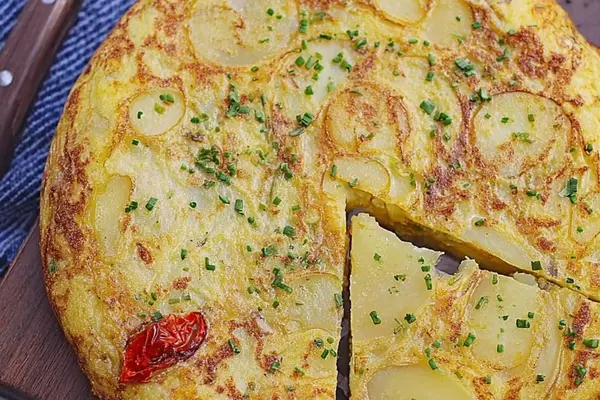
Spanish Potato Omelet with Manchego Cheese
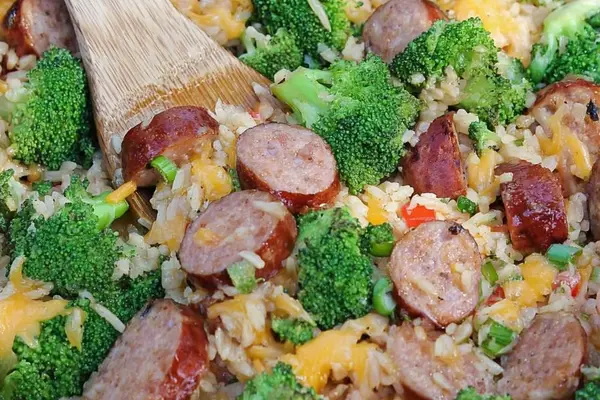
Cheesy Sausage Broccoli Skillet Recipe
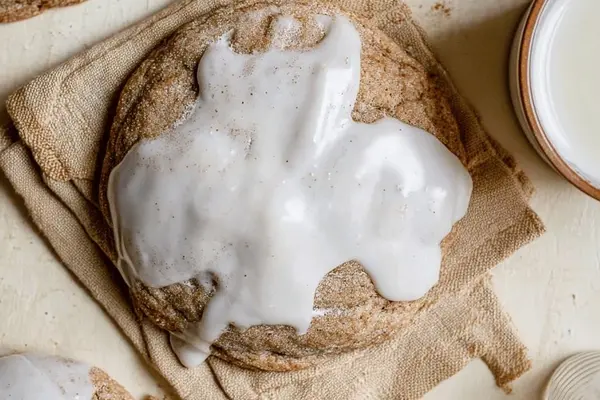
Ginger Cookies Recipe with Chai Spice
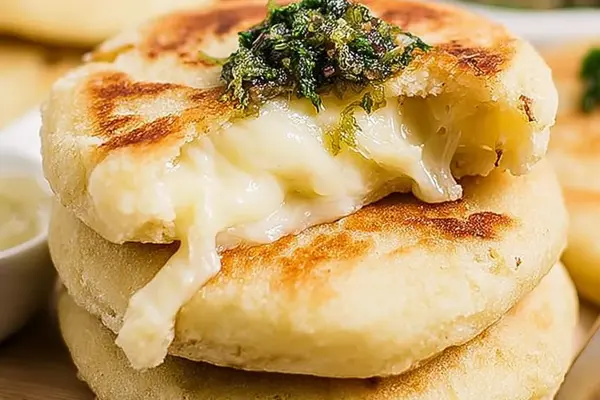
Cheesy Arepas with Cotija & White Cheddar
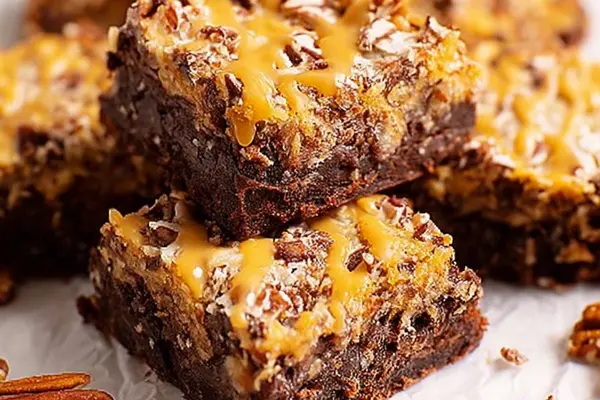
Brownie Recipe with Coconut Pecan Frosting
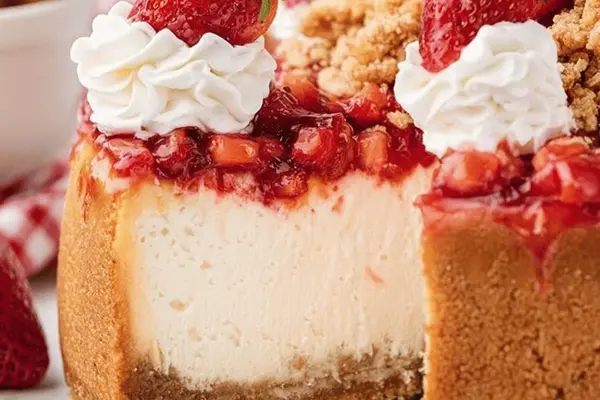
No Bake Cheesecake with Strawberry Oreos
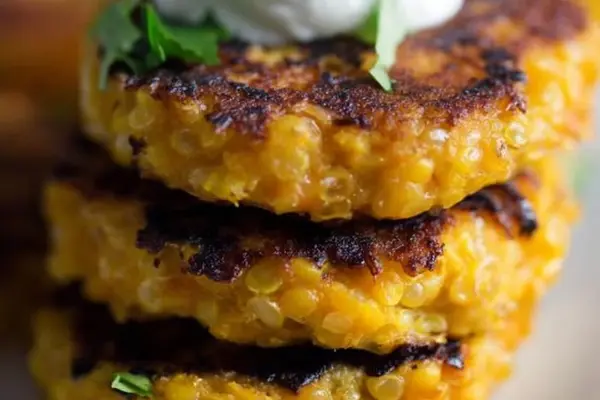
Butternut Squash Fritters with Couscous
Crunchy Quinoa Oat Bars with Pistachios
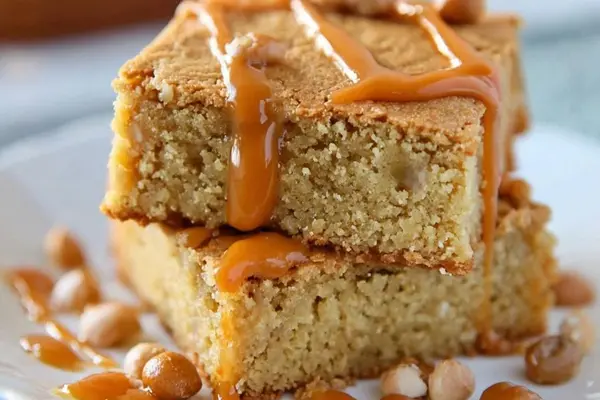
Salted Caramel Blondies with Butterscotch
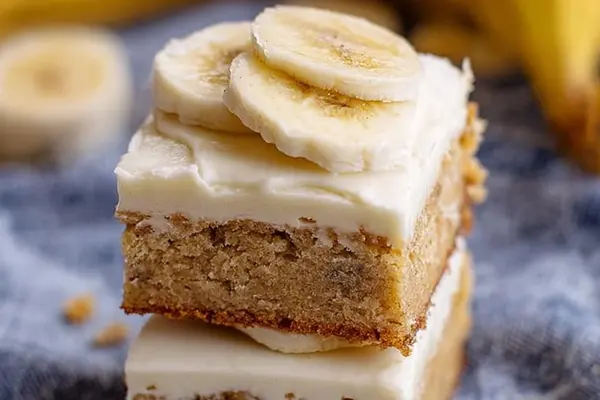
Banana Blondie Bars with Cream Cheese Frosting
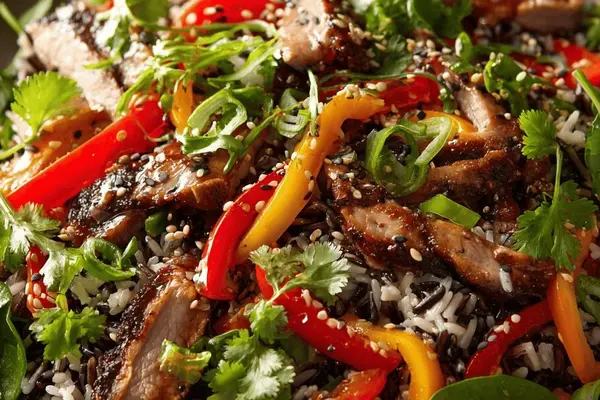
Grilled Pork Chops with Wild Rice & Sesame
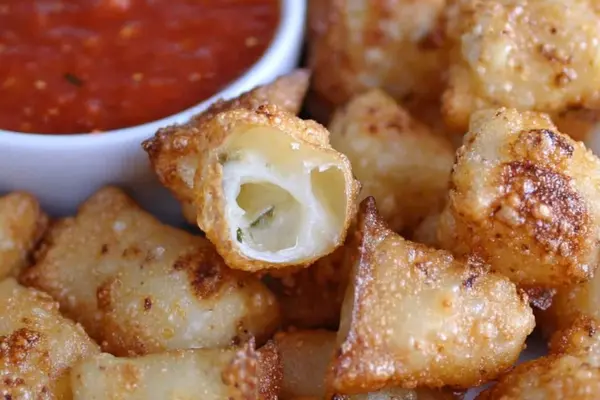
Cheesy Chile Relleno Bites with Wonton Wrappers
Vietnamese Spring Rolls with Pork
Strawberry Cake With Strawberries