Make Ranch Dressing with Lemon & Lime
By Emma
Certified Culinary Professional
·
Recipe tested & approved
Grab a bowl. Lemon, lime, orange juice — it’s citrus but not in a sweet way. This isn’t ranch. Not even close. It’s what happens when you stop pretending vinaigrette needs cream and butter to work. Had a salad situation once, nothing in the fridge except fruit and oil. This happened.
Why You’ll Love This Homemade Salad Dressing
Takes twelve minutes. No blender required, though one helps. Works on literally anything — greens, grilled vegetables, cold chicken marinated overnight, even roasted tofu. Tastes bright without being acidic in a way that burns your mouth. The citrus just sits there. Lasts two days in the fridge. Maybe three if you’re not picky. Shallots give you texture. Pop between your teeth. Not a smooth situation.
What You Need for Citrus Oil Vinaigrette
Lemon. Fresh. Not from a bottle. The zest matters more than the juice. Lime. Same deal. Zest and juice both. Orange juice. Two and a half tablespoons. Not concentrate. The actual juice. White wine vinegar. A quarter cup. Not rice vinegar, not apple cider. This one’s dry. Maple syrup. A tablespoon. Replaces honey because honey tastes floral sometimes. Maple doesn’t. Coarse sea salt. Quarter teaspoon. The salt you can feel. Table salt disappears. Extra virgin olive oil. Half a cup. Matters. Budget stuff tastes like nothing. Minced shallot. A quarter cup. Slice thin. You’re not making soup.
How to Make Lemon Oil Vinaigrette
Grab a medium bowl. Lemon zest goes in first — the yellow part, not the white pith underneath. Then juice it. Lime next, same thing. Zest. Then juice. You’ll smell it already. That sharp smell. That’s how you know it’s right.
Pour orange juice in. More than you think you need. Splash past the two and a half tablespoons if the mood hits. It rounds everything out, makes it less aggressive. White wine vinegar next. Watch the bowl. The color shifts. It gets brighter somehow.
Maple syrup. Just pour it in. It’ll sit on top for a second before it dissolves. That’s fine.
Salt goes in now. Coarse sea salt. Pinch it between your fingers first — feel the texture. Then add it to the bowl. This is the part most people skip and regret later. Table salt is too fine. It vanishes. You lose the salt taste and end up adding too much.
How to Get the Texture Right
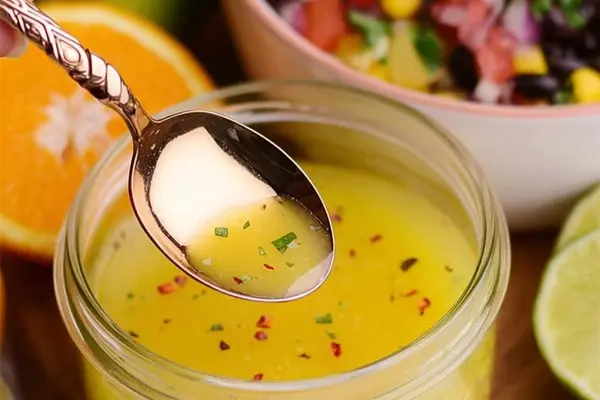
Whisk it hard. Twenty seconds, maybe thirty. Watch the salt disappear into the liquid. The mixture should look a little milky from the zest particles floating around — that’s oil from the citrus peel. That’s what you want.
Now the oil. This is where it either works or breaks. Pour it slowly. Like really slowly. Whisking the whole time. If you have an immersion blender, use that instead — faster, more stable. The oil should disappear into the vinegar. If it pools on top, you poured too fast. Slow down. It’ll come together.
Once it’s combined, stop. Fold in the shallot. Don’t whisk it to death. You want shards. Pieces. Something that pops when you bite it.
Let it sit five minutes. Room temperature. The flavors get softer. Less harsh. The lemon stays bright though.
Lemon Vinaigrette Tips and Common Mistakes
Separated when you opened the fridge? Shake it. Or whisk it again. Honestly, either way works.
Tastes too acidic? You didn’t add enough oil or the shallot isn’t minced fine enough — the shallot mellows it slightly. Try the vinaigrette on something fatty first, like avocado or grilled salmon. Acid needs fat to calm down.
Too bland? Salt. It’s always salt. Add a pinch. Taste again. Repeat.
Using it as a salad dressing for greens? Use less. A tablespoon per handful. It’s concentrated. Two days maximum in the fridge. After that the zest settles and tastes bitter.
Marinating chicken or tofu overnight with this? Double the recipe. The flavors dilute as the protein releases water. And actually tastes better cold. The citrus oil coats everything. Some people do a whole Caesar salad homemade situation but with this instead of the cream — works.
Trying to use dried lemon? Don’t bother. Tastes like nothing.
Make Ranch Dressing with Lemon & Lime
Prep:
12 min
Cook:
0 min
Total:
12 min
Servings:
4 servings
Ingredients
- 1 fresh lemon, zested and juiced
- 1 fresh lime, zested and juiced
- 2 1/2 tablespoons orange juice
- 1/4 cup white wine vinegar
- 1 tablespoon maple syrup
- 1/4 teaspoon coarse sea salt
- 1/2 cup extra virgin olive oil
- 1/4 cup minced shallot
Method
- 1 Grab a medium bowl. Toss in lemon zest and juice, lime zest and juice. Hear that sharp citrus scent hitting your nose? Good.
- 2 Pour orange juice next, a splash more than usual; adds a rounder, sweeter tang.
- 3 Add white wine vinegar. Watch the citrus mix start to brighten the bowl visually.
- 4 Maple syrup replaces honey here — earthy, smooth, avoids floral notes that sometimes overpower.
- 5 Season with sea salt coarse enough to feel textured between fingers. No table salt here; it dulls brightness.
- 6 Whisk vigorously until salt dissolves and mixture looks homogenous but slightly opaque from zest oils.
- 7 Now the magic—pour olive oil very slowly while continuously whisking or use immersion blender for speed and stable emulsification.
- 8 If oil pools up, slow down. The vinaigrette might break. No disaster, just remix while whisking aggressively or re-immerse blender.
- 9 Once combined, fold in minced shallot. Avoid pulverizing — want shards that pop with every bite.
- 10 Let it rest five minutes at room temperature. Aromas mingle; harsh edge softens but acidity remains lively.
- 11 Use immediately or refrigerate up to 2 days. If separated, shake or re-whisk before serving.
- 12 Try on grilled zucchini, tomatoes charred black at edges, or a pile of fresh arugula. Also good marinated overnight in cold fridge for chicken or tofu.
Nutritional information
Calories
180
Protein
0.3g
Carbs
4g
Fat
20g
Frequently Asked Questions About Homemade Salad Dressing
Can you use bottled lemon juice instead of fresh? No. The difference is real. Bottled tastes like plastic. Fresh takes two minutes to squeeze.
What if you don’t have white wine vinegar? Apple cider works. Rice vinegar is too soft. Red wine vinegar makes it darker and slightly sweeter. Just not the same.
Can you make this ahead? Twelve minutes. It’s faster to make fresh. But yeah, two days in a jar. Shake before using.
Does this work on hot vegetables? Better on cold or room temperature. Hot wilts the shallot and the citrus oils cook off. Try it poured over warm roasted zucchini though — absorbs differently.
How long does the dressing last in the fridge? Two days easy. Three if you’re not eating much of it. The zest starts tasting bitter after that.
Can you substitute the maple syrup? Honey works but tastes different — more floral. Agave is too neutral. Sugar dissolves but doesn’t add anything. Maple’s the move.
What’s this actually for? Grilled vegetables. Greens. Cold protein marinated overnight. Even bread if you’re doing that. Not really a ranch salad dressing recipe situation — it’s an olive oil dressing for things that need brightness. Totally different than buttermilk ranch salad dressing, which is creamy. This stays clean.
You’ll Love These Too
Explore all →
Banana Pudding Pie with Nilla Wafers
Barbeque Sauce Recipe with Ancho Chili
Pasta Tomato Sauce Tuna with Capers

Air Fryer Apple Pudding in Ramekins

Air Fryer Goat Cheese Salad with Kale
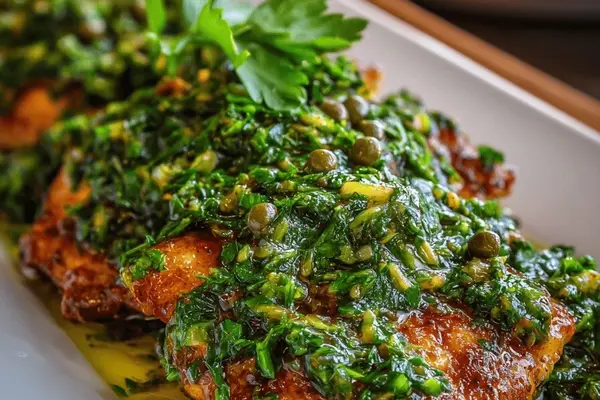
Parsley Vierge Sauce Remix with Cilantro
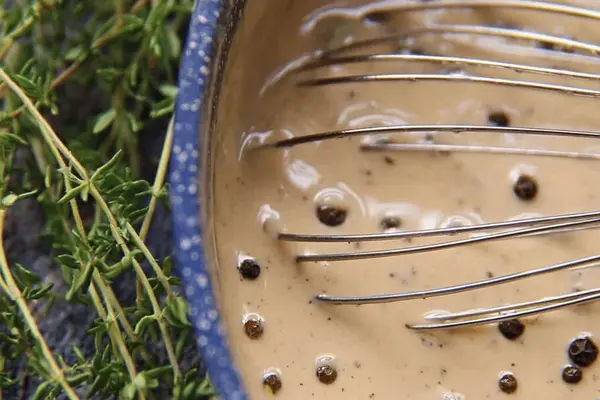
Peppercorn Cream Sauce with Whiskey
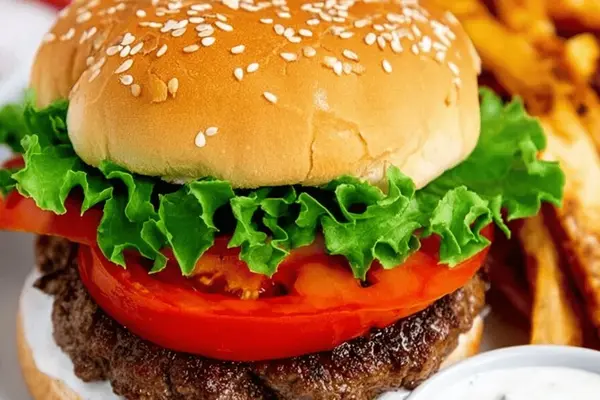
Ranch-Seasoned Burger Recipe with Ground Chuck

Homemade Apple Pie with Lattice Crust

Veal Marsala: Tender Meat & Creamy Sauce

Chocolate Chip Cookie Ice Cream Sandwiches
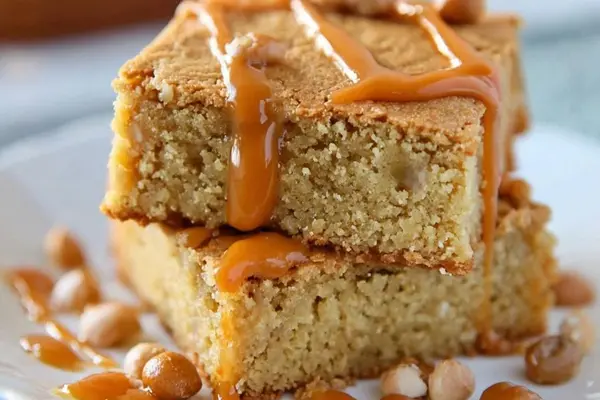
Salted Caramel Blondies with Butterscotch
Pork Tender Loin Recipe with Honey Garlic
Maple Curry Pork Chops with Roasted Squash

Air Fryer Tofu Sandwich with Vegan Cheddar
Melon Banana Smoothie with Peach & Coconut Water

Meals With Leftover Turkey Quesadillas
Grilled Cheese Sloppy Joe with Ground Beef
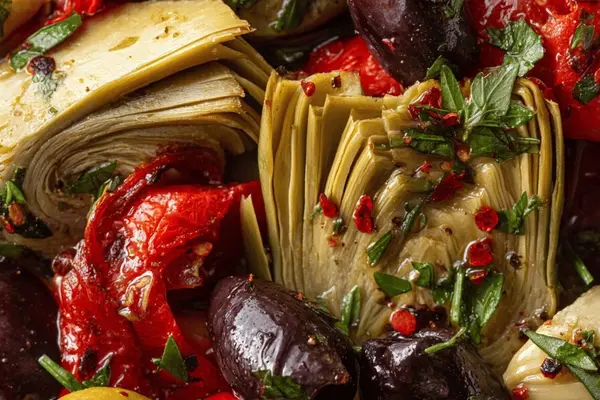
Bell Pepper Bruschetta with Olives