Zesty Cream Cheese Coffee Cake
E
By Emma
Certified Culinary Professional
•
Recipe tested & approved
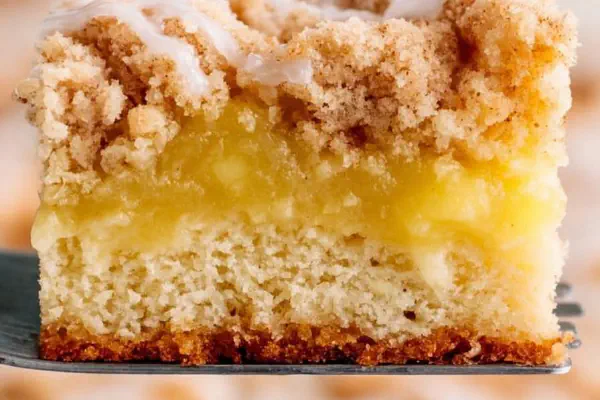
A lemon-cream cheese layered coffee cake with thick batter and a crumbly cinnamon topping. Combines flour, buttermilk, and double layers of fillings sealed inside. Baked till center sets but don’t overbake or dry out. Topped with powdered sugar glaze to cut richness. Uses both baking soda and powder for lift, plus cornstarch for tenderness. Balances brown and white sugar for depth and sweetness. Finished with a dusting of cinnamon-sugar crumble for texture contrast. Adjust ingredient quantities slightly to tweak density and tang. Oven temp and timing can vary by a few minutes; rely on jiggle and color cues rather than clock alone. Watch edges for early browning. Makes about a dozen servings hefty on fat and sugar, so share or halve if worried.
Prep:
30 min
Cook:
1h 15min
Total:
1h 45min
Servings:
12 servings
#American
#coffee cake
#lemon
#cream cheese
#baking tips
#dessert
#cinnamon topping
Before You Start
Strong butter and cream cheese base. Thick batter hard to spoon out—stiff yet creamy. Brown and white sugars balance sweetness and moisture. Dry mix split in thirds; add buttermilk gradually for tender crumb while avoiding overmixing, a recipe killer. Lemon filling hides inside; it can ooze and burn if you’re sloppy. Cream cheese topping adds tang and richness; don’t spread wildly so cake layers stay. Crumble topping crunches, baked just so to avoid greasy puddles. Glaze finishes sharp, but choice amount matters—too much turns it runny, too little dulls brightness. Adjust oven temp down a few degrees. Watch edges brown first, shield if needed. Learn batter feel, risen color, and jiggle test over clocks. If kitchen hot, batter softens fast—work quickly. I’ve tampered with lemon content, always go bold but contained. Texture has to balance rich and airy. Crisp crumble parts contrast creamy layers. This is a cake you trust your eyes and hands on, not a timer.
Ingredients
Cake
- 1 cup unsalted butter softened
- 8 ounces cream cheese softened
- 3/4 cup packed light brown sugar
- 1/2 cup granulated sugar
- 2 large eggs
- 1 tsp vanilla extract
- 2 cups all-purpose flour
- 3/4 tsp baking soda
- 1 tsp baking powder
- 2 tbsp cornstarch
- 1/2 tsp salt
- 1 cup buttermilk
Lemon Filling
- 1/2 cup lemon curd (store-bought or homemade lemon marmalade works too)
Cream Cheese Filling
- 8 ounces cream cheese softened
- 1/3 cup granulated sugar
- 1 egg
- 2 tsp lemon zest
- 1 tbsp fresh lemon juice
Crumble Topping
- 3/4 cup all-purpose flour
- 1/4 cup packed light brown sugar
- 2 tbsp granulated sugar
- 1 tsp ground cinnamon
- 6 tbsp unsalted butter melted
Glaze
- 3/4 cup powdered sugar
- 1 to 2 tbsp milk
In The Same Category · Desserts
Explore all →
Red Velvet Cupcakes Remix
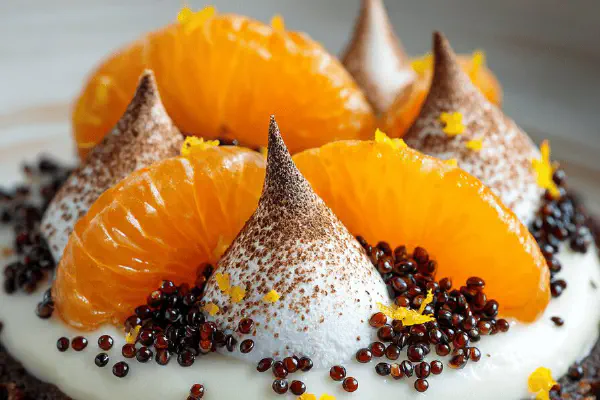
Caramel White Chocolate Tangerine Tart
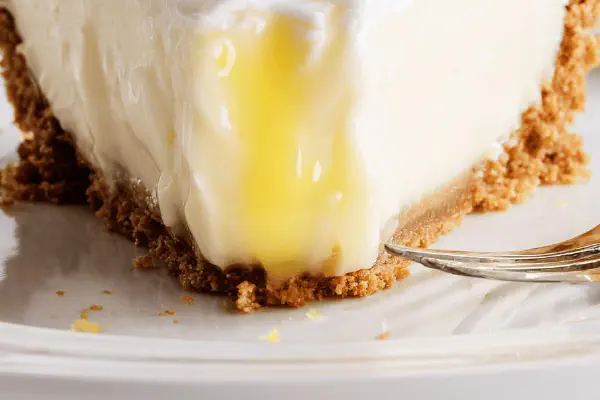
Lemon Cream Cheese Pie
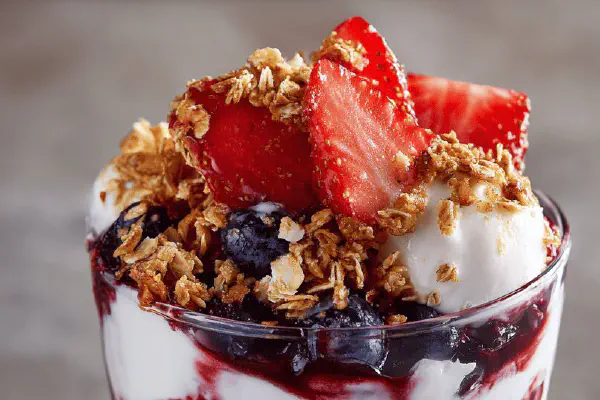
Twisted Fruity Sundae Brunch
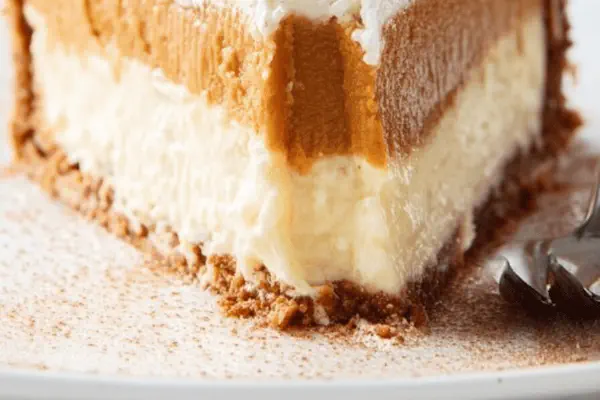
No-Bake Pumpkin Pie
Chocolate Peanut Butter Cake
Cinnamon Crunch Cookies
Coconut Cream Pie Bites
Vanilla Cream Fudge
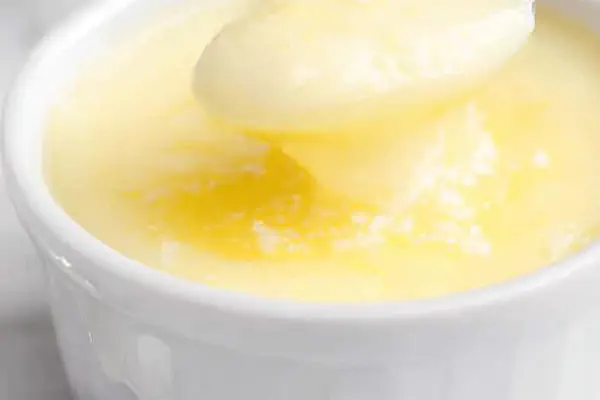
Velvety Custard Twist
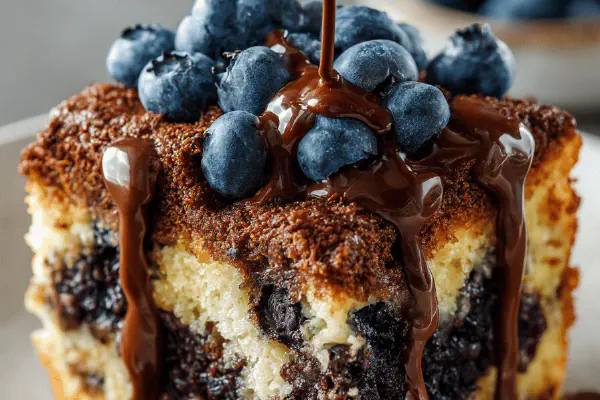
Chocolate Blueberry Pudding Cake
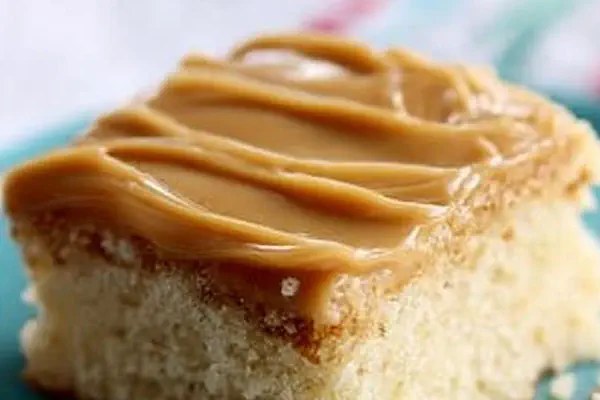
Caramel Sheet Cake Twist
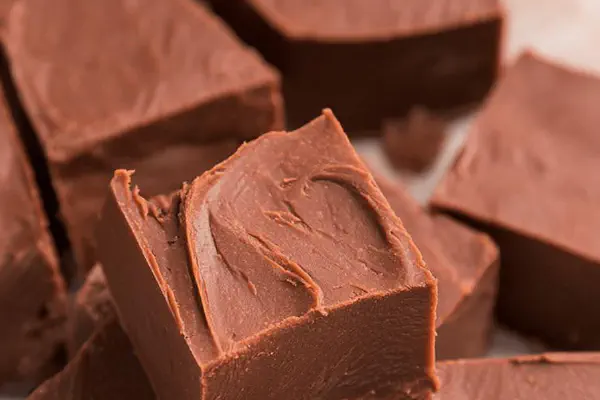
Quick Chocolate Fudge
Eggnog Chai Cheesecake
Tangy Buttermilk Pound Cake
Crunchy Apple Fritters
German Chocolate Brownies Remix
Chunky Brownie Bites

Melted Snowman Cookies
Candy Cane Lush Remix
About the ingredients
Butter and cream cheese must be softened; cold fats wreck texture and cause uneven mixing. Brown sugar adds moisture, white sugar for sweetness—the combo prevents dense cake. Flour blend has cornstarch; provides tenderness usually from cake flour substitution. Baking powder and baking soda together because acidic lemon and buttermilk demand balanced leavening. Buttermilk can be swapped with yogurt but note batter thickness. Lemon curd can be tricky—homemade or jarred vary in thickness, watch for spreading. If too runny, add cornstarch and simmer to thicken, cool before layering. Cream cheese filling includes fresh zest and juice; fresh zest gives bright lemon aroma not found in extracts, very worth it. Cinnamon in crumble gives little warmth amidst citrus tang. Melted butter binds crumble; don’t skip or topping falls apart. Powdered sugar glaze only needs minimal milk—adding too much thins glaze and it slides off. Try vanilla or almond milk in glaze for subtle fragrance twist. Ingredient swaps can shift taste and texture aggressively. Always weigh pancakes or cake batter if unsure. Store leftovers well sealed to keep crumble crunchy.
Method
Cake Preparation
- Heat the oven to 345°F instead of 350 to avoid crust overbrowning. Grease either a glass 10x15-inch pan or a deep-sided 9x13-inch metal one. The glass will slow baking; adjust times accordingly.
- Cream butter and 8 ounces softened cream cheese together for 2-3 minutes until very creamy—this step crucial for smooth batter. Then add brown and white sugar; beat till fluffy but not grainy, about 2-3 minutes more. Use a paddle attachment or hand mixer at medium speed to avoid overworking.
- Incorporate the two eggs one at a time, beating until just combined. Add vanilla extract; mix gently.
- Whisk flour, baking soda, powder, cornstarch, and salt in a separate bowl. Dry blend ensures even rise and tenderness from cornstarch. Add a third of this dry mix to wet batter, beat lightly, then half the buttermilk. Repeat with another third of dry and remaining buttermilk, then fold in the last dry portion carefully. Overmixing toughens cake—stop as soon as no flour pockets remain.
Layering Cake and Fillings
- Spoon half the thick batter into the pan. Use an offset spatula to get flat, even layer. Spread lemon filling over it but leave roughly 3/4-inch from the edges—important. If lemon seeps out, it chars during baking, turning bitter and unsightly.
- Top lemon filling with remaining batter, scooping from outer sides inward to contain lemon layer and prevent mixing. If batter resists smoothing on top, gently tap pan on counter to level.
Cream Cheese Filling Layer
- Whip together softened cream cheese, sugar, egg, lemon zest, and juice until uniform and soft but not runny. Spread this over top batter evenly. Should form distinct creamy topping.
Crumble Topping
- Combine flour, both sugars, and cinnamon. Pour in melted butter; stir with fork until mixture looks crumbly with no flour patches. If topping feels too dry, add a teaspoon more melted butter. Scatter generously over cream cheese layer.
Baking and Doneness
- Bake 60-75 minutes. After first 25 minutes, tent foil loosely atop cake to prevent too-dark crust. Glass pans hold heat differently; look for light golden edges and center that no longer jiggles if you give pan a gentle shake. Insert toothpick for moist crumbs, but not wet batter. Dense batter takes time; resist opening oven too often or it will sink.
- Let cake cool completely before glazing—warm glaze will slide off.
Glaze
- Mix powdered sugar with milk until drizzling consistency not too runny; drizzle in thin ribbons. Use less milk if glaze spreads too fast or disappears into cake.
- Chill glaze slightly but serve cake room temp. Keeps well covered in fridge for 2-3 days.
Pro Tips/Variations
- Substitute Greek yogurt for buttermilk (same volume) if out—adds tang and moisture, but batter thickens, adjust with splash water.
- Cream cheese in cake can be swapped for mascarpone for richer taste and less tang.
- If lemon filling too runny (store-bought curd varies), mix with 1 tsp cornstarch and heat to thicken before using.
- Overbeating eggs makes cake rubbery; add slowly and fold last flour carefully.
- For crunch, add chopped toasted pecans or almonds into crumble topping.
- Use glass thermometer probe if worried about doneness; internal temp should reach ~205°F for custardy center.
- If edges brown too fast, lower oven temp by 10-15 degrees and extend bake. Avoid opening door often; steam loss dries out crumb.
- To fix cracked top, sprinkle moisture with tiny splash water and cover loosely with foil after 40 minutes baking.
Cooking tips
Start with room temperature ingredients for easy mixing, makes cream cheese and butter whip smooth without lumps. Beat butter and cream cheese separately first if needed. Add sugars gradually to avoid grainy batter. Eggs last added one by one for smooth incorporation. Dry mix hand-sifted or whisked together before adding gradually to prevent clumps. Alternate dry and liquid mix-ins gently folded to prevent gluten overdevelopment. Pour batter thick, spread with offset spatula, not spoon; thick batter resists smoothing. Lemon filling layer delicate—too thick and cake will crack, too thin runs off. Spread carefully and leave space near edges to avoid burning acids on pan edges. Use spatula tapping and scooping from edges in for top batter. Cream cheese filling is the final sticky layer; use room-temp ingredients to avoid lumps or curdles. Crumble topping mixed till flour fully coated with butter; watch for dry patches. Sprinkle unevenly but fully. Bake 60-75 minutes, use visual clues: golden crust edges, set but custardy middle, no jiggle. Tent with foil after 20-30 minutes to prevent over-browning but allow rise. Cooling is crucial; hot cake plus glaze equals runny mess. Drizzle glaze in slow motion over cooled cake. Useful tip: crack cake edges fixed by gentle mist with water and foil tent late bake. Use smell and color, not just timer. Practice layering for neat slices.
Chef's notes
- 💡 Butter and cream cheese must be softened really well. Cold chunks wreck batter texture—clumps, uneven rise. Mix sugars gradually. Brown sugar keeps moisture; white sugar adds sweetness. Beat eggs slow, one at a time, or batter gets rubbery. Dry ingredients folded gently to not overdevelop gluten; stop when no flour pockets visible—no more. Use glass or metal pan adjusts bake times; glass slows heat, watch edges often. Temperature 345°F works better than 350°. Tent foil after 25 minutes to avoid crust burn but allow rise. Batter thick, won’t spread itself; offset spatula and tapping needed for smooth layers.
- 💡 Layer carefully. Lemon filling is acid and burns on edges if it seeps out. Leave 3/4-inch gap to sides—important detail I overlooked before. Pour half batter, spread gently, then spoon lemon filling. Top with remaining batter scooped from outer sides inward to seal lemon in. Cream cheese topping spread last, make sure ingredients room temp to avoid lumps or curdling. Crumble needs melted butter incorporated evenly; dry spots mean crumbly mixture falls apart baked. If crumble looks dry, add a teaspoon melted butter. Top cake generously but not packed tight; texture contrast is key here.
- 💡 Use jiggle test over timer. Center should have slight wobble but no liquid batter when shaken gently. Toothpick must come out with moist crumbs, not raw batter. Oven temps vary, environment changes; hot kitchen softens batter fast—work quickly. Wait for cake to cool fully before glazing or glaze will slide off—warm cake and glaze don’t combine well about runny mess. Powdered sugar glaze mixed to drizzling consistency; too much milk ruins it. Vanilla or almond milk work fine if dairy not handy. Chill glaze in fridge briefly, but serve cake at room temp to keep topping crisp and glaze stable.
- 💡 Try switching out buttermilk for Greek yogurt same volume; batter thickens so add splash water to loosen if needed. Mascarpone can replace cream cheese in cake layers if richer, less tang preferred. Lemon filling thickness varies wildly store-bought; if runny, stir in 1 teaspoon cornstarch and gently heat to thicken, cool before layering. Overbeating eggs ruins texture causing rubberiness; fold dry carefully last. Adding nuts toasted pecans or almonds in crumble adds crunch but mix dry for even baking. If edges brown too fast, lower oven 10-15 degrees and extend bake time—no shortcuts. Use probe for internal temp near 205°F for custard-like center but rely mostly on visual cues.
- 💡 If cake top cracks open—common issue—mist surface lightly with water and cover loosely with foil after 40 minutes baking. Keeps humidity and prevents further cracking. Glass pans require adjustment; monitor edges closely, they brown first. Learn batter feel—thick, creamy, not runny or stiff. Watch color changes, not clock alone. Let glaze drip in thin ribbons, never pour. Try vanilla milk in glaze for subtle aroma tweak. Store leftovers well sealed to keep crumble crunchy. Crumble topping and glaze need care, flour fully coated and glaze thin enough to hold on but not saturate.
Common questions
How soft should butter and cream cheese be?
Room temp but not melted. Too cold causes lumps, uneven mixing. If too warm, it gets greasy. Soft means soft to finger press, no chunks. Helps smooth buttery batter. Chill fixes if too soft—pop in fridge shortly.
Why add baking soda and powder?
Balance acidic lemon and buttermilk. Soda reacts quickly, powder gives extra lift slow. If only one used, cake falls or tastes off. Both improve rise and crumb. Skip or swap at your own risk.
What if lemon filling runs out edges?
Burns and chars, bitter taste. Leave 3/4 inch gap at edges, gentle scoop not to smash lemon in sides. If too runny, thicken with cornstarch before layering. Experiment with thickness.
Best way to store leftovers?
Cool completely first. Cover tightly to avoid drying crumb. Fridge keep crumble crunchy 2-3 days but can soften glaze. Freeze NOT great; crumble texture suffers. Warm before serving for softness.
You’ll Love These Too
Explore all →
Cinnamon Brioche Buns
Maple Citrus Salmon
Peanut Butter Cup Cookies
Vibrant Blueberry Spinach Shake
Strawberry Sheet Cake Remix
Swiss Chard Bacon Quiche
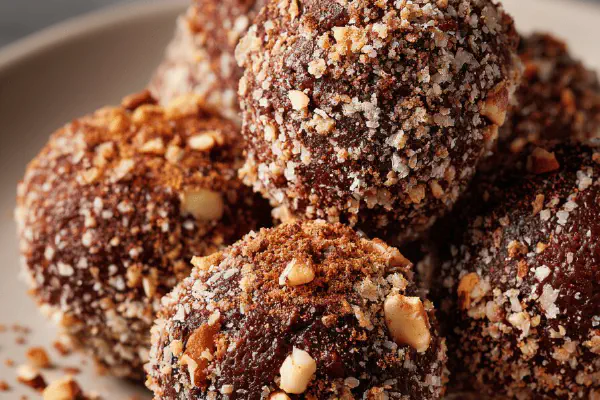
Crunchy Cocoa Bites
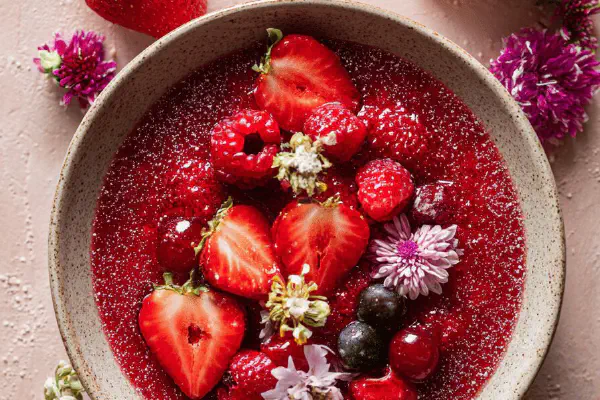
No-Cook Strawberry Jam

Twisted Ahi Tuna Poke
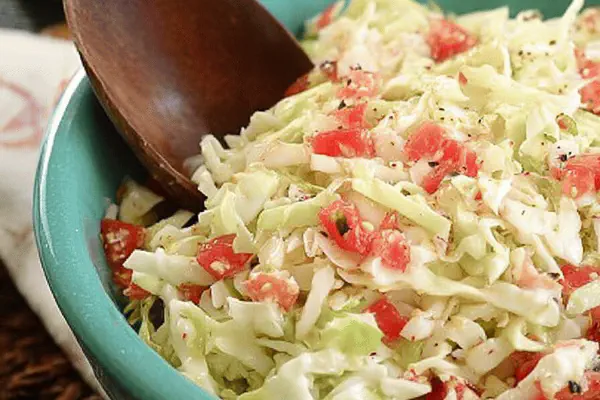
Spicy Pepper Slaw
Caramel White Chocolate Tangerine Tart
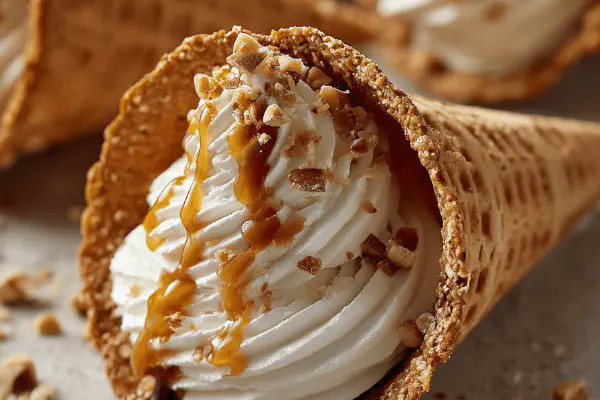
Mini-Caramel Cornets
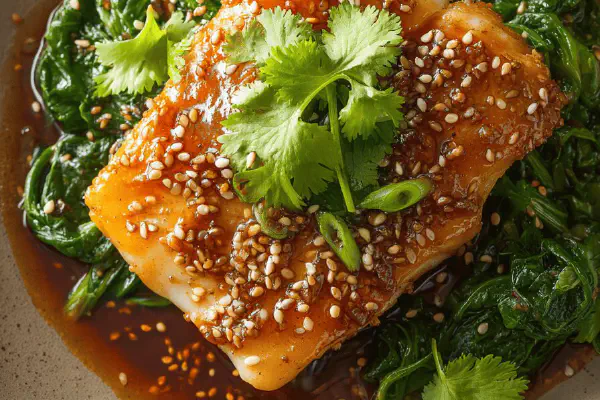
Haddock Apricot Glaze
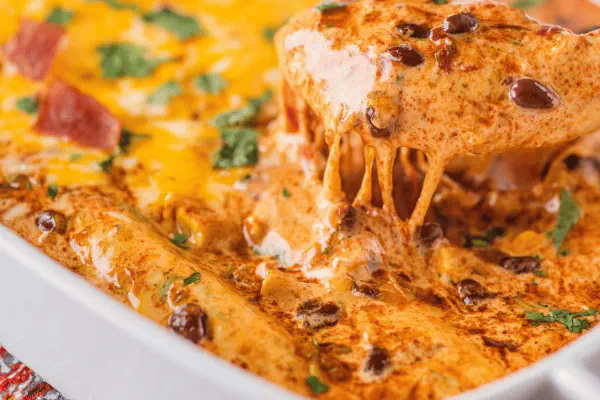
Spicy Slow Beef Cheese Dip
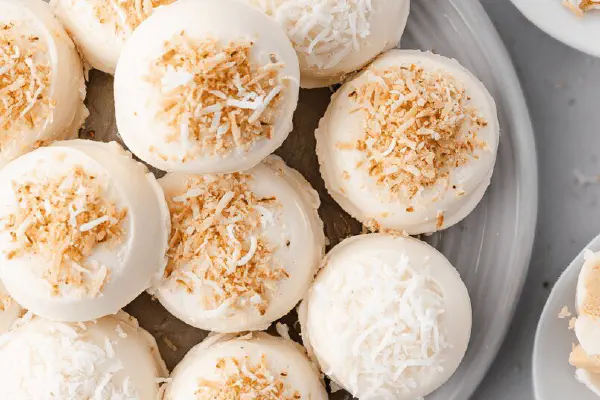
Coconut Cheesecake Bites Remix
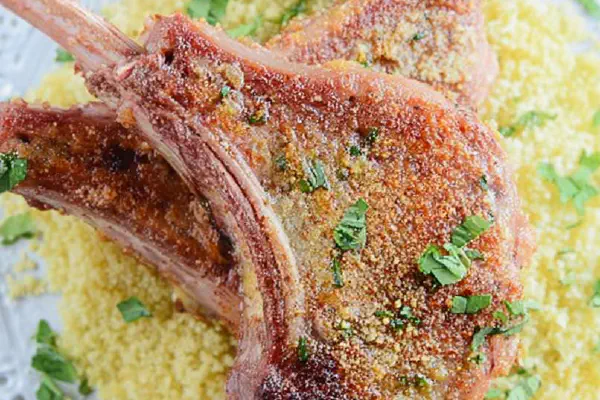
Cheesy Garlic Crusted Lamb
Sugar Cream Pudding Remix
Stuffed Zucchini Gratin
Pimento Cheese Deviled Eggs
Mini Cucumber Circles