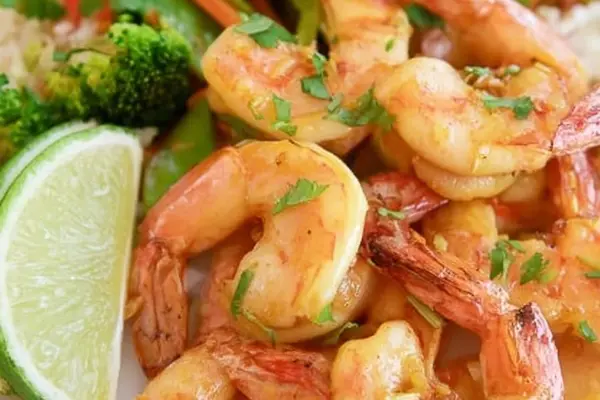
Soy Lime Shrimp Recipe with Ginger
By Emma
Certified Culinary Professional
·
Recipe tested & approved
Pan-seared shrimp in soy sauce and lime juice with fresh ginger and garlic. Quick, easy recipe with bold Asian flavors ready in minutes.
Prep:
35 min
Cook:
6 min
Total:
41 min
Servings:
4 servings
Pound the shrimp dry first—wet ones steam instead of sear. Mix the marinade while your skillet heats. Forty-one minutes total, and most of that’s just sitting.
Why You’ll Love This Easy Shrimp Dinner
Takes 6 actual minutes to cook. The 35 minutes is prep and marinating, which you do while doing literally anything else. Works as an easy dinner on weeknights when you need something that tastes like you tried but didn’t. Cold the next day. Even better, honestly. The citrus sits and gets sharper. No pasta, no rice, no sides needed—eats straight from the pan if that’s what you’re after. Asian flavors without the restaurant markup. Ginger and garlic and lime do the work.
What You Need for Easy Shrimp Recipes
A pound of raw shrimp—peeled and deveined already. Frozen is fine. Thaw it in cold water, not the counter. Soy sauce. Regular soy sauce. Not low-sodium. The salt matters. Vegetable oil. Not olive. Doesn’t smoke as fast, stays out of your way. Ginger. Fresh ginger. Peel it or don’t—the skin goes soft anyway. A tablespoon, finely grated. Garlic. Three cloves. Minced. Bigger pieces turn bitter in the pan. Lime juice. Fresh. Bottled goes flat and tastes like nothing. Brown sugar. Light brown. A tablespoon and a half. It rounds out the salt. Cooking spray. So nothing sticks.
How to Make Easy Shrimp Recipes
Medium bowl. Dump the shrimp in. Pour the soy sauce over—all of it. Add the oil next, then the ginger. Minced garlic goes in. Lime juice. Brown sugar last. Stir it. Really stir it. Every shrimp needs to be slick with marinade, not just touching the bottom of the bowl. Stir again at the halfway mark—six minutes in. The shrimp soaks it up. Let it sit. Twelve minutes minimum. More is fine. The flavors move into the meat while it rests. Don’t skip this. Set your skillet to medium-high. Medium-high, not high. High and the outside burns before the inside’s done.
How to Get Shrimp Perfectly Cooked
Spray the pan. Not a lot. Just a light coat. One second of spray. Shake the excess marinade off each shrimp before it hits the pan—too much liquid and they boil. Reserve what drips back in the bowl though. You’ll need it. Listen. When the shrimp hits the hot pan, it should crackle and pop. That sound means the heat’s right. Two and a half minutes on the first side. Don’t move them. Let them sit and get color. Flip. Two and a half minutes on the other side. Watch for the curl. When the tail curves tight like a spiral, they’re done. Translucent gray turns opaque pink—that’s your signal. The outside should feel firm when you poke it. Not hard. Firm. Push it and it gives just slightly. Pull them off heat the second they’re done. One extra minute and they get rubbery. That’s the line. Right there. Pour whatever marinade’s left in the bowl over the finished shrimp. Stir it around. The heat cooks it fast and coats everything.
Shrimp Dinner Ideas and Tips
Don’t use frozen shrimp that’s already cooked. It goes from done to rubbery in seconds. The marinade doesn’t need rest time on the shrimp—it cooks on the pan. The 12 minutes just helps the salt penetrate the meat. Thaw shrimp in cold water, never hot. Takes 15 minutes. Hot water starts cooking it and makes the texture weird. Serve it over greens if you need dinner dishes to feel like dinner. Or on toast. Or by itself standing at the counter. Size matters a bit—bigger shrimp take closer to 3 minutes per side, smaller ones might be done at 2. Watch for the curl, not the clock. Grill version works too. Same marinade. Hot grill, dry the shrimp first, maybe 2 minutes per side on a screaming hot grate. Citrus and char is a different thing. Leftover marinade stays good in the fridge for 3 days if you strained the raw shrimp bits out. Use it on actual pasta and shrimp next time, or drizzle it on grilled vegetables.
Soy Lime Shrimp Recipe with Ginger
Prep:
35 min
Cook:
6 min
Total:
41 min
Servings:
4 servings
Ingredients
- 1 lb raw shrimp, peeled and deveined
- 1/4 cup soy sauce
- 3 tbsp vegetable oil
- 1 tbsp fresh ginger, finely grated
- 3 cloves garlic, minced
- 2 tbsp fresh lime juice
- 1 1/2 tbsp light brown sugar
- Cooking spray
Method
- 1 In a medium bowl combine shrimp with soy sauce, oil, ginger, garlic, lime juice and brown sugar. Stir well so every shrimp is slick with marinade. Let it rest at least 12 minutes, stir halfway through for full coverage.
- 2 Heat skillet over medium-high setting. Spray lightly with cooking spray so shrimp doesn’t stick or burn. Dump shrimp in, shake off excess marinade first. Listen for that sizzling pop—the shrimp hitting hot pan.
- 3 Cook shrimp around 2 1/2 minutes each side. Watch for color shift, from translucent gray to opaque pink, and the shrimp curling tightly. When tails curl completely and surface feels firm, pull off heat. Don’t overcook or they get rubbery.
- 4 Serve shrimp piled atop leafy greens or eat straight from the pan for that juicy snap. Garnish with extra lime wedges or thinly sliced chilies if you want heat.
Nutritional information
Calories
210
Protein
25g
Carbs
8g
Fat
9g
Frequently Asked Questions About Recipes for Shrimp Dishes
Can I marinate shrimp longer than 12 minutes? Yeah, but the acid in the lime starts breaking it down. Anything past 30 minutes and it gets mushy. 12 to 20 is the sweet spot.
What if I don’t have fresh ginger? Skip it. Powdered ginger tastes like nothing when it’s raw. Not worth it.
Can this become pasta shrimp recipes? Toss the cooked shrimp with hot pasta and that leftover marinade. Works. Add a splash of pasta water to make it slick. Becomes dinner recipes using shrimp in about 10 seconds.
Does the sugar burn? Not if you don’t let the pan sit at high heat empty. Medium-high is the move. The sugar caramelizes slightly but doesn’t char.
Can I use prawns instead? Prawns are basically giant shrimp. Same cooking time, maybe 30 seconds longer per side. Texture’s softer but flavor’s still there.
How do I know they’re done without overcooking them? The tail curls into a tight spiral and the meat turns completely opaque. That’s it. You’re done. Don’t wait for anything else.
Is this good cold? Better cold. The flavors sharpen and the citrus really shows up. Shrimp meals for dinner becomes lunch the next day without any loss.
You’ll Love These Too
Explore all →
Iced Rhubarb Cake with Crunchy Crumble
Brown Butter Chocolate Chip Cookies
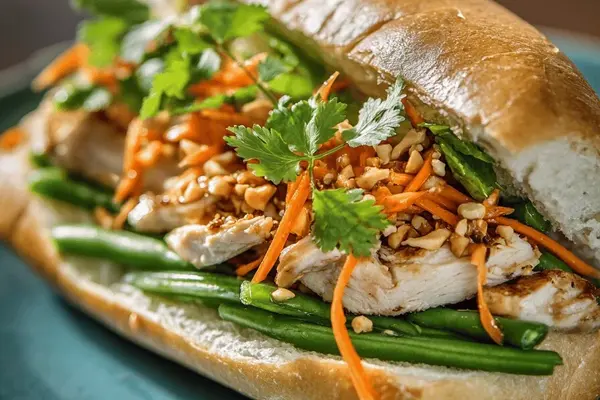
Asian Chicken Sandwich with Peanut Carrot Salad
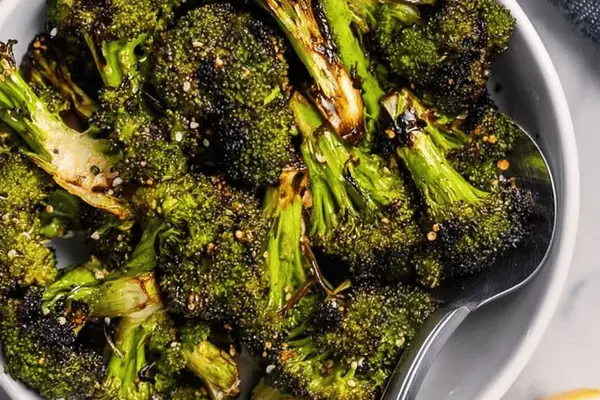
Roasted Broccoli Dishes with Garlic & Honey
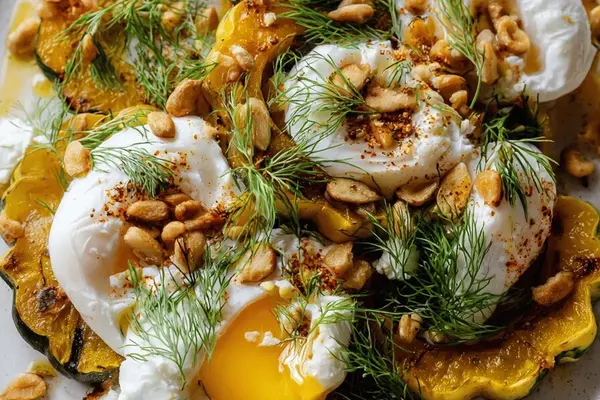
Egg Turkish with Delicata Squash & Goat Cheese
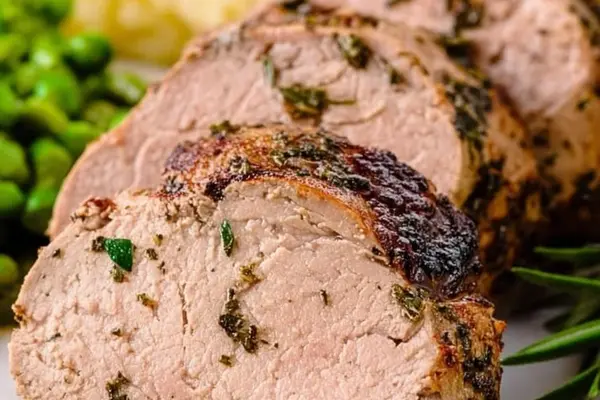
Herbed Butter Pork Tenderloin Recipe
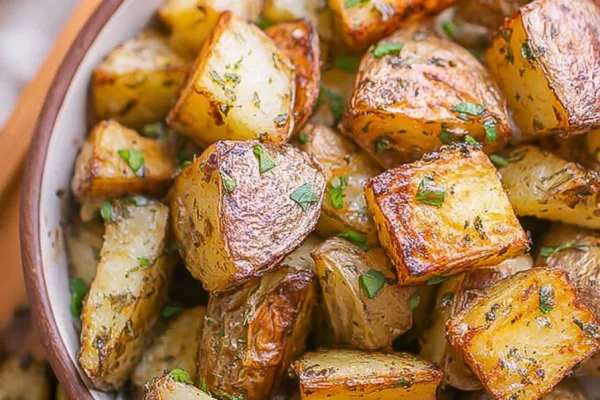
Crispy Ranch Potatoes
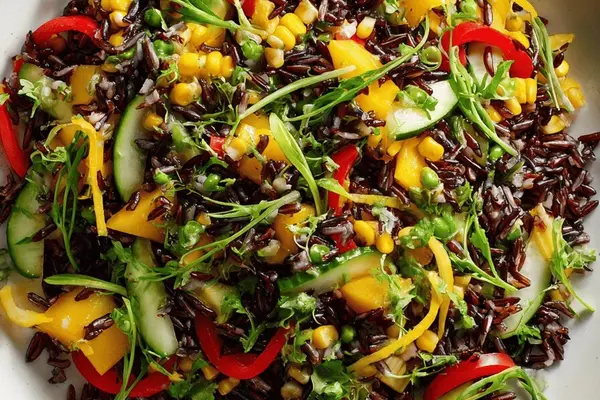
Recipe For Bean Salad With Wild Rice
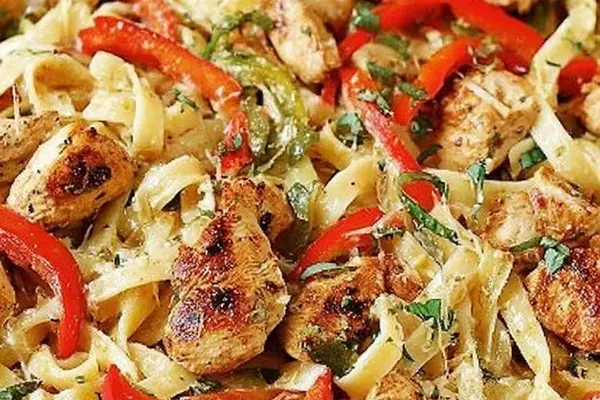
Cajun Chicken Alfredo with Fettuccine
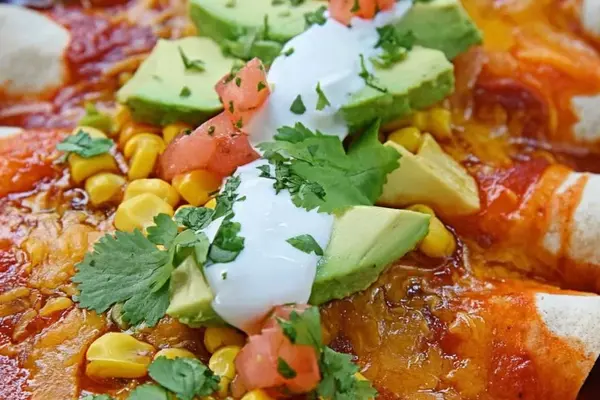
Ground Beef Enchiladas with Cheddar
Menchie Frozen Yogurt Popsicles Recipe
Grapefruit White Chocolate Scones
Roasted Potatoes with Herbs & Butter
Sheet Pan Sesame Chicken with Broccoli
Pork Parmigiana Patties with Eggplant
Caramel Apple Cheesecake Dip Recipe
Truffle Aioli Recipe with Garlic & Mayo
Ham Asparagus Gratin with Gruyère & Thyme
Vegan Chocolate Chip Cookies Recipe