
Lemon Cookie Icing Sugar Recipe
By Emma
Certified Culinary Professional
·
Recipe tested & approved
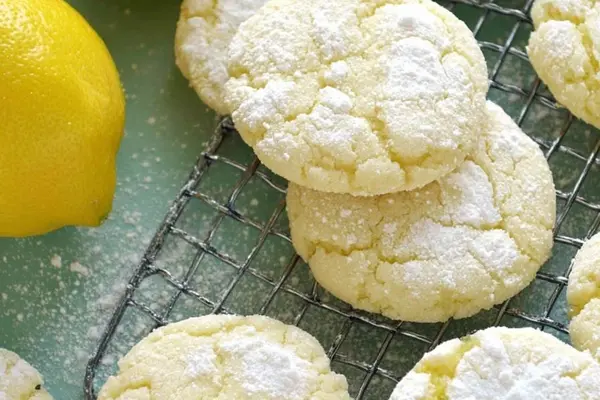
Powdered sugar coating hides how soft these are inside—you bite down and the whole thing just gives. Lemon zest mixed straight into the dough means brightness that doesn’t fade. These take 27 minutes total but taste like you fussed for an hour.
Why You’ll Love These Lemon Cookies
No mixer required, though one helps. Use a spoon and your own two hands if that’s what you’ve got. Lemon icing sugar cookies taste bright without being sour. The almond extract does something weird—makes the lemon louder instead of competing with it. They’re soft when they come out. Stay soft. Not cake-soft, but the kind of tender that makes you want another one immediately. Easy enough that a kid could do it. Hard enough that you’ll still nail it. Takes 18 minutes of actual work. The powdered sugar coating isn’t decoration—it’s part of the eating. Melts on your tongue. Plays against the tang.
What You Need for Lemon Icing Sugar Cookies
Unsalted butter, softened—one cup. Not melted, not cold. Spreadable.
Granulated sugar. One and a third cups. Regular white. Not turbinado.
Two large eggs. Room temperature works but cold’s fine too.
Zest from two lemons. Real lemons. The microplane makes it bright; a box grater works but gets watery sometimes.
Three tablespoons fresh lemon juice. Bottled doesn’t cut it here. The tartness matters.
Almond extract. A teaspoon. Swapped from vanilla. Does something specific to lemon—amplifies it instead of softening it. Vanilla works if you want mellow.
All-purpose flour. Two and three quarters cups. Sift it or whisk it in a bowl first—loose flour measures lighter and rises better.
Fine sea salt. Half a teaspoon. Kosher salt’s too coarse; regular table salt works but can feel sharp.
Baking powder. One teaspoon. The stuff that makes it rise without puffing weirdly.
Baking soda. A quarter teaspoon. Just enough to activate the acid from lemon juice.
Greek yogurt. A quarter cup. Keeps dough tender. Sour cream swaps in, tastes almost the same.
Powdered sugar for rolling. As much as you need. A half cup minimum, maybe more depending on how generous you get with the coating.
How to Make Lemon Icing Sugar Cookies
Heat your oven to 355 degrees. Line baking sheets with parchment or silicone mats. Spray nothing—you don’t want spreading here.
Cream the softened butter with granulated sugar. If you have a stand mixer, let it run until the mixture goes pale, fluffy, ribbons collapse off the paddle slowly. Three to four minutes usually. Without a mixer, use a hand mixer or a spoon and your arm—just get those butter and sugar granules to break down and disappear. The graininess goes away when you cream it properly. That’s the whole point.
Crack in one egg. Beat until blended. Then the second egg. Same thing. Don’t overbeat or you’ll add too much air and the cookies spread too thin.
Stir in the lemon zest. Then the lemon juice. Then the almond extract. Mix until it looks combined. The dough might look curdled for a second when you add juice—that’s fine. Keep stirring.
Sift the flour, salt, baking powder, and baking soda into a separate bowl. If you don’t have a sifter, whisk them together in there for two minutes. Gets the leavening distributed so you don’t get tiny pockets where nothing rises.
Add the dry stuff to the wet stuff in two or three batches. Alternate with the Greek yogurt—dry, yogurt, dry, yogurt, dry. Mix until barely combined. Stop before the gluten tightens up. Overworking makes these tough, and tough defeats the entire point. Dough should be thick and tacky but still roll-able. Not crumbly. Not sticky enough to be annoying.
Pour powdered sugar into a wide, shallow bowl. Pinch off pieces of dough—roughly one inch, maybe a bit smaller. Roll them between your palms into balls. Your hand warmth makes the dough cooperative. Coat each ball completely in powdered sugar. Two coatings if you want a really thick crust. One’s enough.
Space them on the baking sheets about two to two and a half inches apart. They spread but not wildly. They expand into each other if you crowd them, and that changes the texture.
How to Get Them Soft and Pillowy
Bake for eight to nine minutes. Don’t set a timer and walk away. Watch them. The tops should go matte and lose their shine. Edges should look set but not brown, definitely not crisp. You’re looking for barely done. Almost undercooked.
The centers will still seem soft when you touch them—don’t poke at them yet. They firm up as they cool. Remove the baking sheet from the oven and let the cookies sit for maybe two minutes on the hot sheet, then move them to a rack. If you leave them on the hot sheet too long, the bottoms keep cooking and they lose softness.
Cool them on a rack. They harden slightly as they go from warm to room temperature. Still tender inside. That’s the goal.
The lemon icing sugar coating starts out crispy, then the powdered sugar pulls moisture from the cookie and softens into the crumb. By the next day, if they last that long, they’re almost gummy in the best way. Almost.
Lemon Cookie Tips and Common Mistakes
If your cookies come out too flat, chill the dough for 15 minutes before baking. Cold dough spreads slower, gives leavening time to work. Conversely, if they’re too cakey and dense, add a splash more lemon juice next time—raises the crumb.
Don’t skip rolling them in powdered sugar before baking. That coating isn’t just looks. The sugar dissolves slightly and creates a crust that keeps moisture in. No sugar coating means drier cookies inside.
The sift-the-flour step actually matters. Unsifted flour is packed. You end up with too much flour, dough gets stiff, rise is uneven. Tiny pockets that don’t have leavening mixed in stay dense. Take the 90 seconds. Whisk if sifting feels annoying.
Almond extract is loud. A quarter teaspoon more and it tastes medicinal. Stick with one teaspoon. Vanilla extract swaps in one-to-one if you want it mellow, but you lose the brightness.
Greek yogurt and sour cream are basically interchangeable here. Sour cream’s slightly more tangy. Doesn’t matter much. Both work.
Don’t use salted butter. You’ve got salt in the flour mix. Unsalted gives you control.
The lemon juice has to be fresh. Bottled juice tastes flat and chemical. Two fresh lemons takes 30 seconds to juice. Worth it.
Baking time depends on your oven. Some run hot. Watch the tops, not the clock. Matte means done. Shiny means too early.
Lemon Cookie Icing Sugar Recipe
Prep:
18 min
Cook:
9 min
Total:
27 min
Servings:
36 servings
Ingredients
- 1 cup unsalted butter softened
- 1 1/3 cup granulated sugar
- 2 large eggs
- Zest of 2 lemons
- 3 tablespoons fresh lemon juice
- 1 teaspoon almond extract
- 2 3/4 cups all-purpose flour
- 1/2 teaspoon fine sea salt
- 1 teaspoon baking powder
- 1/4 teaspoon baking soda
- 1/4 cup Greek yogurt (use sour cream if no Greek yogurt)
- Powdered sugar for rolling
Method
- 1 Start by heating oven to 355 degrees Fahrenheit and lining baking sheets with parchment paper or silicone mats. No spray needed here — prevents spreading.
- 2 Grab a stand mixer or electric hand mixer in a large bowl. Cream softened butter and granulated sugar together until pale, fluffy, and you see fine ribbons collapse slowly off the paddle. Stops graininess, key for texture.
- 3 Add eggs one at a time, beating just enough to blend. Stir in fresh lemon zest and juice plus almond extract. I swapped vanilla for almond to bump the lemon brightness.
- 4 In a separate bowl sift or whisk flour with salt, baking powder, and baking soda. Powder distributes leavening evenly, or risk weird puffing.
- 5 Add dry mix gradually into your wet, alternating with Greek yogurt to keep dough tender, not stiff. Mix until barely combined—overworking toughens gluten quick. Dough thick and tacky but still malleable.
- 6 Drop powdered sugar into a wide bowl. Pinch off roughly 1-inch portions, roll into balls, then fully coat in sugar. Use your hands—warm fingers make the dough pliable. Space dough balls about 2 to 2 ½ inches apart on prepared sheets to allow cookie spread without squishing.
- 7 Pop in the oven for 8 to 9 minutes—but don’t rely on the clock. Watch for the tops to lose shine and look matte or dry. Edges should appear set but not brown or crisp.
- 8 When done, cookies still look slightly undercooked centers but resist poking at that stage—will firm up off heat. Remove immediately to rack to cool. If letting cool on sheets, bottoms may overcook from residual heat and lose softness.
- 9 Serve warm or at room temp. The tangy hit plays nice with tea or coffee afternoon or just alone as little bites of sunshine.
- 10 Pro tip: If cookies appear too flat after baking, chilling dough 15 minutes prior can firm fat and slow spreading. Conversely, add a splash more lemon juice for softer crumb.
- 11 Common mistake—rolling dough balls without enough powdered sugar leads to cracks or sticking. Also, skipping the quick flour sift increases risk of tiny un-leavened spots causing uneven rise.
- 12 You can swap almond extract back for vanilla if you prefer mellow but loses some zing. Greek yogurt replacement with sour cream keeps moisture. No butter? Use salted but skip extra salt in flour.
- 13 These take less baking time than you think. Waiting for that matte top and minimal color is critical to keep them soft inside. Over-baking kills the tender chew and lemon essence.
- 14 I’ve made these several ways. Found that swirling zest through dough instead of on top keeps flavor bold. Powdered sugar on the outside traps moisture and adds contrast. Worth the extra step.
- 15 No stand mixer? Use a sturdy spoon and elbow grease to cream butter and sugar thoroughly; just more time, less fluff. Electric hand mixer works fine too with careful timing.
- 16 The scent when baking is a bright lemon punch hitting the senses first, then sweet powdered sugar warmth emerges as they cool down. Listen for the quiet oven hum; if it gets loud or aggressive, reduce temperature by 5 degrees to avoid browning too fast.
Nutritional information
Calories
120
Protein
1g
Carbs
17g
Fat
6g
Frequently Asked Questions About Icing Sugar Cookies With Lemon
Can you make icing sugar for cookies ahead of time? The dough keeps in the fridge for three days in an airtight container. Roll in powdered sugar and bake when ready. Or bake them cold—adds a minute to baking time but works fine.
What’s the difference between powdered sugar icing and the coating on these? These don’t have an icing layer—the powdered sugar is the coating. Dissolves slightly into the cookie as it cools. If you want a thick, crispy icing glaze on top, that’s a different recipe entirely and honestly too much work for these.
Can you use ricotta cheese instead of Greek yogurt? Ricotta’s wetter. You’d need to drain it first. Even then, cookies might come out cake-like instead of tender. Not worth testing.
Do lemon shortbread cookies taste the same? No. Shortbread’s all butter, no leavening. Denser. These have baking powder and yogurt so they’re softer, puffier. Different beast.
How long do these stay soft? Two days on the counter in an airtight container. After that, the powdered sugar coating hardens more and the cookie inside starts to dry out. Still edible. Still good with coffee. But the soft window is brief.
What if you don’t have fresh lemon zest? Just lemon juice works, but the cookies lose something. The zest oils hit differently than juice. If you’re out, add a tiny bit more juice—quarter teaspoon—and accept that it won’t be quite the same. Not worth buying a lemon if you don’t have one.
Can you double the recipe? Yes. Double everything. Baking time stays the same. Watch the tops, not the timer.
Is meringue powder royal icing better than powdered sugar coating? That’s not powdered sugar icing—that’s actual icing. Two different things. If you want royal icing, you’re making a different cookie. These are simpler. Just roll in sugar and bake.
You’ll Love These Too
Explore all →
Lemon Meringue Tart with Swiss Meringue
No Bake Blackberry Cheesecake with Greek Yogurt
Mozzarella Stuffed Chicken with Cream Sauce
Slow Cooker Beef Tips with Mushrooms & Rice
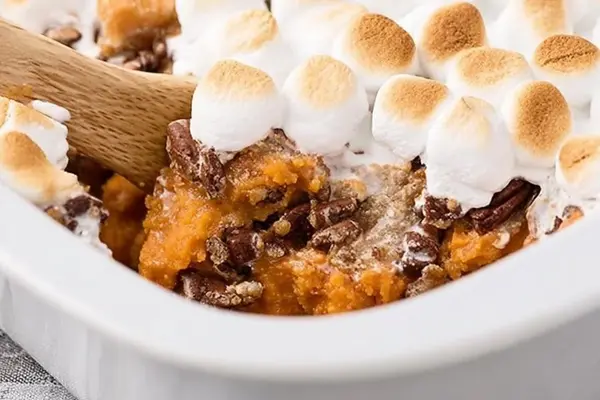
Sweet Potato Casserole with Pecans
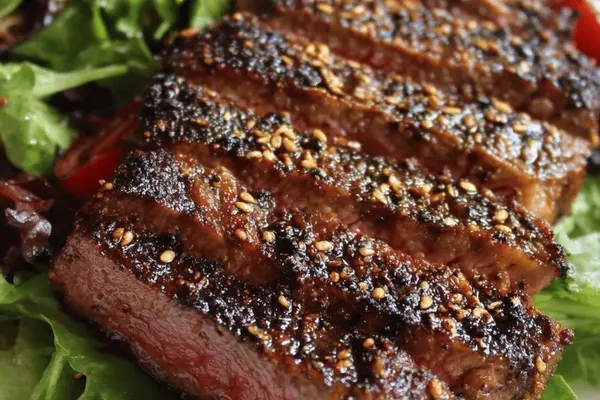
Beef Steak Marinade with Spice Rubs
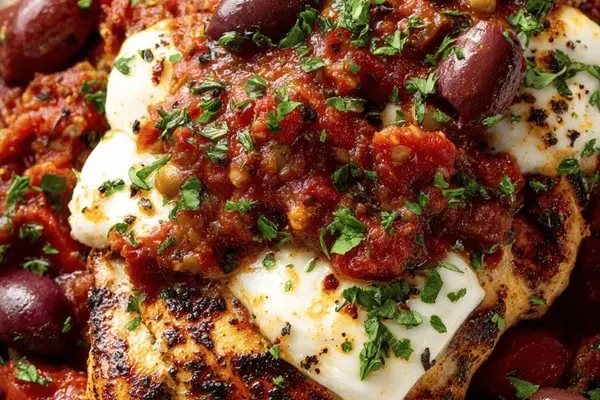
Grilled Chicken Breast with Mozzarella & Olives
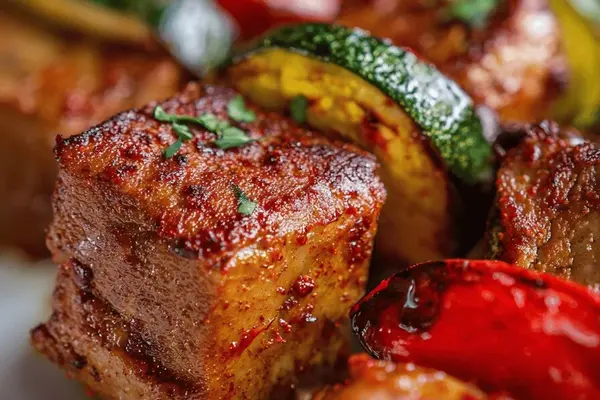
Pork Chop Marinade with Smoked Paprika
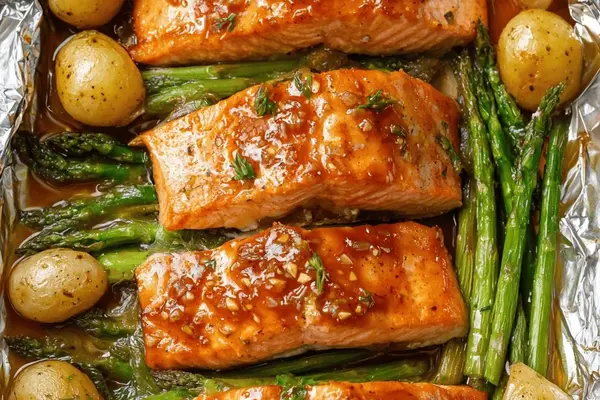
Salmon Miso Papillotes with Asparagus
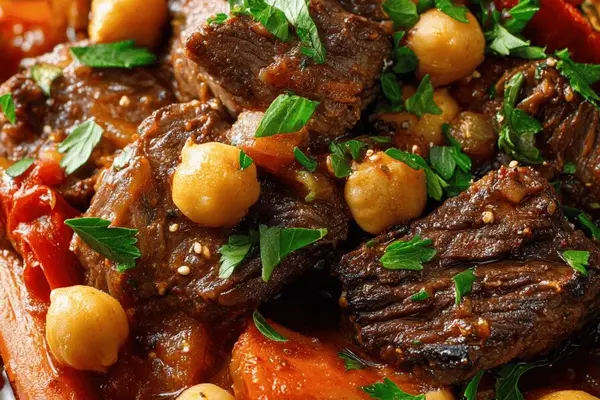
Beef Stew with Chickpeas and Smoked Paprika

Mini Chicken Pot Pies with Cheddar Biscuits

Creamy Cauliflower Mussels in White Wine

White Chicken Chili with Green Chiles
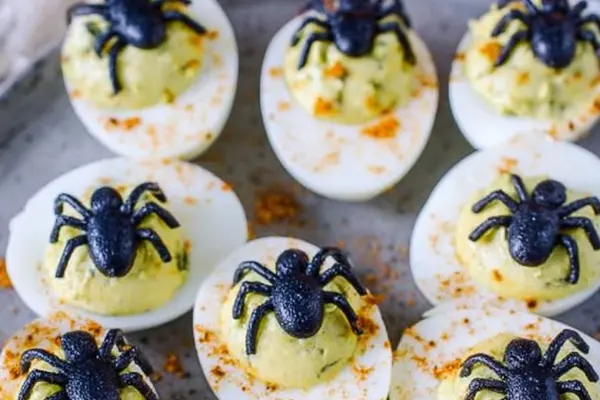
Instant Pot Halloween Deviled Eggs with Avocado
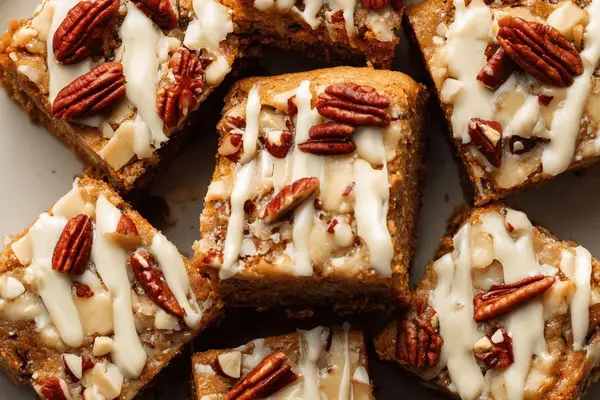
Almond White Blondies with Coconut Oil
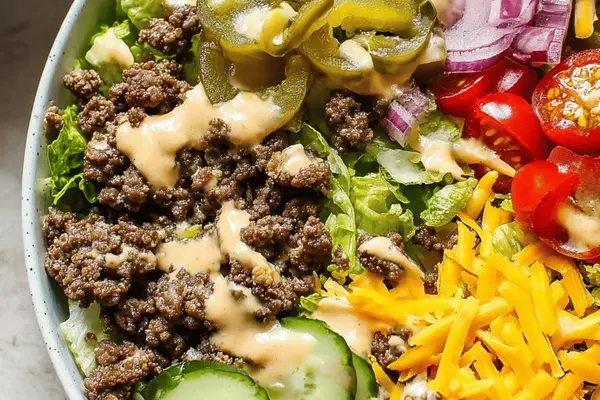
Salad With Avocado, Ground Beef & Poppy
Chicken & Bacon Wrap with Ranch Dressing
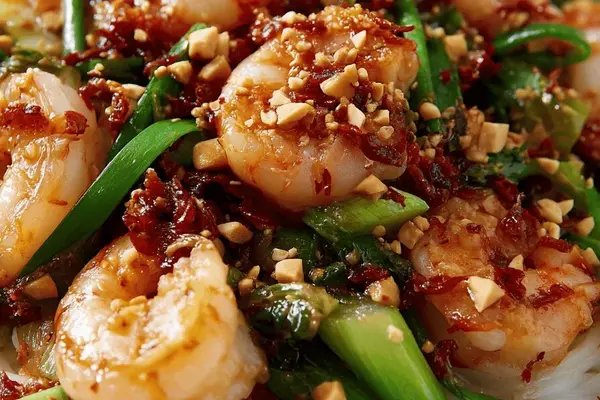
Shrimp Stir Fry Recipe with Kimchi
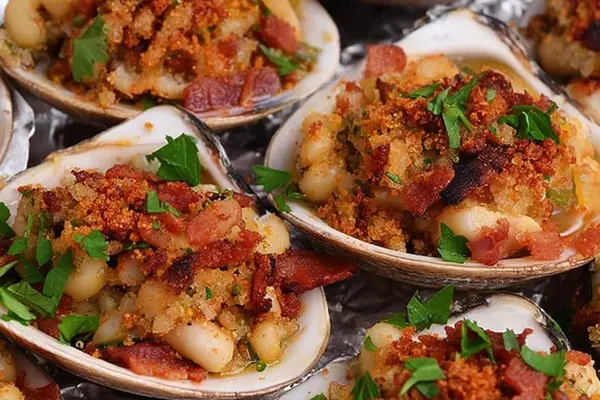
Clams Casino with Bacon and Cracker Topping