Key Lime Pie with White Chocolate Fudge
By Emma
Certified Culinary Professional
·
Recipe tested & approved
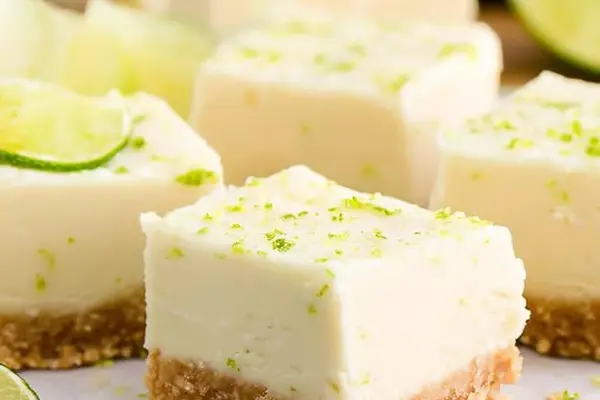
Cut the graham cracker crust first. Bake it just until the edges brown — that takes maybe 6 or 7 minutes but you’re really listening for the crackle sound, the smell that pops out when it’s right. Then the fudge part. White chocolate chips. Condensed milk. Lime juice that cuts through all that sweetness like it knows exactly what it’s doing. No bake after that. Just cold time. Two and a half hours total, most of it waiting in the fridge.
Why You’ll Love This Key Lime Pie
Tastes like dessert but it’s basically fudge — that dense, melting thing that happens when white chocolate meets condensed milk and lime juice all at once. No bake means no oven time after the crust, which matters if your kitchen is already hot. Works cold. Stays cold. Doesn’t need anything else. The citrus cuts the sweetness in a way that makes you want another piece instead of feeling like you just ate pure sugar. And it’s small — 36 squares from one pan. Goes fast.
What You Need for Key Lime Pie Fudge
Graham cracker crumbs — a full cup. Not the whole crackers, not the fine dust. Somewhere in between. Unsalted butter, melted. A third cup. It should clump the crumbs without drowning them. Sugar. Three tablespoons. That’s it for the crust.
White baking chips. Twelve ounces. Not white chocolate from the candy aisle. Actual baking chips. There’s a difference — the baking kind melts smoother. Sweetened condensed milk. One can. Fourteen ounces. This is where the fudge gets its texture. Lime zest from two limes plus you keep back a teaspoon for the top. Fresh lime juice. A quarter cup. Not bottled. The fresh stuff is the thing that makes this work.
How to Make Key Lime Pie
Heat the oven to 355°F. Line an 8x8 pan with parchment paper and let the edges hang over the sides — you’ll use them later to lift the whole thing out, trust the mess factor on this one. Mix the graham crumbs, melted butter, and sugar until the crumbs clump up but they’re not sitting in a pool of butter. Press it all firmly into the pan bottom. Pack it. A crumbly crust is the worst. Bake just until the edges brown and you smell it — maybe 6 or 7 minutes. The faint crackle sound is what you’re listening for. Let it cool all the way.
While that cools, get the fudge going. Put the white chips and condensed milk in a heatproof bowl. Microwave for 45 seconds. Stir hard. The chips should start melting but they won’t be smooth yet. Microwave another 15 seconds. Stir again. Keep doing 15-second bursts until it’s glossy and thick, no grainy lumps anywhere. This matters. Overheating breaks it.
Mix in almost all the lime zest and all the juice. Blend until it thickens and gets shiny. That tang hits hard against the sweetness — that’s the whole point. Pour the fudge over the cooled crust and spread it even. Sprinkle the reserved zest on top for zing and looks.
How to Get Key Lime Pie Firm and Perfect
Cover it loosely with foil or plastic wrap. Refrigerate for at least 2 hours. You’re waiting for the fudge to firm up but not go rock hard. Two and a half hours is the sweet spot. Grab the parchment edges and lift the whole thing out onto a board. Use a sharp knife — warm the blade under hot water if the fudge resists clean slicing. Cut into squares. About 1.5 inches. Thirty-six pieces roughly.
Store it chilled. The fudge softens at room temperature and it gets messy. Keep an eye on the fridge though. Moisture is the enemy. If condensation builds up, put a paper towel under the lid of your storage container. It sounds weird but it works.
When you serve it, let it sit out for a few minutes. Not long. Just enough that the edges aren’t pencil-hard. The texture mellows and it’s better that way.
Key Lime Pie Tips and Common Mistakes
Don’t skip the parchment overhang. You’ll regret it when you’re trying to dig fudge out of a pan at midnight. White chips matter — the quality difference shows in how smooth it melts. Cheap white chocolate seizes. Microwave in bursts, not one long heat. Patient wins here. The fudge can also separate if you overheat it and then try to fix it. It won’t. Start over if it breaks.
Lime juice matters more than you think. Bottled doesn’t cut it. Actual limes. Fresh. The difference between okay and good is real. Some people add a tiny pinch of salt to amplify the citrus. Haven’t tried it myself but it makes sense. If your fudge feels too soft after 2 hours, give it another 30 minutes. Depends on your fridge. If it’s too hard and won’t slice clean, let it sit on the counter for 3 minutes first.
Key Lime Pie with White Chocolate Fudge
Prep:
15 min
Cook:
12 min
Total:
2h 30min
Servings:
36 servings
Ingredients
- 1 cup graham cracker crumbs
- 1/3 cup unsalted butter melted
- 3 tablespoons granulated sugar
- 12 ounces white baking chips
- 14 ounces sweetened condensed milk
- Zest of 2 limes plus 1 teaspoon reserved
- 1/4 cup fresh lime juice
Method
- Crust Preparation
- 1 Heat oven to 355°F. Line 8x8 pan with parchment, let edges hang over sides to lift fudge out later, trust me on the mess factor.
- 2 Mix graham crumbs, melted butter, and sugar until crumbs clump but aren’t swimming. Press firmly into pan bottom, pack it so crust stays crisp, not crumbly.
- 3 Bake crust just until edges brown and aroma pops out. About 6-7 minutes, but listen for faint crisp crackle, also slight color changes. Cool fully.
- Fudge Mix
- 4 In medium heatproof bowl, toss white chips with condensed milk. Microwave 45 seconds initially. Stir vigorous to even out melting. Heat in bursts of 15 seconds. Avoid overheating. Watch for glossy, satin finish, no grainy lumps.
- 5 Mix in most lime zest and all juice. Blend until thickened and shiny, tang hits that penetrate the sweetness.
- 6 Pour fudge over crust, spread evenly. Sprinkle reserved zest for zing and visual pep.
- 7 Cover loosely with foil or plastic wrap, refrigerate at least 2 hours, or until fudge firms up taut but not rock hard.
- Finishing
- 8 Grab parchment edges, lift fudge out pan onto board. Use a sharp knife, warm blade helps if fudge resists clean slicing.
- 9 Cut into 36 squares roughly 1.5-inch pieces. Store chilled, prevents softness and mess.
- 10 Keep an eye on fridge moisture; fudge loves it dry. If condensation forms, use paper towel under storage container lid.
- 11 Serve chilled, let it rest a few minutes out so edges aren’t pencil-hard, texture mellows.
Nutritional information
Calories
130
Protein
2g
Carbs
15g
Fat
6.5g
Frequently Asked Questions About Key Lime Pie
Can you make this key lime pie recipe ahead of time? Yes. Make it a day or two before. Store it chilled in a container with a paper towel under the lid to catch moisture. The flavor gets a bit deeper actually — the lime and white chocolate settle together overnight.
What’s the difference between key lime pie made from condensed milk and regular versions? This version is fudge-based using sweetened condensed milk, so it’s denser and richer than the classic custard style. It’s closer to fudge than pie. Easier. No eggs. No bake after the crust.
Can you substitute anything in the fudge using condensed milk version? Regular lime juice works if you can’t find key limes. The flavor shifts slightly but it’s fine. Don’t try bottled though — the taste flattens. White chocolate chips are specific. Regular white chocolate or chocolate chips change the texture completely.
How do you keep the sweetened condensed milk fudge from getting too soft? Keep it in the fridge always. Moisture kills it — that’s why the paper towel under the lid matters. If it gets soft anyway, it’s still edible but it turns into more of a spread. Chill longer next time. Some people say the fridge temperature matters. Colder is safer.
Why does the condensed milk fudge recipe use white chips instead of regular chocolate? The sweetness needs balance. Regular chocolate adds more cocoa richness and the lime gets lost. White chips let the citrus shine. Plus the texture when it sets is smoother, less grainy. It’s weird but it works.
Can you make this fudge recipe without the lime zest on top? Yeah. The zest is visual mostly. Tastes fine without it. But the little flakes of brightness make a difference when you bite into it. Worth adding if you have limes already out.
You’ll Love These Too
Explore all →
Spaghetti Sauce Bolognese with Fresh Tomatoes

Chai Tea Recipe with Coconut Milk
Grilled Chicken Breast with Pesto & Mozzarella

Creamy Clam Chowder with Pancetta and Corn
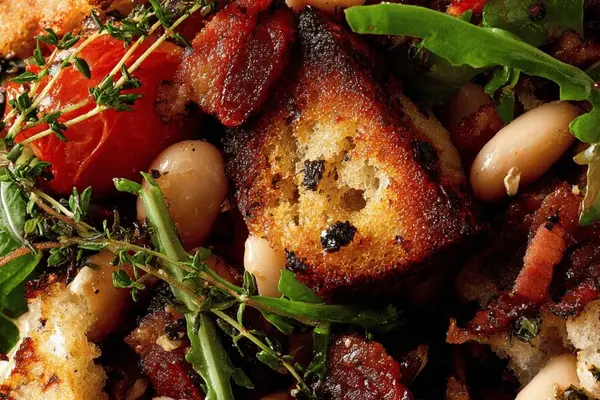
Panzanella Salad with Pancetta and Grape Tomatoes
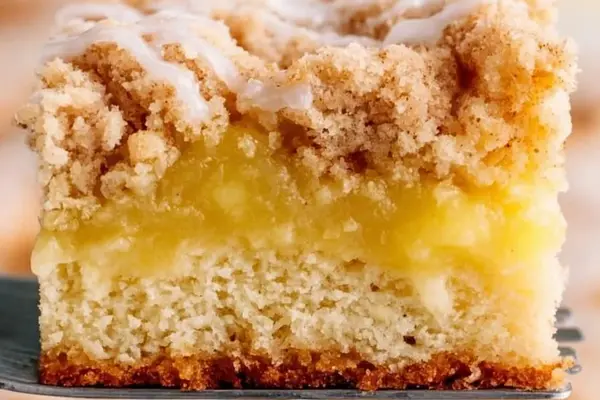
Coffee Cake Recipe with Lemon Cream Cheese

Red Velvet Chocolate Chip Cookies
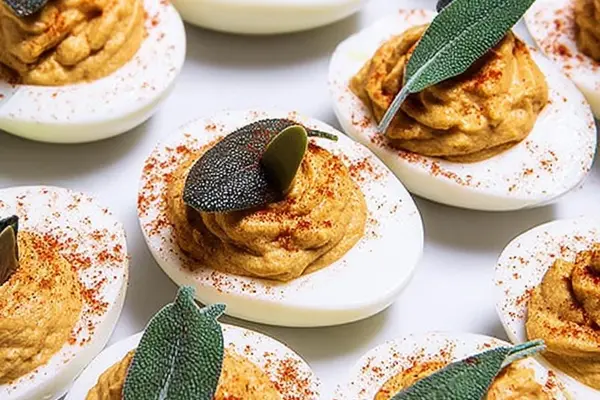
Pumpkin Deviled Eggs with Fried Sage
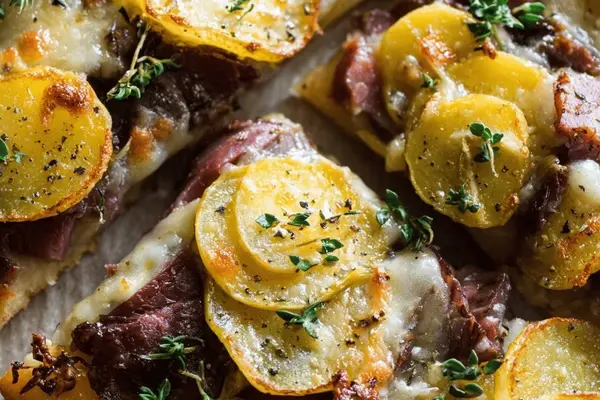
Focaccia with Potatoes and Smoked Beef

BBQ Chicken Marinade with Smoked Paprika
Homemade Reese's Peanut Butter Cups Recipe
Creamy Cardamom Oatmeal with Hazelnuts
Ground Beef Chili Recipe with Beans
Pearl Onions & Mushrooms with Balsamic
Warm Artichoke Spinach Dip with Ricotta
Cheesecake Chocolate Chip Cookies
Pork Tender Loin Recipe with Honey Garlic
Cranberry Meringue Wreath with Orange Spice

Cheesy Sausage Broccoli Skillet Recipe