Zesty Shortbread Bars
E
By Emma
Certified Culinary Professional
•
Recipe tested & approved
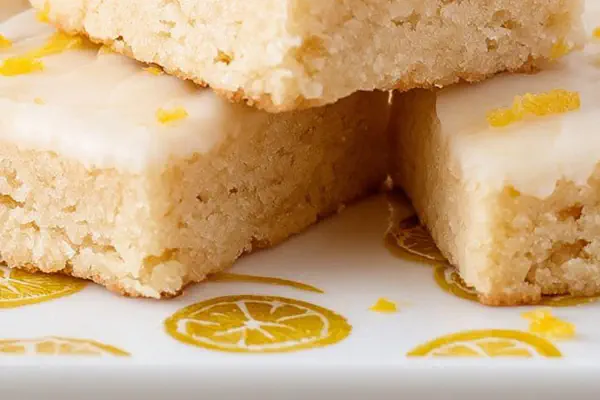
A lemon-infused shortbread baked lower and slower to catch that light golden edge. Uses cornstarch for that tender crumble. Butter creamed well with sugar and brightened with lemon and vanilla extracts. Flour folded in until dough clumps into a ball. Pressed firmly but gently into pan, baked until edges whisper golden. Cool slightly then cut while warm—cracking edges happen if too chilled. Glazed tops with tangy lemon icing spiked with butter for richness. A simple substitution for lemon extract with lemon zest or even yuzu. Cornstarch could be swapped for arrowroot if needed—keeps the crumb soft. If dough sticks, wet fingertips help without watering down. Watch visual cues more than clocks. Expect sizzle and aroma shifts marking doneness. Bite into buttery, citrus-laced richness balanced with a creamy glaze—shortbread done right, no shortcuts.
Prep:
15 min
Cook:
40 min
Total:
55 min
Servings:
12 servings
#baking
#shortbread
#lemon desserts
#glaze
#American cuisine
Before You Start
Sometimes shortbread trips me up—dry edges, crumble that falls apart, flavor flat. This lemon take? Learned to always cream butter and sugar long enough. Feel it turn lighter, the texture sings readiness. Lemon adds punch, vanilla smooths rough edges. Cornstarch’s a sneaky hero; softens crumb without gummy slip. Used to bake hotter, shorter—edges burned before center set. Lower temp, longer wait lets aroma develop, edges gently gold. Parchment peel-out saves scrabbling with knife later. Cutting bars warm helps too, no brittle break. Glazing’s the finale; buttery, tart, sticky gloss. Not just sweetness slapped on—balances the denseness. Tried just lemon extract and fresh zest—fresh zest wins hands down. Easiest to eyeball than watch the clock; smell and sight guide best. I bump bake time a touch, watch colors more closely now.
Ingredients
- 1 cup salted butter softened
- 2/3 cup granulated sugar
- 1 teaspoon lemon extract substitute 2 teaspoons fresh lemon zest
- 1 teaspoon vanilla extract
- 1 1/2 cups all-purpose flour
- 2 tablespoons cornstarch substitute 2 tablespoons arrowroot powder
- Glaze: 3/4 cup powdered sugar
- 3 tablespoons melted butter
- 3 tablespoons milk
- 2 tablespoons fresh lemon juice
In The Same Category · Desserts
Explore all →
Blood Orange Chiffon Cake
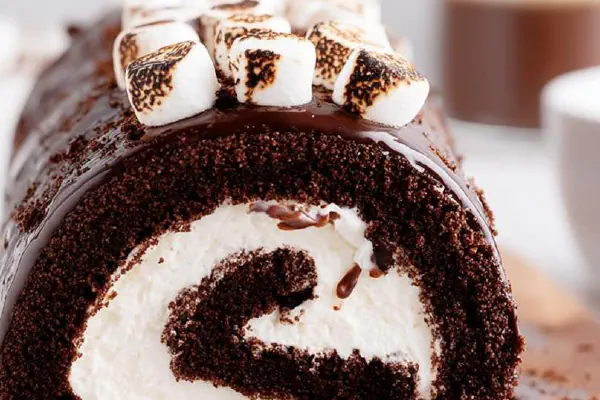
Chocolate Marshmallow Roll
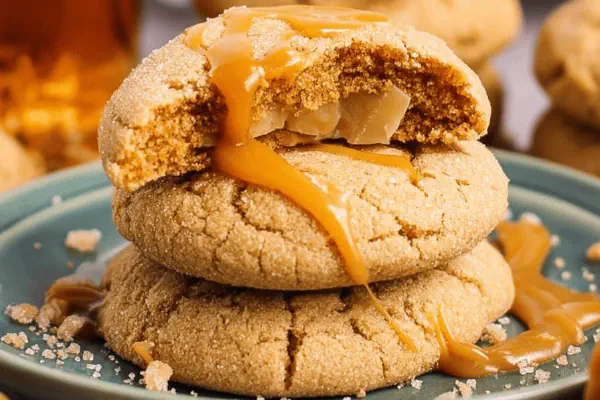
Caramel Apple Cookies Remix
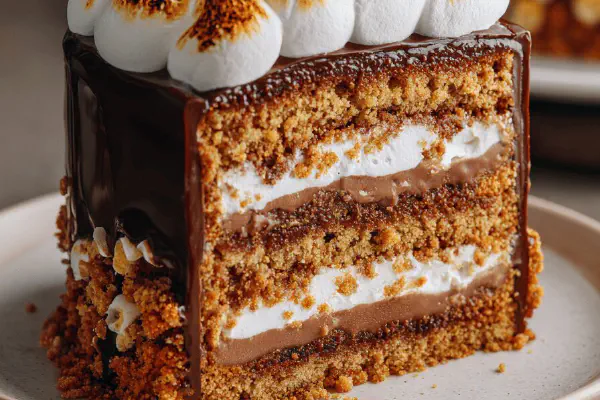
S'mores Cake Remix
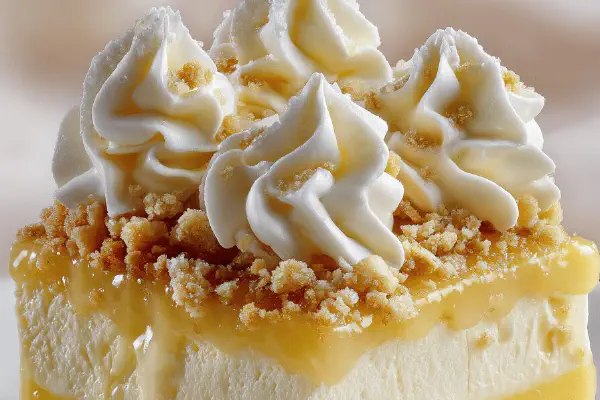
Lemon Sundae Tart
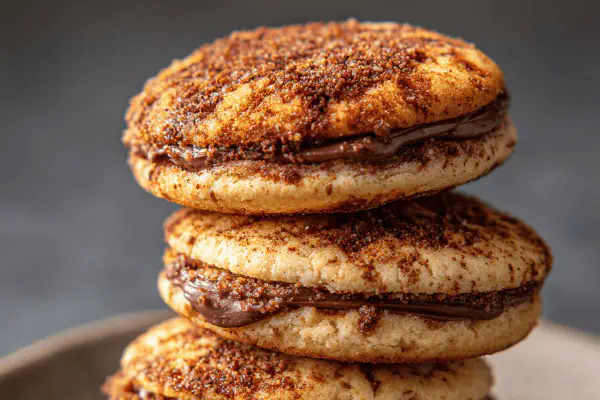
Spiced Cocoa Vanilla Shortbreads
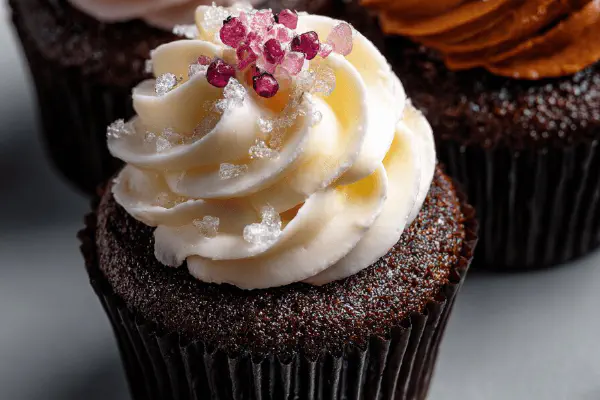
Mini Chocolate Surprise Cupcakes
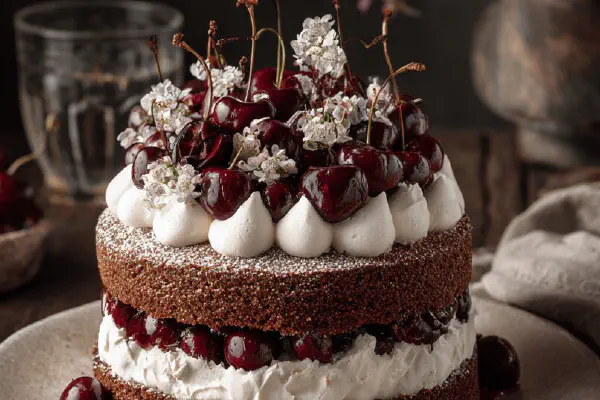
Simplified Black Forest Cake

Painted Easter Cookies
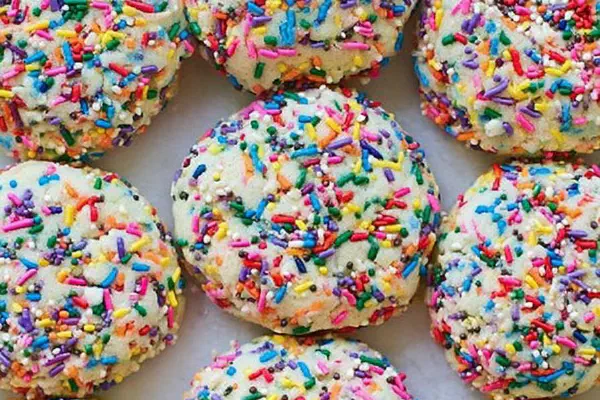
Funfetti Sprinkle Cookies
Strawberry White Chocolate Bites
Raspberry Cream Cheese Pie
Mint Chocolate Patties
Twisted Chocolate Cake

Apple Pecan Sheet Cake
Homemade Brownie Mix Twist
Clementine Cream Sandwiches
Lemon Blueberry Cheesecake Bites
Mint Chocolate Crisps
Rhubarb Raspberry Tartelettes
About the ingredients
Butter and sugar quality shapes final product. I recommend unsalted butter so control salt yourself—can skip or adjust sprinkling later. Granulated sugar, not powdered, makes subtle textural lift during creaming. Cornstarch rather than more flour prevents toughness. Arrowroot is a neat substitute but watch for moisture differences. Lemon zest adds natural oils missing from extract; if unavailable, upping lemon juice in glaze brightens flavor a bit more. Vanilla calms lemon’s sharpness—don’t omit. When mixing, start dry ingredients slow to avoid flying flour cloud. Wet fingertips for pressing dough beats flour dusting, which dries dough out. Make sure ingredients at room temp to help cream properly and bind flour better.
Method
- Preheat oven 320°F. Line 9x9 pan with parchment paper leaving edges hanging for easy removal.
- Cream butter and sugar medium speed in stand mixer until soft and fluffy. Scrape bowl sides to fully combine.
- Add lemon zest and vanilla extract. Mix slowly until fully blended with creamed butter. If using lemon extract, reduce zest.
- Start flour and cornstarch low speed. Fold gently until dough pulls in a soft ball at center of bowl. Avoid over mixing.
- Press dough evenly into pan with fingertips dampened lightly with cold water. Helps dough spread without sticking or overworking.
- Bake 37-42 minutes. Edges turn pale golden, center feels set — not jiggly. Smell rich buttery lemon notes emerging. Listen for faint crackling sounds.
- Cool 5 minutes in pan before cutting. Warm shortbread cuts cleaner, less crumble. Cooler bars crumble and crack awkwardly.
- Allow to cool completely before lifting with parchment. Try lifting by edges, not bottom, to avoid breakage.
- Whisk powdered sugar, melted butter, milk, and lemon juice until smooth in bowl for glaze. Adjust thickness by adding milk dropwise or more sugar.
- Dip tops of bars just to cover. Let excess drip back. Place on wire rack over rimmed tray for glaze to set harder with air circulation.
- After glaze sets fully, serve or store airtight. Keeps well a few days; soften texture after day two in microwave briefly.
Cooking tips
Preheating at a slightly lower temp than many guides helps the shortbread bake slowly and evenly. Creaming until butter-sugar blend looks paler and fluffy is crucial; skip this and dough won’t come together right. Mixing lemon and vanilla extracts in before flour ensures even scent throughout bars. Dough will be sticky but firm; adding more flour ruins texture. Press evenly with water-moistened fingers to avoid tearing—press gently. Visual cues rule baking here: edges turning soft golden and the center drying up; jiggle means underbaked. Cutting bars while warm is the trick I learned after many crumbly slices—warm cuts slice cleanly, cold shatters. Glazing only after cool prevents meltdown. Use wire rack to harden glaze keeping bars crispy underneath. Patience with cooling balances sturdiness and tenderness.
Chef's notes
- 💡 Cream butter and sugar until light, fluffy and pale. Not just mixed but really whipped to trap air. Helps dough bind without toughness. Avoid skipping this step; dull dough means dense bars. Watch for texture not just color. Mix lemon zest and vanilla in pre-flour; scent infusion spreads evenly. Use fresh zest or adjust lemon extract quantity to prevent bitter aftertaste. Cornstarch folded low and slow stops gluten overdevelop. Dough sticky is fine; don’t add more flour unless last resort. Press evenly with wet fingertips not flour dusted—flour dries edges. Bake at lower temp around 320°F for gentle setting. Slow bake develops aroma cues—listen for faint crackle, smell buttery lemon wafting. Bars cut warm slice cleaner, less crumble. Cool fully before glazing; glaze sets harder on wire rack allowing airflow.
- 💡 Replacing cornstarch with arrowroot powder works but watch moisture. Arrowroot can make crumb slightly less stable; adjust baking time so edges don’t brown prematurely. If fresh lemon zest unavailable, increase fresh lemon juice in glaze instead of adding extract. Mixing should start slow with dry ingredients added gradually; avoids flour clouds and lumps. Wet fingertips during pressing help spread dough without tearing or compressing too hard. Keep dough room temp for cream and bind; cold butter leads to clumpy, patchy dough. Baking too hot ruins centers; edges burn fast leaving undercooked middles. Aroma and subtle crackling signs trump timer. Glaze thickness tweak with incremental milk or powdered sugar adjustments. Only dip tops lightly. Excess glaze pools cause soggy bottoms.
- 💡 Watch dough texture not clock; dough clumps into soft ball and breaks softly on press. Over mixed = tight tough crumb. Press with fingers, not scraper or rolling pin—keeps dough gentle. Cool bars still in pan for 5 minutes so edges set gently. Cut warm; cold bars will crack and crumble, not slice neat. Remove with parchment peel-out for easy lifting. Avoid pulling bottom; use edges for leverage or bars snap. Glaze while bars cool, not really cold to avoid meltdown. Wire rack ideal for airflow dries glaze fully, keeps bars crisp underneath. Adjust lemon quantities carefully; zest packs bright oils, extract can be bitter if overused. Vanilla softens sharp lemon notes; skip at your own risk. Baking times vary; oven calibration matters.
- 💡 If dough sticks too much, wet fingertips over flour dusting. Flour dries edges and toughens crumb. Butter quality impacts flavor and texture more than you think. Unsalted butter allows salt control later; salted works but scale back added salt if any. Granulated sugar creamed with butter creates tiny crystals in dough that add subtle texture lift. Cornstarch prevents toughness and retains tender crumb. Arrowroot suitable substitute but watch moisture content and bake longer if needed. Watch for visual doneness: soft golden edges, dry center, no jiggle. Aroma intensifying buttery lemon notes and faint crackles cue readiness. Don’t rely solely on timer; oven heat varies.
- 💡 Glaze: mix powdered sugar, melted butter, milk, lemon juice for smooth consistency. Adjust for drizzle or thick spread by adding milk dropwise or more sugar in small increments. Dip tops only, excess glaze should drip back to bowl or rack. Setting glaze on wire rack maximizes air circulation so glaze hardens gently. Store bars airtight. Leftovers soften after two days; brief microwave perks texture again but avoid overheating. Watch glaze color and texture when setting—too thin glaze stays sticky too long, thick glaze cracks. Patience during cooling and glazing balances between tender moistness and crisp edges.
Common questions
How do I stop shortbread from cracking?
Cut bars warm only. Warm bars slice clean; cold bars crack and crumble unpredictable. Press dough evenly with wet fingers, not flour dusted. Don’t overmix dough—overworked flour toughens. Bake low and slow. Visual cues matter more than timer. Let bars cool slightly before lifting.
Can I use arrowroot powder instead of cornstarch?
Yes but moisture differs. Arrowroot can yield softer crumb, maybe tackier. Might need a minute or two longer bake. Watch edges. Adjust glaze moisture too if swapping. Also texture slightly less stable. Good substitute just adapt technique. Same ratio works fine.
What if dough sticks when pressing into pan?
Wet fingertips solve stickiness better than adding flour. Flour dries edges, makes crust tougher. Keep fingers damp lightly. Press gently not hard. If really sticky, chill dough briefly to firm, but don’t dry out. Avoid flour dusting; dexterity beats dust.
How to store bars to keep texture?
Airtight container best; keeps moisture balanced but after two days bars soften. Microwave brief bursts restore some firmness; don’t overdo or glaze melts. Can freeze bars wrapped tightly; thaw completely before glazing or serving. Glaze holds better refrigerated; bring bars to room temp before eating.
You’ll Love These Too
Explore all →
Edible Choco Dough Remix
Grilled Skirt Steak Chimichurri
Country Cabbage Soup

White Bean Tuna Croquettes
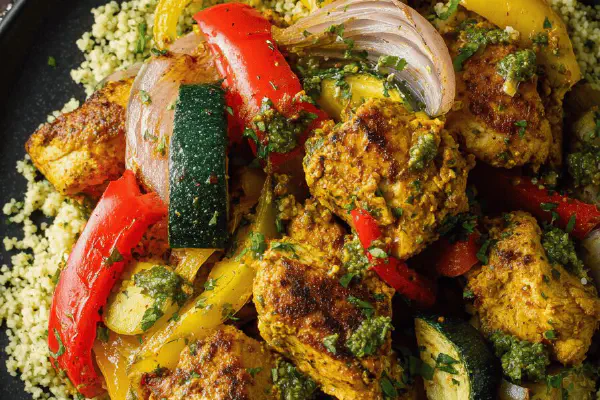
Curried Chicken Veg Traybake
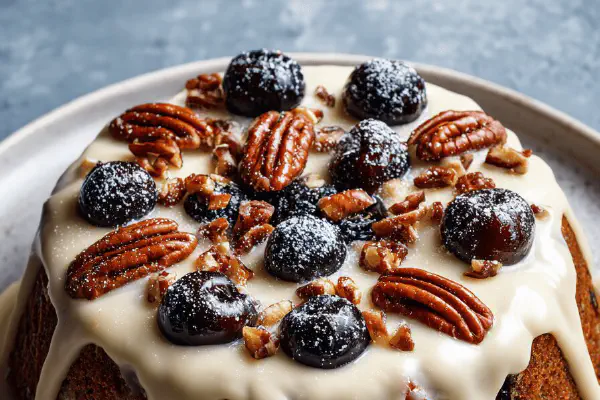
Tomato Soup Cake With Cream Cheese Glaze

Air Fryer Carrots Twist
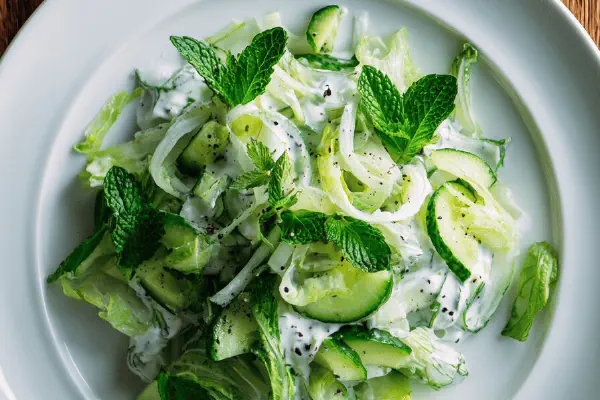
Whipped Cream Garden Salad
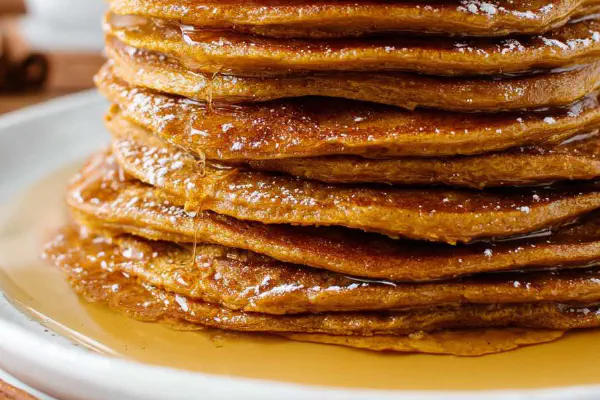
Pumpkin Spice Pancakes Twist
Quail Eggs Tarragon Mayo
Twisted Washington Balls

Wild Rice Black Bean Salad

Rhubarb Hibiscus Cooler
Molasses Banana Cookies
Strawberry Shortcake Cookies
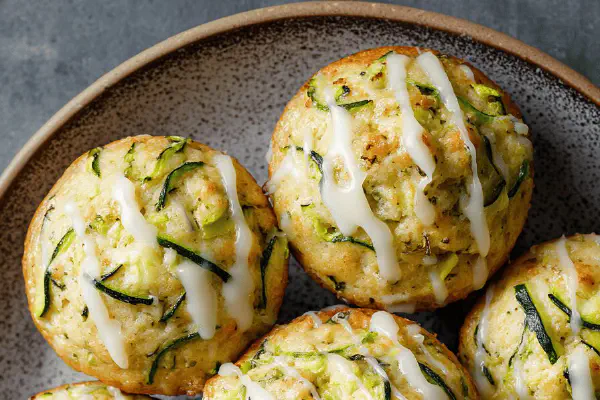
Zucchini Lime Muffins

Citrus Vermouth Fizz
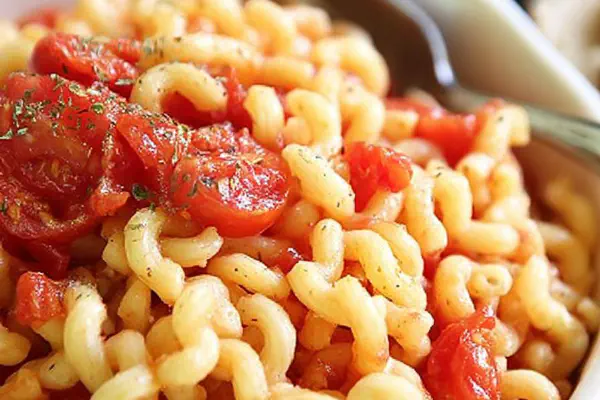
Macaroni Tomatoes Twist
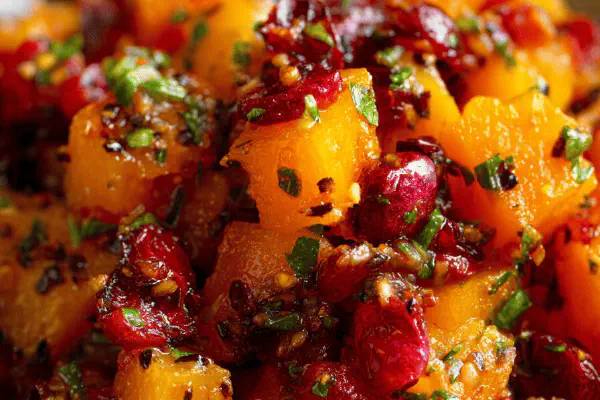
Persimmon Ginger Chutney
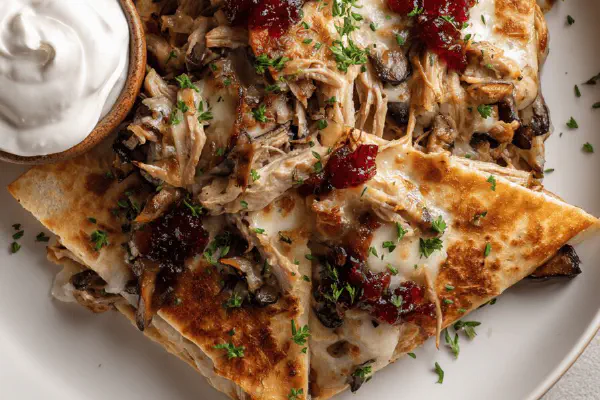
Turkey Quesadillas Remix