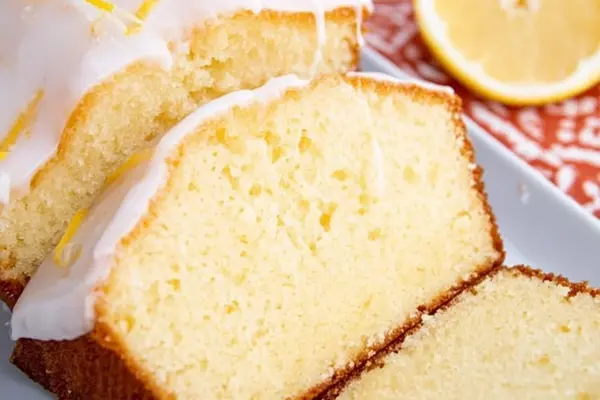
Zesty Yogurt Citrus Cake
E
By Emma
Certified Culinary Professional
•
Recipe tested & approved
A lemon yogurt loaf with tweaks to balance tang and texture. Sour cream swapped for crème fraîche adds creaminess without heaviness. Flour mix shifted by 5 percent for lighter crumb. Oil replaced with melted butter—better flavor. Glaze uses warmed apricot jam with honey instead of marmalade for a subtler finish. Baking set to 340 degrees Fahrenheit; watch for golden crust and audible crackles. Cake should spring back under gentle press. Use toothpick at 58-70 minutes, foil tent if peak browns too fast. Cool before slicing to avoid crumble. Tips for batter lumps, substitutions, and glaze thickness included. A confident spin on the pound concept—dense yet tender, with real zing and a slick glaze made for slicing thick or thin.
Prep:
20 min
Cook:
1h 10min
Total:
1h 30min
Servings:
8 servings
#baking
#lemon desserts
#citrus cake
#yogurt recipes
#glaze tips
#moist cakes
#butter substitution
Before You Start
Always hunted for a dense but moist citrus loaf that doesn’t turn brittle or overly dry. Swapped sour cream for crème fraîche after too many fallen attempts—it tightens crumb while maintaining richness without heaviness. The buttery oil substitution adds a toasty note nobody warns you about. Once the lemon zest hits, baking smells shift from sweet to tangy, an unmistakable signal the cake’s nearing life. Doing away with marmalade for apricot jam softened the glaze’s bitterness, touched with honey to round it nicely. Lumpy batter? Part of the charm, keeps crumb interesting, nice pockets rather than uniform fluff. And batter’s sticky, thick, insists on gentle handling. Oven temps matter—lowering to 340 lets sugars caramelize slower, avoiding burnt edges, while inside sets with spring instead of dry cracks. A loaf with character, forgiving of small missteps but rewards knowing when to pull from heat.
Ingredients
- 2 1/4 cups all-purpose flour
- 1 1/8 teaspoons baking powder
- 1/4 teaspoon kosher salt
- 1 cup plain yogurt, whole milk preferred
- 1/2 cup crème fraîche (sub for sour cream)
- 1 cup granulated sugar
- 3 large eggs
- Zest of 2 medium lemons, finely grated
- 1 teaspoon pure vanilla extract
- 1 teaspoon lemon extract (optional, for punch)
- 1/2 cup unsalted butter, melted and cooled (instead of oil)
- 1/3 cup apricot jam, warmed
- 1 tablespoon honey
- Powdered sugar to taste for glaze consistency
- Splash of milk or water as needed
In The Same Category · Desserts
Explore all →
Salted Caramel Pound Cake
Apple Pecan Dump Cake
Maple Butter Cake
Plum Cherry Shortcakes Reimagined
Cool Whip Chocolate Candy

Pumpkin Snickerdoodles Twist
Zesty Crumble Bars
Tart Lime Cranberry Bars
Maple Cream Cheese Frosting Twist
Chocolate Pine Tree Cake
Easy Spiced Apple Crumble
Almond Paste Pear Cake
Boston Cream Cupcakes
Pineapple Coconut Bars
Salted Dulce Bars

Peach White Chocolate Risotto
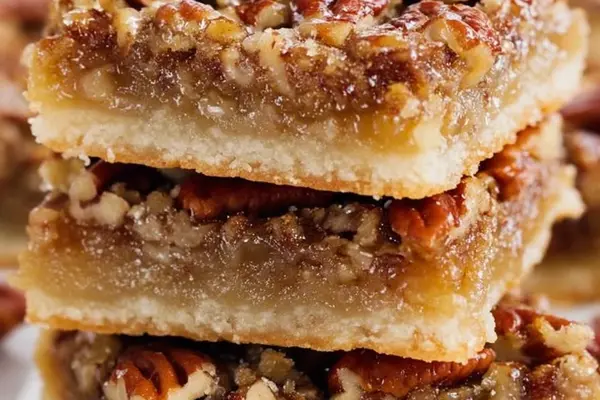
Twisted Pecan Pie Bars
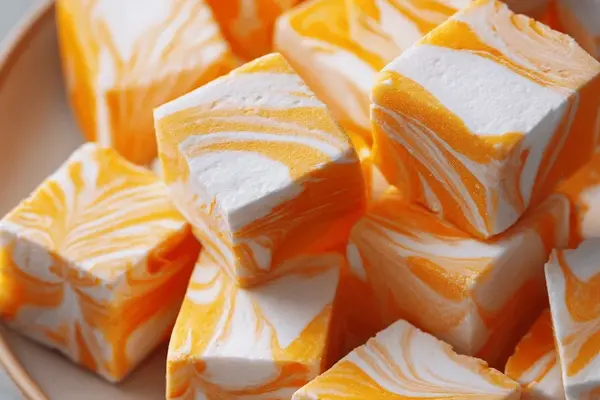
Vanilla Orange Marble Marshmallow
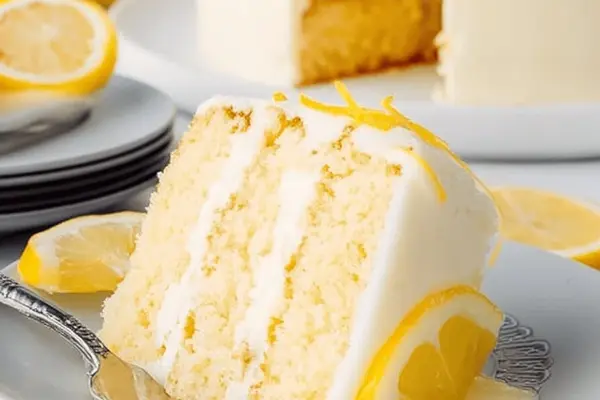
Lemon Velvet Cake Remix
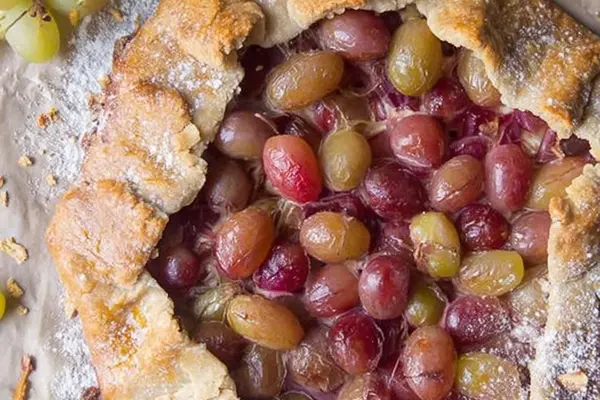
Rustic Grape Galette
About the ingredients
Flour mix adjusted 5 percent to lighten crumb just enough without sacrificing structure; no one wants flat slab. Crème fraîche swaps out sour cream, same tang but silkier texture and easier to spread in batter. Melted unsalted butter replaces neutral oils for richness and depth—don’t use salted unless you cut salt elsewhere. Lemon zest and extract deliver layers of citrus fragrance; skip extract if fresh zest is bright and abundant. Apricot jam stands in for marmalade, less bitter, friendlier glaze base with honey smoothing edges. To loosen glaze, milk or water splashes save thick foul-ups from too much powdered sugar. Use fine powdered sugar for smooth finish—coarser sugar grinds won’t dissolve well. Baking spray with flour or butter plus flour combo best for sticking prevention; cooking sprays sometimes fail with dense yogurt batter.
Method
- Preheat oven to 340F. Butter and lightly flour a 9x5 inch bread pan or coat with baking spray. A pan on baking sheet is lifesaver for spills.
- Whisk flour, baking powder and salt in a bowl. Set aside. Dry mix is key for even lift; no shortcuts.
- In stand mixer bowl or large mixing bowl with paddle/hand mixer, cream together yogurt, crème fraîche, sugar and eggs—beat about 1 minute till pale and slightly fluffy. If too cold, batter resists. Room temp ingredients help.
- Add lemon zest, vanilla, lemon extract. Beat just to combine. Then gently drizzle melted butter while mixing slowly. Fat coats proteins, tenderizing crumb.
- Gradually fold in flour mixture. Batter might look uneven or lumpy—that's normal from yogurt lumps. Resist overmixing or cake turns tough.
- Pour into prepared pan, smooth top with a spatula. Batter should fill most of pan but not overflow.
- Bake on middle rack around 58-70 minutes. First signs: crackling crust, golden brown top. Press lightly—if springs back, nearly done. Use toothpick test in thickest center. If it comes out sticky, more bake needed.
- If top threatens to burn before interior is set, tent with foil loosely. Keeps moist without messing with oven heat much.
- Cool cake 10-15 minutes in pan. Cake will shrink slightly from sides; loosen edges with a knife if stubborn. Tap pan bottom gently to release.
- For glaze: warm apricot jam in small saucepan over low heat. Stir in honey. Off heat, whisk in powdered sugar gradually till glaze thickens but pours easily. Add splash milk/water if too thick. Too thin? More sugar. Test drip on parchment before glazing.
- Glaze evenly over cooled cake. Set glaze before slicing for cleaner cuts—can chill a bit but room temp slices better.
- Serve at room temp or slightly chilled. Dense crumb with pops of citrus. Keeps several days wrapped tightly or frozen slices well.
Cooking tips
Temperature control over rigid timing crucial. Cakes continue gently cooking out of oven—cool partially before attempting removal or slicing reduces cracking or sogginess. Whisk dry ingredients separately to avoid clumps and uneven rise. Creaming yogurt, crème fraîche, sugar and eggs fosters air pockets; don’t rush or skip steps here or pudding-like cake. Adding melted butter last ensures fat integrates without curdling or layering. Batter lumps common, don’t overbeat or become gluey tough. Tent foil if top colors too fast, crucial to avoid burnt edges before cake bakes through. Toothpick test still reliable; insert into thick center, sticky crumb means more bake needed. Glaze must be slightly warm to pour but not hot or it seeps through crumb, making cake soggy. Whisk powder sugar gradually to avoid clumps—thin with milk drop by drop, patience essential. Slice after glaze sets — a critical finish step for presentable wedges with neat edges.
Chef's notes
- 💡 Batter not smooth? Expect lumps from yogurt, no overmixing or paste texture. Fold flour lightly or cake gets tough—gentle stretches. Melted butter drizzled slow coats proteins better; don’t rush or curdle. Room temp eggs, dairy needed—cold batter resists rise, denser crumb. Use paddle or hand mixer, 1 min creaming enough; more aeration makes cake spongey, not dense pound style.
- 💡 Oven temps tricky, 340F slows sugar caramelization, avoids burned edges that kill moisture. Middle rack best for even heat around pan. Crackle sounds early, golden top—watch close 58-70 min mark. Press softly on top; springs back means near done. Toothpick test rules: sticky means more baking; dry crumbs too long, dry cake—balance key here. If brown too fast, foil tent but loose, no heat trap.
- 💡 Glaze thickness critical. Warm apricot jam first; honey thins bitterness. Off heat, whisk in powdered sugar slowly—too fast, clumps form. Splash milk or water drop by drop to get pourable but not runny consistency. Test drip on parchment to avoid soggy top. Glaze applied cold cake; sets cleaner edges. Chill glaze if needed to get crisp slice surface; room temp slices easier to handle.
- 💡 Pan prep is lifesaver. Butter and lightly flour or combo with nonstick spray. Avoid pure spray on dense batter or sticking happens. Use 9x5 bread pan or similar for shape—too big spreads thin, cooks uneven. Tap pan gently after pouring to release air bubbles. Cake shrinks as cools, loosen edges before removal to avoid tearing. Don’t slab out hot; wait 10-15 mins minimum in pan.
- 💡 Substitutions tweaks. Swap sour cream for crème fraîche tightens crumb, silkier texture. Melted unsalted butter beats neutral oil for depth and aroma; salted butter adds salt, reduce salt in dry mix. Skip lemon extract if zest bright and fresh to avoid bitter notes. Powdered sugar must be fine; coarse sugar ruins glaze smoothness. Flour shifted 5% for lighter crumb; bigger shifts flatten structure.
Common questions
Batter too lumpy, is it bad?
Lumps from yogurt okay, no smooth batter here. Overmixing kills crumb texture, makes cake tough or gummy. Fold flour carefully. Expect some unevenness; it’s part of crumb character.
Cake browned too fast, what now?
Tent with foil loose, no wrap tight or steam traps moisture. Pull sooner if smell burnt. Lower oven temp if consistently dark edges. Rotate pan mid-bake for even heat if needed.
How stored best?
Wrap tight at room temp for 2-3 days. Refrigerate longer but loses some texture. Freeze slices individually, thaw at room temp. Re-glaze if glaze dulls after refrigeration.
Why use crème fraîche instead sour cream?
Crème fraîche gives silkier texture, less heaviness. Holds better during baking; sour cream can break down crumb. Both tangy but crème fraîche smoother mouthfeel.
You’ll Love These Too
Explore all →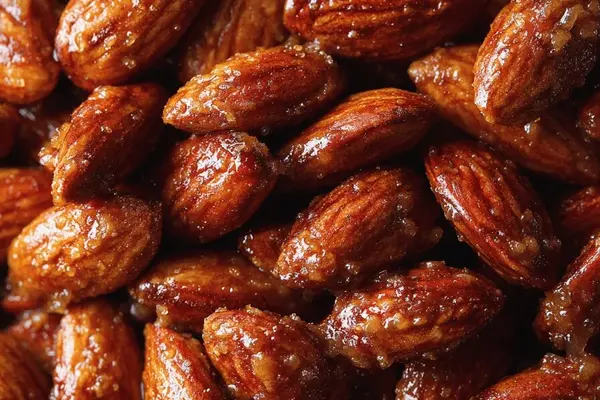
Spiced Caramel Almonds

Sunny Eggs Skillet
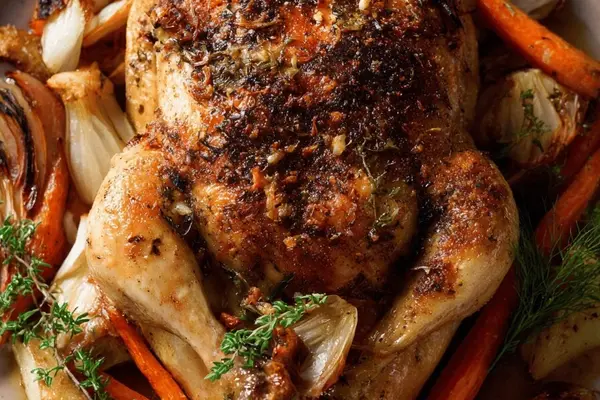
White Wine Thyme Roast Chicken
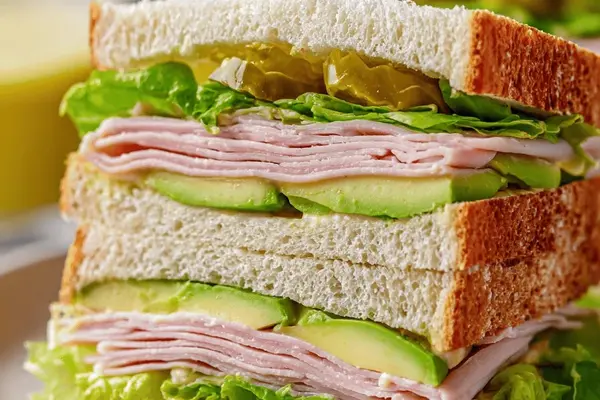
Turkey Avocado Sammies
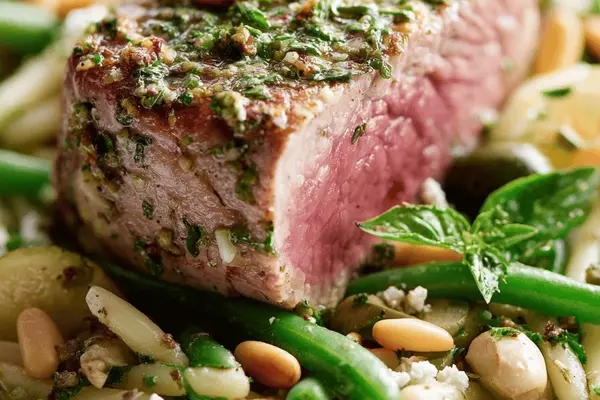
Herbed Pork Filet Creamy Pasta Salad
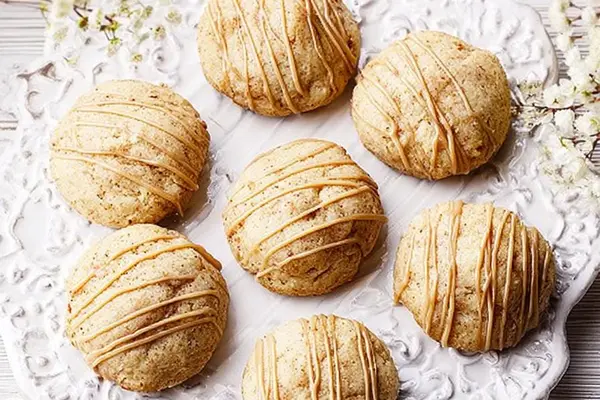
Spiced Applesauce Cookies

Cauliflower Couscous Twist

Spiced Chicken Tacos Twist
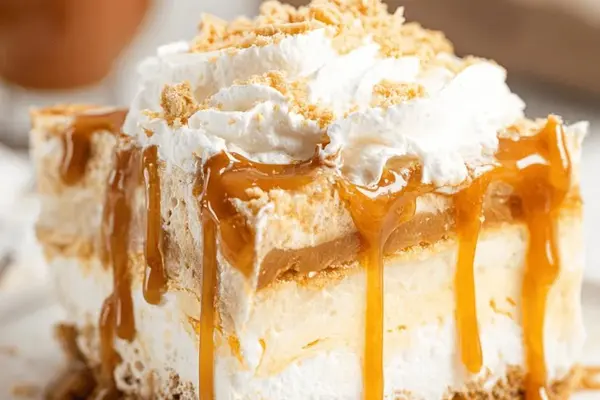
Twisted Butterscotch Delight
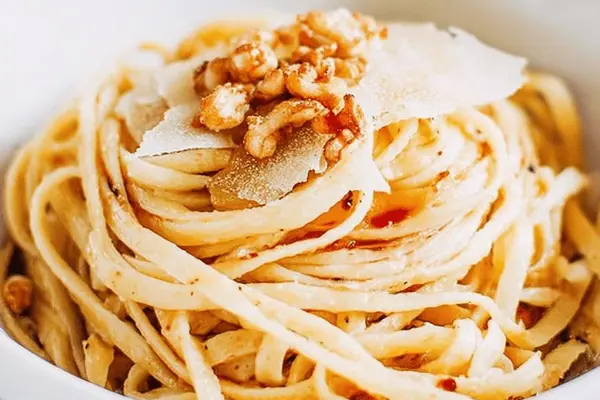
Pancake Spaghetti Remix

Hearty Brown Chicken Gravy
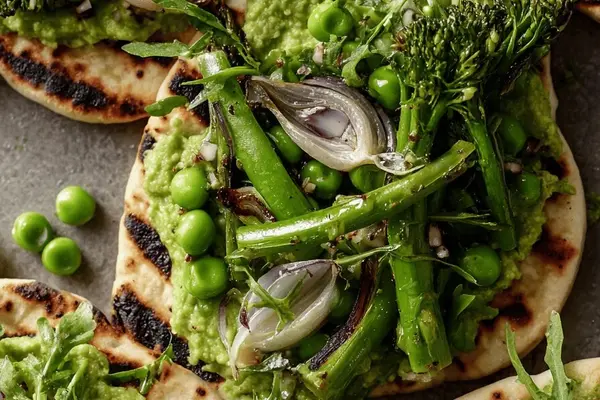
Grilled Pitas with Green Veggies
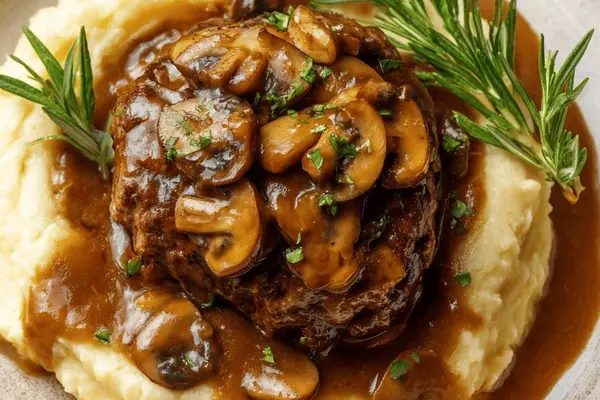
Smashed Beef Patties with Mushrooms
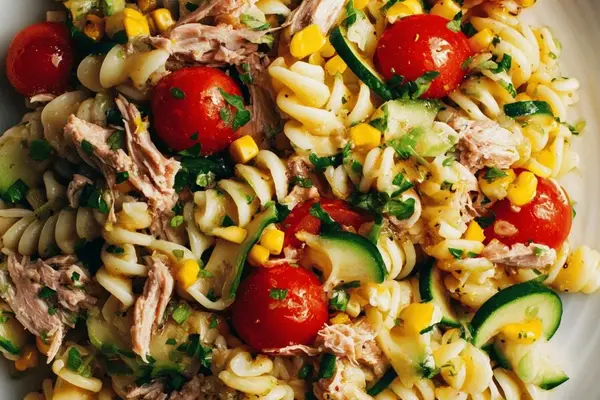
Tuna Pasta Salad Remix
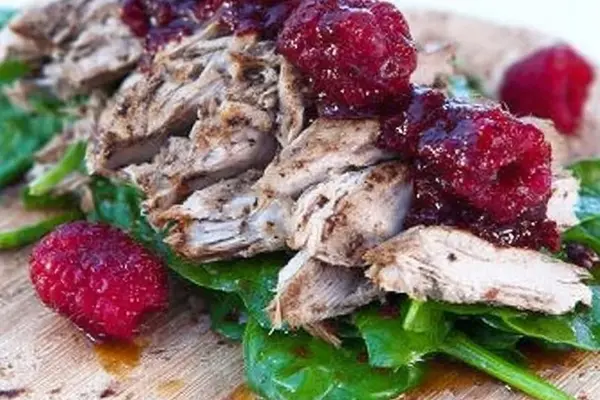
Slow Cook Chianti Pork
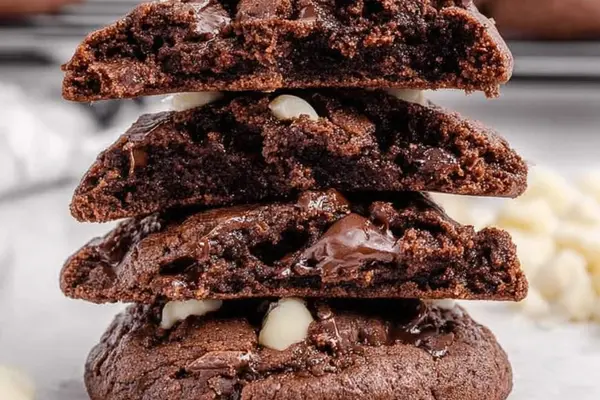
Triple Chocolate Cookies

Smoky Kraut Soup

Coconut Macarons Vegan

Mirror-Glazed Cookies

Pepperoni Mozzarella Panini